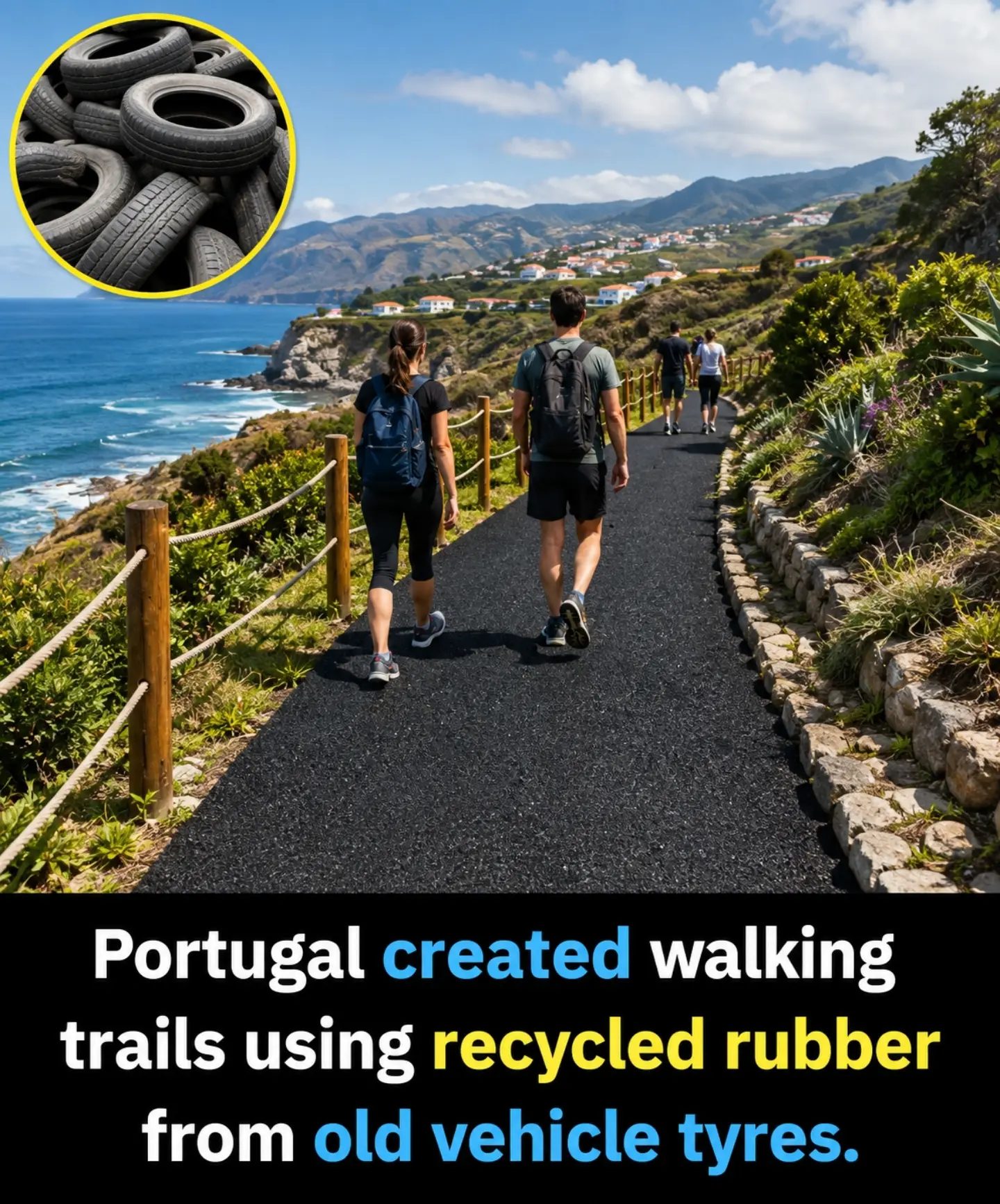
Recycled Rubber Walking Trails in Portugal
Portugal's initiative to create walking trails using recycled rubber stands as a testament to innovative environmental practices. The country has transformed old vehicle tires into durable, eco-friendly paths, particularly in its scenic coastal areas. This initiative not only addresses waste management but also enhances outdoor recreation.
Why this matters
In a world where waste management is becoming increasingly critical, Portugal's approach to recycling vehicle tires offers a practical solution. By repurposing old tires into walking trails, the country reduces waste sent to landfills and creates sustainable infrastructure for outdoor activities. This initiative showcases how environmental sustainability can coexist with functional development, inspiring similar projects globally.
Main discussion
Environmental benefits
The use of recycled rubber for walking trails significantly reduces the environmental impact of tire disposal. Tires are notoriously difficult to decompose and take centuries to break down in landfills. By repurposing them into trails, Portugal mitigates environmental pollution and conserves natural resources.
Durability and maintenance
Recycled rubber trails are incredibly durable. They withstand harsh weather conditions and heavy foot traffic, making them an excellent choice for public trails. These trails require less maintenance compared to traditional asphalt or concrete paths, reducing long-term costs and environmental impact.
Community engagement
These trails enhance community spaces by providing safe, well-maintained paths for walking, jogging, and cycling. This initiative encourages an active lifestyle among residents and tourists, promoting health and wellness. Additionally, the scenic beauty of the trails attracts visitors, contributing to local tourism and economic growth.
Practical tips
1. Assess community needs
Before embarking on a similar project, assess the needs and preferences of your community. Identify areas that lack recreational spaces and determine where walking trails would be most beneficial.
2. Partner with local waste management
Collaborate with local waste management facilities to source old tires. This partnership can streamline the collection and preparation process, ensuring a steady supply of materials for your trail project.
3. Engage local businesses
Engage local businesses to support the project. They can provide resources, sponsorships, or volunteer labor, making the initiative more feasible and community-driven.
4. Promote eco-friendly practices
Promote the environmental benefits of using recycled rubber to raise awareness and garner support. Host workshops or informational sessions to educate the public on the ecological advantages and the importance of recycling.
5. Plan and execute
Carefully plan the design and execution of the trails. Consider factors like terrain, accessibility, and safety. Engage professionals to ensure the trails are well-built and compliant with local regulations.
Important takeaways
- Recycled rubber walking trails are a sustainable and durable solution for public spaces.
- The process reduces waste and environmental pollution while promoting health and wellness.
- Community engagement and partnerships with local waste management contribute to the success of the project.
- Efficient planning and execution are critical for long-term sustainability and durability.
Conclusion
Portugal's initiative of creating walking trails from recycled rubber showcases a sustainable approach to waste management and public infrastructure. By transforming old tires into functional and beautiful trails, Portugal offers a model that other communities can replicate. This approach not only addresses environmental concerns but also enhances community spaces and encourages active lifestyles, making it a holistic solution for modern urban planning.
Watch the Reel
Questions readers ask
How are old vehicle tires converted into walking trails in Portugal?
The process involves shredding the tires and then mixing the rubber with a binding agent to create a durable, eco-friendly material. This material is then used to construct walking trails, providing a stable surface for outdoor activities while reducing waste.
What are the benefits of these eco-friendly trails for local communities?
These trails enhance outdoor recreation by providing safe and scenic routes for walking and hiking. They also contribute to waste reduction and promote environmental awareness within local communities, fostering a sense of pride in sustainable initiatives.
Where can these rubber walking trails be found in Portugal?
The trails are particularly prominent along Portugal's scenic coastlines, where they offer breathtaking views and easy access to natural beauty. However, similar initiatives can be found in various regions across the country, highlighting a nationwide commitment to sustainability.
How does Portugal's rubber trail initiative contribute to waste management?
By repurposing old vehicle tires, Portugal reduces the number of tires sent to landfills. This not only helps in managing waste but also decreases the environmental impact of discarded tires, which can be harmful to ecosystems if not properly disposed of.
What makes these recycled rubber paths durable and long-lasting?
The recycled rubber used in these trails is mixed with a binding agent that enhances its durability. This mixture creates a robust surface that can withstand various weather conditions and heavy foot traffic, ensuring the trails remain in good condition for years.
Related deep dives
Similar reads based on topic and creator.




Recent articles
Fresh deep dives from the latest Reels we unpacked.




Comments
Be the first to comment.