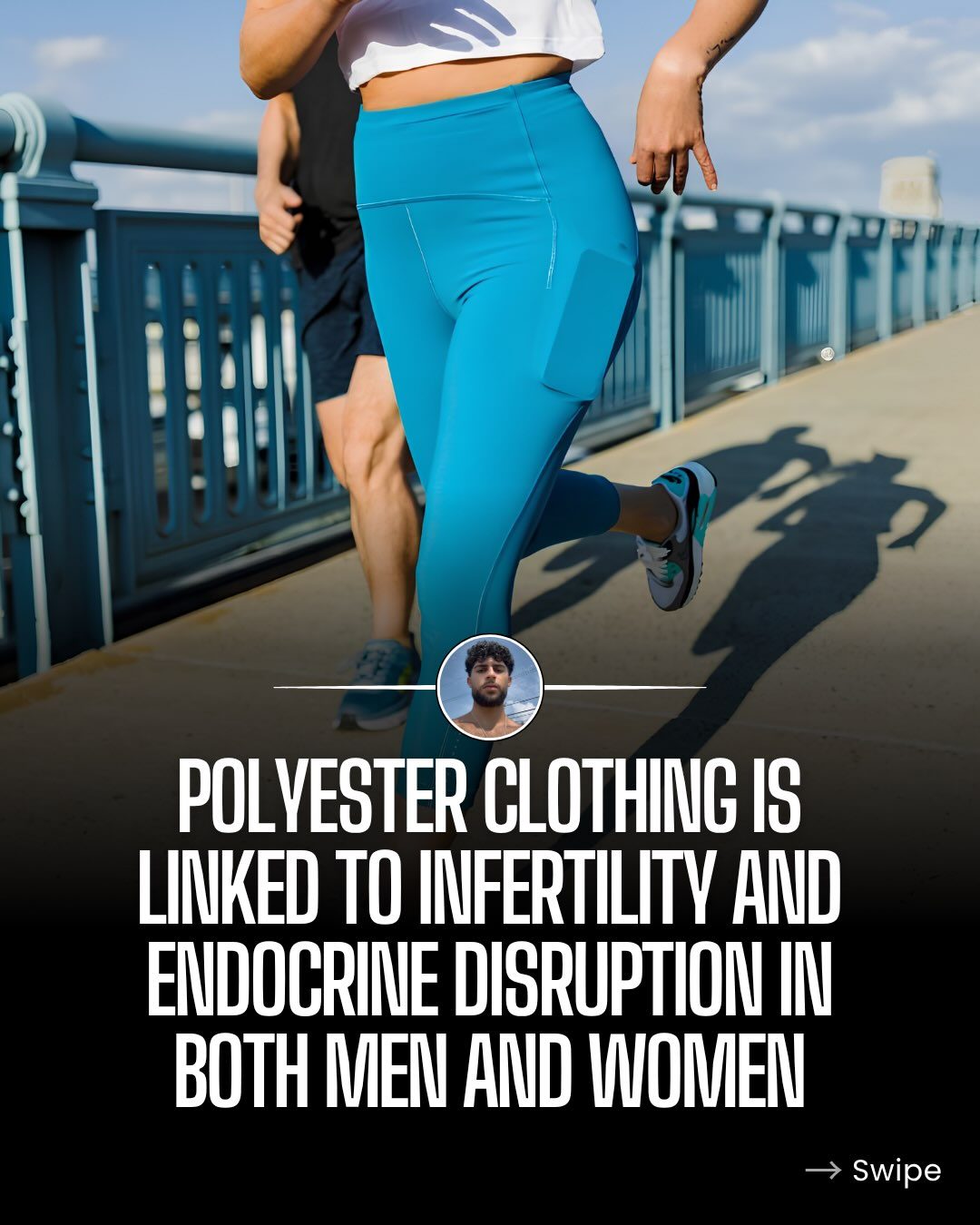
Polyester Clothing Concerns
Polyester clothing is a staple in many wardrobes, valued for its durability, wrinkle resistance, and affordability. However, there are growing concerns about the potential health and environmental impacts of this synthetic fabric. Understanding these issues can help consumers make more informed choices about their clothing.
Why This Matters
Polyester is a petroleum-based plastic, which means it is derived from non-renewable resources. Additionally, the manufacturing process can involve various chemicals that may have adverse effects on both human health and the environment. As awareness of these concerns grows, it is essential to examine the evidence and consider the implications for those who wear polyester clothing regularly.
Main Discussion
What is Polyester?
Polyester is a type of synthetic fiber made from petrochemicals. It is a popular choice for clothing due to its strength, quick-drying properties, and resistance to wrinkles. However, polyester is not biodegradable, which raises significant environmental concerns.
Chemical Exposure
One of the primary concerns with polyester clothing is the potential for chemical exposure. Polyester can contain or absorb manufacturing residues and treatments such as phthalates, BPA, dyes, and PFAS, which can be used for water resistance. These chemicals are known endocrine disruptors, which means they can interfere with the body's hormonal systems. Studies have shown that these chemicals can leach out through sweat, heat, and friction, potentially affecting those who wear polyester clothing.
Heat and Fertility
Synthetic fabrics like polyester can trap heat and raise local temperatures, which can temporarily impair sperm production in men. This phenomenon is attributed to the fabric's ability to trap heat and create electrostatic charges. Older studies conducted by Dr. Ahmed Shafik in the 1990s observed temporary, reversible infertility in male models and animals wearing polyester-heavy garments. This research highlights the potential impact of polyester on fertility, although more recent studies are needed to confirm these findings.
Environmental Impact
In addition to health concerns, polyester clothing has significant environmental implications. Polyester is a petroleum-based plastic, and its production and disposal contribute to environmental pollution. The manufacturing process for polyester involves the use of non-renewable resources and can release harmful chemicals into the environment.
Polyester clothing also sheds microplastics during washing, contributing to the growing problem of plastic pollution in oceans and waterways. These microplastics can harm marine life and enter the food chain, potentially affecting human health.
Studies on Animals
Studies on dogs in the 1990s and 2000s showed decreased sperm counts or lower progesterone levels from continuous polyester wear. Although these studies were conducted on animals, they provide insight into the potential effects of polyester on fertility in both men and women. It is important to note that fertility typically returned to normal after removing the garments, suggesting that the effects may be reversible.
Endocrine Disruption
Endocrine disruptors are chemicals that can interfere with the body's hormonal systems, potentially leading to reproductive and developmental issues. Polyester clothing can contain or absorb endocrine disruptors, which can leach out through sweat, heat, and friction. This raises concerns about the potential impact of polyester on human health, particularly for those who wear synthetic fabrics regularly.
Practical Tips
If you are concerned about the potential health and environmental impacts of polyester clothing, there are several steps you can take to mitigate these risks:
Choose Natural Fibers
Opt for clothing made from natural fibers such as cotton, wool, and linen. These materials are biodegradable and less likely to contain harmful chemicals. Natural fibers also allow the skin to breathe, reducing the risk of heat and friction-related issues.
Wash Synthetic Fabrics Less
Washing synthetic fabrics less frequently can reduce the amount of microplastics that enter the environment. When washing polyester clothing, use a garment bag to capture any microplastics that may shed during the washing process.
Use Gentle Detergents
Choose gentle detergents that are free from harsh chemicals. This can help reduce the amount of chemicals that leach out during washing and protect waterways from harmful pollutants.
Avoid Synthetic Fiber Pilling
Polyester is prone to pilling, which is caused by friction. Regularly removing pills with a fabric shaver or pilling comb can help keep your clothing looking good and reduce the risk of skin irritation.
Important Takeaways
Polyester clothing raises significant concerns about chemical exposure, heat and friction, and environmental impact. By understanding these issues and taking practical steps to mitigate them, consumers can make more informed choices about their clothing.
Conclusion
Polyester clothing is a popular choice for its durability and affordability, but it comes with potential health and environmental drawbacks. By choosing natural fibers, washing synthetic fabrics less frequently, and using gentle detergents, consumers can reduce their exposure to harmful chemicals and minimize the environmental impact of polyester clothing.
Watch the Reel
Questions readers ask
What are the primary health concerns associated with wearing polyester clothing?
Polyester clothing may pose several health risks. The fabric can trap heat, leading to discomfort and potential overheating. Additionally, polyester can leach chemicals like phthalates, which are known endocrine disruptors, potentially impacting hormonal balance and reproductive health, including issues like infertility and sperm health.
How does polyester clothing impact the environment?
Polyester is derived from non-renewable petrochemicals, contributing to environmental degradation. The production process involves significant energy use and emissions. Furthermore, polyester sheds microplastics during washing, which pollute waterways and oceans, posing threats to marine life and ecosystems.
What are polyester microplastics and why are they a concern?
Polyester microplastics are tiny plastic particles that shed from polyester fabrics during washing and general use. These microplastics enter water systems and are ingested by marine life, causing harm to aquatic ecosystems and potentially entering the human food chain. This environmental concern highlights the broader impacts of polyester clothing beyond immediate wearer health.
Can wearing polyester clothing affect fertility?
Yes, wearing polyester clothing can potentially impact fertility, especially among men. Chemicals like phthalates found in polyester can disrupt endocrine functions, leading to issues with sperm health and infertility. Long-term exposure to these chemicals may have cumulative effects on reproductive health.
What are some sustainable alternatives to polyester clothing?
For those looking to reduce their environmental footprint and potential health risks, sustainable alternatives to polyester include natural fabrics like organic cotton, linen, and wool. These materials are often biodegradable, require less energy to produce, and do not shed microplastics. Additionally, choosing second-hand or recycled clothing can help reduce textile waste.
How does polyester clothing's heat retention affect wearers?
Polyester clothing is known for its heat retention properties, which can be beneficial in cold weather but problematic in warm temperatures. Trapping heat can lead to discomfort, excessive sweating, and potential overheating, especially during physical activity or in hot environments. This can impact overall comfort and may pose health risks for some individuals.
Related deep dives
Similar reads based on topic and creator.




Recent articles
Fresh deep dives from the latest Reels we unpacked.




Comments
Be the first to comment.