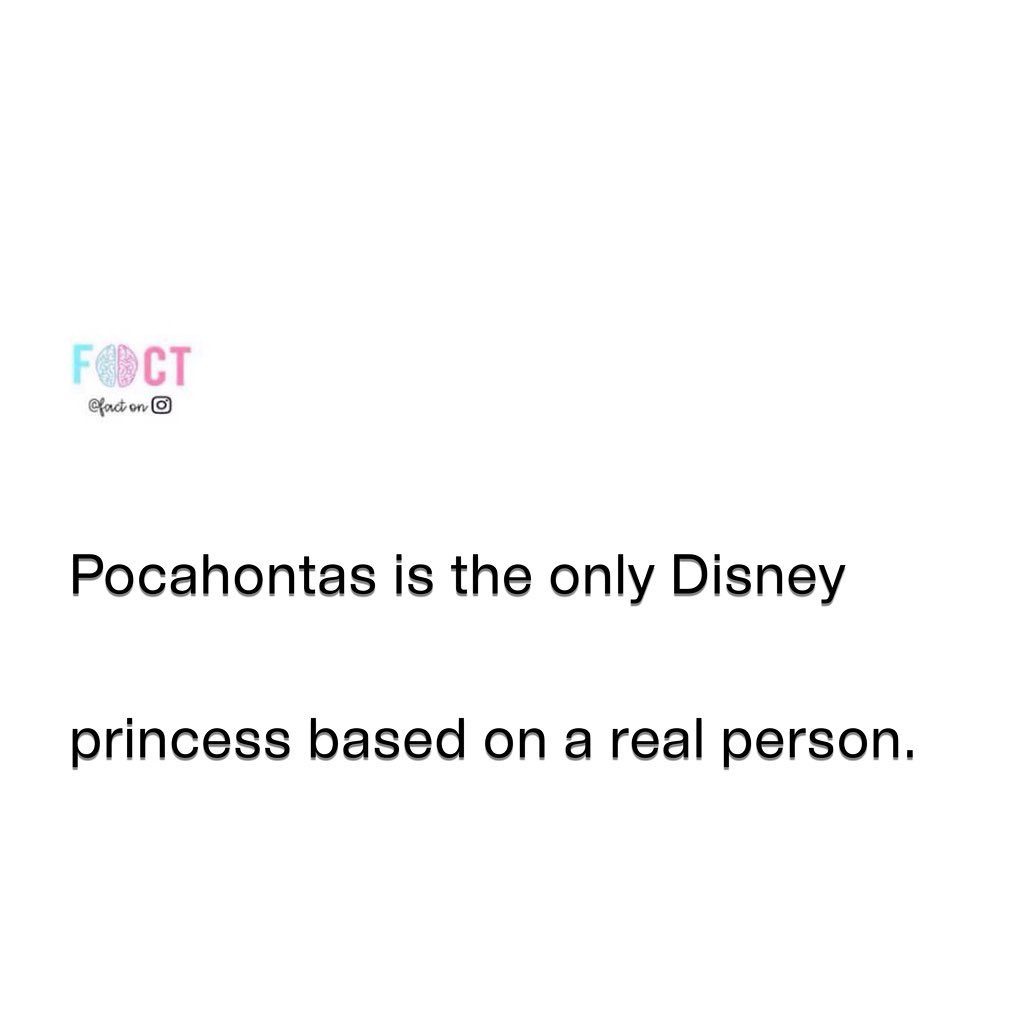
Pocahontas: The Only Disney Princess Based on a Real Historical Figure
The beloved Disney character Pocahontas stands out among the animated princesses for a unique reason: she is the only one based on a real person. This fascinating fact sparks curiosity about the historical figure behind the iconic character and her connection to the story portrayed in the Disney film. Whether you're a Disney fan or a history enthusiast, understanding the real-life Pocahontas offers a deeper appreciation for the character's rich background.
Why This Matters
The story of Pocahontas has captivated audiences since the release of the Disney film in 1995. However, the distinction of being the only Disney princess based on a real historical figure underscores the significance of her narrative. Exploring the true story of Pocahontas provides a deeper understanding of the cultural and historical context that influenced the creation of the animated character. This connection helps bridge the gap between historical fact and fictional storytelling, offering a richer experience for viewers of all ages.
Main Discussion
The Real Pocahontas
Pocahontas, whose real name was Matoaka, was a Native American woman born around 1596 in present-day Virginia. She was the daughter of Chief Powhatan, the paramount chief of the Powhatan Confederacy, which comprised several Algonquian-speaking tribes. Pocahontas is renowned for her role in the early colonial history of Virginia, particularly her interactions with English settlers.
Pocahontas and the English Settlers
The most famous account of Pocahontas involves her interaction with John Smith, an English colonist. According to Smith's accounts, Pocahontas saved his life by placing her head on his chest during a ritual execution ceremony. However, historians have debated the accuracy of this event, suggesting that it may have been a misinterpretation or exaggeration of a ritual adoption ceremony.
The Disney Version
In the Disney film, Pocahontas is portrayed as a brave and independent young woman who falls in love with John Smith. The movie takes creative liberties with historical events, focusing on themes of love, friendship, and cultural understanding. While the film is not a historically accurate portrayal, it does highlight the cultural exchange and the challenges faced by both Native Americans and European settlers.
Influences and Legacy
The real-life Pocahontas was influenced by the cultural exchange and conflict between Native Americans and European settlers. Her marriage to John Rolfe, an English tobacco farmer, and her eventual trip to England as a symbol of peace and friendship have become iconic moments in American history. Her legacy continues to inspire discussions about cultural understanding, historical accuracy, and the complexities of colonial interactions.
Practical Tips
When exploring the story of Pocahontas, both the historical and the Disney versions, there are a few practical tips to keep in mind:
Read Historical Accounts
Dive into primary sources and historical accounts to gain a deeper understanding of the real Pocahontas. Books like "Pocahontas and the Powhatan Dilemma" by Camille Owens offer in-depth insights into her life and the historical context.
Watch the Disney Film
The Disney film "Pocahontas" provides a fascinating, albeit fictionalized, portrayal of the character. Watching the movie can be enjoyable and inspiring, but it's essential to distinguish between the historical facts and the creative storytelling.
Visit Historical Sites
For a more immersive experience, visit historical sites related to Pocahontas. The Historic Jamestowne and the Jamestown Settlement in Virginia offer a glimpse into the life of early settlers and the Native Americans they encountered.
Engage in Cultural Discussions
Participate in discussions about the cultural and historical significance of Pocahontas. Engaging in dialogue with scholars, historians, and fellow enthusiasts can enrich your understanding and appreciation of her story.
Important Takeaways
The story of Pocahontas is a unique blend of historical fact and fictional storytelling. Recognizing that she is the only Disney princess based on a real person adds depth to her character and highlights the importance of cultural understanding. By exploring both the historical and the Disney versions, you can gain a richer appreciation for the complexities of her narrative and the challenges faced by early settlers and Native Americans.
Conclusion
Pocahontas, the only Disney princess based on a real historical figure, offers a rich and intriguing narrative that spans both history and fiction. Whether you're a Disney fan or a history enthusiast, understanding the real-life Pocahontas and her connections to the animated character provides a deeper appreciation for the cultural and historical context that shaped her story. Explore the historical accounts, watch the Disney film, visit historical sites, and engage in discussions to fully appreciate the legacy of Pocahontas and her enduring impact on our cultural heritage.
Watch the Reel
Questions readers ask
Was there a real Pocahontas, and if so, what was her real name?
Yes, there was a real Pocahontas. Her real name was Matoaka, and she was given the nickname Pocahontas by her father, Powhatan. Born around 1596, she was the daughter of the paramount chief of the Powhatan Confederacy, which was located in present-day Virginia.
How accurate is the Disney portrayal of Pocahontas?
The Disney portrayal of Pocahontas is largely fictionalized. While the real Pocahontas did interact with English colonists, including John Smith, the details of their relationship and the events depicted in the film are not historically accurate. For instance, the Disney film romanticizes the relationship between Pocahontas and John Smith, and Pocahontas did not rescue John Smith from execution.
What was Pocahontas' role in her tribe?
In her tribe, Pocahontas was a respected and valued member. She was known for her kindness and diplomacy, often acting as a mediator between her tribe and the English colonists. Her interactions with the colonists were significant, as she helped to facilitate peaceful relations and cultural exchange during a time of great tension and conflict.
What happened to the real Pocahontas?
In reality, Pocahontas was captured by English colonists in 1613 and held for ransom. During her captivity, she converted to Christianity and took the name Rebecca. She later married an Englishman named John Rolfe, and the couple had a son named Thomas. Pocahontas traveled to England in 1616 and died there of an unknown illness at the age of around 21.
Why is Pocahontas significant in Native American history?
Pocahontas is significant in Native American history as a symbol of cultural exchange and diplomacy. Her interactions with the English colonists and her eventual conversion to Christianity and marriage to an Englishman made her a unique figure in the early colonial period. Her legacy continues to be celebrated by many Native American tribes, but it is important to note that her story is complex and often controversial.
What is the significance of Pocahontas being a Native American princess?
Pocahontas' status as a Native American princess highlights the rich cultural heritage of the indigenous peoples of North America. Her story offers insight into the complex dynamics between Native Americans and early European settlers, as well as the challenges and triumphs of her people during a time of significant change.
What can we learn from the real story of Pocahontas?
The real story of Pocahontas teaches us about the importance of cultural understanding and diplomacy. Her interactions with the English colonists show that, despite cultural differences, it is possible to find common ground and foster peaceful relations. Her story also serves as a reminder of the complexities of history and the importance of critically examining the narratives we are presented.
Related deep dives
Similar reads based on topic and creator.
Recent articles
Fresh deep dives from the latest Reels we unpacked.




Comments
Be the first to comment.