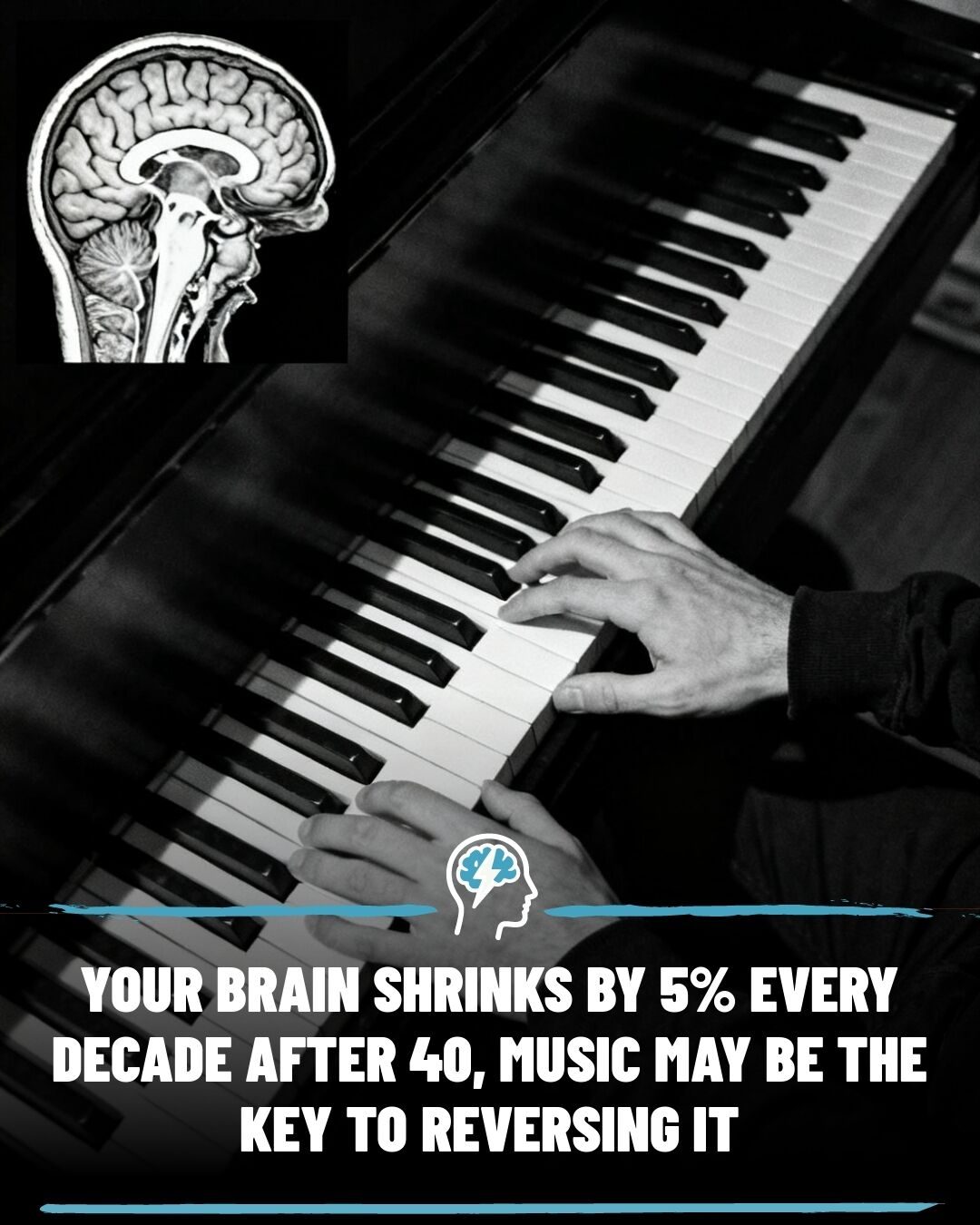
Brain Health and Music
Aging can take a toll on the brain, with natural shrinkage occurring over time. However, emerging research suggests that playing a musical instrument may offer a powerful way to protect and even enhance brain health, particularly as we age. This isn't just about maintaining cognitive function; it's about creating a more resilient and efficient brain.
Why This Matters
Brain health is a critical aspect of overall well-being, and as we age, maintaining cognitive function becomes increasingly important. Natural brain shrinkage that occurs with aging can lead to cognitive decline, impacting memory, attention, and processing speed. But new research indicates that playing a musical instrument can help mitigate these effects, offering a non-pharmacological way to support brain health.
The Science Behind Music and Brain Health
Cognitive Reserve
One of the key mechanisms at play is something called cognitive reserve. Think of it as a neural backup system that your brain can draw on as you age. Musical training builds this reserve through the intensive coordination of hearing, movement, and memory. The complex interplay of these functions during practice creates stronger, more resilient brain networks.
Brain Connectivity
Studies have shown that musicians exhibit more youth-like brain connectivity patterns, even when performing challenging listening tasks. This means their brains work more efficiently, requiring less neural effort to achieve the same results. For instance, a 2023 study found that older musicians had better brain connectivity compared to non-musicians, suggesting that musical training can help maintain cognitive function.
Dementia Risk Reduction
Multiple studies support the idea that playing an instrument can lower the risk of cognitive decline. A meta-analysis found that musicians have a 36% lower risk of developing dementia. This is a significant finding, highlighting the protective effects of musical training on the brain.
Brain Structure and Volume
Research also shows that adults in their 70s who continue to play an instrument show no decline in verbal working memory or brain structure volume over time. Those who stopped playing, however, experienced typical age-related changes. This underscores the importance of consistent practice in maintaining brain health.
Practical Tips for Incorporating Music into Your Life
Start Where You Are
Whether you're a seasoned musician or a complete beginner, the benefits of playing an instrument can be yours. If you have an instrument gathering dust in your living room, consider dusting it off and starting to play again. If you're new to music, consider taking lessons or using online resources to learn a new instrument.
Consistency is Key
The benefits of playing an instrument come from consistent practice. Make it a regular part of your routine, even if it's just a few minutes each day. The key is to keep your brain engaged and active through regular musical practice.
Explore Different Genres
Playing different types of music can challenge your brain in new ways. Explore different genres and styles to keep your practice interesting and engaging. This variety can help maintain your cognitive reserve and keep your brain sharp.
Join a Musical Community
Playing with others can enhance the benefits of musical training. Join a local music group, ensemble, or band. The social interaction and collaboration can add another layer of cognitive stimulation, further supporting your brain health.
Important Takeaways
Protection vs. Repair
It's important to note that while playing an instrument can help protect against cognitive decline, it may not reverse damage that has already occurred. The research suggests that the key is to start early and maintain consistent practice to build and strengthen cognitive reserve.
Individual Results May Vary
The benefits of musical training can vary from person to person. What works for one individual may not have the same effect on another. However, the overall trend in research points to a positive impact on brain health.
Musical Training as a Lifelong Pursuit
Whether you're a child picking up an instrument for the first time or an adult returning to a beloved hobby, the benefits of musical training can be enjoyed at any age. The key is to make it a lifelong pursuit, continuing to challenge and engage your brain through music.
Conclusion
Playing a musical instrument offers a myriad of benefits for brain health, particularly as we age. From building cognitive reserve to improving brain connectivity and reducing the risk of dementia, the evidence is clear: musical training can be a powerful tool for maintaining and enhancing brain function. Whether you're a seasoned musician or just picking up an instrument for the first time, the benefits are within reach. So, go ahead, dust off that old guitar or start learning the piano—the rewards for your brain could be immense.
Watch the Reel
Questions readers ask
How does playing a musical instrument enhance brain health?
Playing a musical instrument engages multiple cognitive functions simultaneously, such as memory, attention, and fine motor skills. This multi-tasking strengthens neural connections and promotes neuroplasticity, making the brain more resilient and better equipped to handle the challenges of aging.
Can learning to play an instrument reduce the risk of dementia?
Research indicates that playing a musical instrument can lower the risk of dementia. This is likely due to the enhanced cognitive reserve and improved brain connectivity that result from regular musical practice, which can help delay or even prevent the onset of dementia.
What are the benefits of playing a musical instrument for older adults, particularly those in their 70s?
For older adults, playing a musical instrument can significantly slow down cognitive decline. It helps maintain and even improve memory, processing speed, and attention. Regular practice can also enhance overall brain health, contributing to a higher quality of life.
How does music help the brain stay resilient against aging effects?
Music engages various regions of the brain, promoting better connectivity between them. This increased connectivity makes the brain more adaptable and resilient, helping it to better withstand the natural shrinkage and cognitive changes that occur with aging.
What specific cognitive functions are improved by playing a musical instrument?
Playing a musical instrument can improve a range of cognitive functions, including memory, attention, processing speed, and executive functions like planning and problem-solving. These improvements contribute to overall better cognitive health and a reduced risk of cognitive decline.
How can musical training impact brain power and resilience?
Musical training can significantly boost brain power by enhancing neural efficiency and connectivity. Regular practice can lead to structural changes in the brain, making it more resilient to the effects of aging and better able to handle complex tasks and challenges.
Related deep dives
Similar reads based on topic and creator.




Recent articles
Fresh deep dives from the latest Reels we unpacked.




Comments
Be the first to comment.