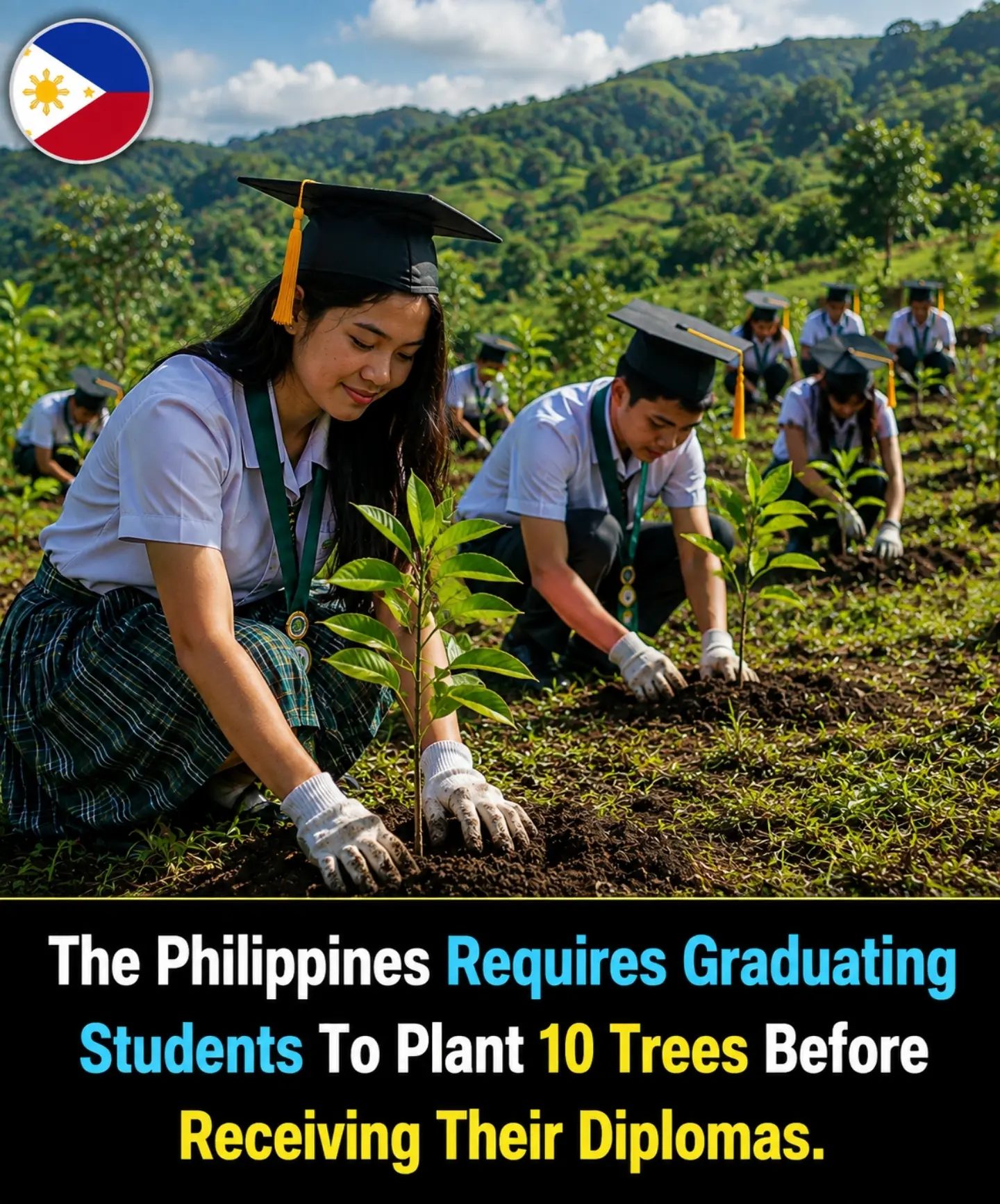
Philippine Graduation Tradition: Planting Trees for a Greener Future
In the Philippines, graduating students are required to plant 10 trees before receiving their diplomas. This unique tradition goes beyond the typical commencement ceremony, emphasizing environmental sustainability and instilling a sense of responsibility in students as they transition into adulthood.
Context
The Philippines' initiative to have graduating students plant trees is part of a broader effort to promote environmental sustainability. By integrating this requirement into the graduation process, the country aims to foster a culture of environmental stewardship among its youth.
Main Discussion
The Graduation Requirement
The Philippines has implemented a policy that mandates graduating students to plant 10 trees as a prerequisite for receiving their diplomas. This requirement is not just a symbolic gesture but a practical step towards reforestation and environmental conservation. Students are encouraged to participate actively in planting seedlings in designated areas, transforming the graduation ceremony into a hands-on environmental initiative.
Environmental Impact
The environmental benefits of this initiative are significant. By planting 10 trees per student, the Philippines can significantly increase its forest cover, which is crucial for mitigating climate change, protecting biodiversity, and ensuring a sustainable future. This policy helps to address deforestation, a pressing issue in many parts of the world, including the Philippines.
Community and Cultural Significance
The tree-planting tradition has deep cultural and community significance. It not only fosters a sense of responsibility among students but also encourages community engagement. Families, teachers, and local communities often participate in these planting activities, creating a collective effort towards environmental conservation. This collaborative approach strengthens community bonds and instills a sense of collective responsibility for the environment.
Practical Tips
If you're looking to implement a similar initiative in your community or educational institution, here are some practical tips:
1. Partner with Local Organizations
Collaborate with local environmental organizations or government agencies that specialize in reforestation. They can provide expertise, resources, and designated planting sites.
2. Engage the Community
Make the tree-planting activity a community event. Invite families, teachers, and local residents to participate. Community engagement can amplify the impact and create a shared sense of responsibility.
3. Provide Resources and Training
Ensure that students have access to high-quality seedlings and the necessary tools for planting. Provide training sessions on proper planting techniques and the importance of tree care to ensure the survival of the seedlings.
4. Monitor and Evaluate
Establish a system to monitor the growth and survival rate of the planted trees. Regular check-ups and evaluations can help identify areas for improvement and ensure the longevity of the reforestation effort.
5. Integrate into Curriculum
Integrate the tree-planting initiative into the educational curriculum. This can include lessons on environmental science, ecology, and sustainable development, making the initiative a holistic learning experience.
Important Takeaways
Planting trees as part of the graduation process in the Philippines is more than just a rite of passage; it’s a practical step towards environmental sustainability. This tradition instills a sense of responsibility and stewardship in students, fostering a culture of environmental awareness. By integrating this initiative into the curriculum and involving the broader community, the Philippines demonstrates a committed effort towards a greener future.
Conclusion
The Philippine tradition of requiring graduating students to plant 10 trees exemplifies a proactive approach to environmental conservation. It highlights the importance of integrating sustainability into everyday practices and community initiatives. By actively participating in reforestation efforts, students and communities alike contribute to a healthier, more sustainable future. This tradition serves as an inspiring model for other communities and educational institutions aiming to promote environmental stewardship.
Watch the Reel
Questions readers ask
Why do graduating students in the Philippines plant trees?
Graduating students in the Philippines plant trees to meet a requirement for receiving their diplomas. This unique tradition aims to instill a sense of environmental responsibility and contribute to the country's reforestation efforts.
How many trees does a graduating student need to plant in the Philippines?
Each graduating student in the Philippines needs to plant 10 trees as part of their graduation requirement. This initiative fosters environmental stewardship and encourages students to take practical action towards sustainability.
What is the significance of the tree-planting ceremony in the Philippines?
The tree-planting ceremony in the Philippines holds significant cultural and environmental importance. It emphasizes the role of young adults in maintaining ecological balance and promoting a culture of sustainability.
How does this tradition contribute to community engagement?
The tradition of planting trees for diplomas in the Philippines encourages community engagement by involving students in local reforestation projects. This hands-on experience fosters a sense of connection and responsibility towards the environment among young adults.
What are the broader goals of the tree-planting tradition in the Philippines?
The tree-planting tradition in the Philippines aims to promote practical environmental action and cultivate a sense of responsibility among young adults. This initiative is part of a broader effort to enhance sustainability and foster a greener future for the nation.
Are there any specific types of trees that students are required to plant?
The specific types of trees that students are required to plant can vary depending on the local reforestation projects and the needs of the environment in their area. This flexibility allows for the planting of trees that are most beneficial to the local ecosystem.
What happens during the graduation tree planting ceremony?
During the graduation tree planting ceremony, students participate in planting trees in designated areas. This ceremony is often integrated into the graduation process, making it a meaningful and memorable part of the commencement experience for students.
Related deep dives
Similar reads based on topic and creator.




Recent articles
Fresh deep dives from the latest Reels we unpacked.




Comments
Be the first to comment.