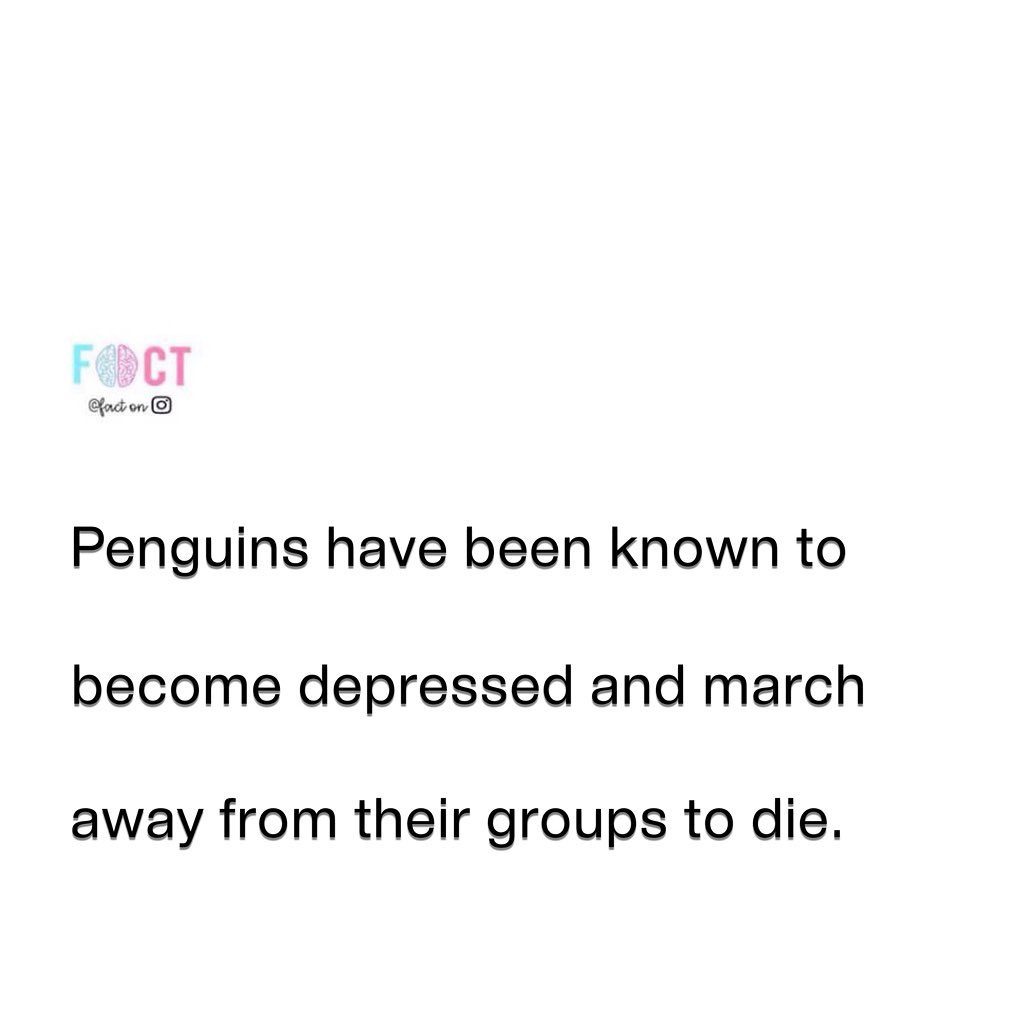
Penguin Depression and Its Impact on Colonies
Penguins, known for their playful and social nature, can also experience serious emotional challenges. One of the most striking behaviors observed in these birds is depression, which can have profound effects on their survival and social dynamics.
Why This Matters
Understanding penguin behavior is crucial for conservation efforts and for gaining insights into the emotional lives of animals. By recognizing the signs of depression in penguins and the impact it has on their colonies, researchers and conservationists can develop better strategies to protect these birds and their habitats.
The Reality of Penguin Depression
Penguin depression is a serious issue that affects not only the individual bird but also the entire colony. Depressed penguins often exhibit unusual behaviors that can lead to isolation and, in severe cases, death. At a glance, this might seem surprising, as these birds are typically known for their social and communal lifestyle. However, depression can cause them to withdraw from their groups, a behavior that can be detrimental to their survival.
Symptoms and Behavior
Depression in penguins is characterized by a range of behaviors that differ from their usual social and active demeanor. These birds may become lethargic, lose interest in foraging, and spend more time alone rather than with their colony. One of the most alarming symptoms is their tendency to march away from their groups, a behavior that can be fatal. This solitary march often leads them to isolated areas where they are more vulnerable to predators and harsh environmental conditions.
Causes of Penguin Depression
The causes of depression in penguins are multifaceted and can include both environmental and social factors. Environmental changes, such as habitat destruction, climate change, and food scarcity, can significantly impact the mental health of these birds. Social factors, including the loss of a mate or changes in colony dynamics, can also contribute to the onset of depression.
Practical Tips for Conservation
Monitoring and Early Intervention
Early detection and intervention are key to mitigating the impact of depression on penguin colonies. Conservationists can monitor penguin behavior through regular observations and technological aids. Drones and remote sensors can help track the movements and behaviors of individual birds, allowing for early identification of depression symptoms. Once identified, intervention strategies can be implemented to support the affected birds.
Habitat Protection
Protecting and restoring penguin habitats is essential for their well-being. Efforts should focus on reducing habitat destruction and preserving the natural environments that penguins rely on. This includes measures to combat climate change, reduce pollution, and prevent overfishing, which can deplete the penguins' food sources.
Social Support and Rehabilitation
Social support and rehabilitation programs can be beneficial for depressed penguins. These programs can involve reintroducing isolated birds back into their colonies and providing them with the necessary social interactions and support to recover. In some cases, specialized care and therapy, such as providing enriched environments and nutritional supplements, can also help alleviate symptoms of depression.
Community Awareness
Raising awareness about the emotional lives of penguins can foster greater support for their conservation. Educating the public about the challenges these birds face and the importance of their emotional well-being can encourage more people to get involved in conservation efforts. Community initiatives, such as beach cleanups and habitat restoration programs, can play a significant role in protecting penguin populations.
Important Takeaways
Penguin depression is a complex issue that requires a multifaceted approach to address. By recognizing the signs of depression in these birds and implementing effective conservation strategies, we can help protect penguin colonies and ensure their long-term survival. Understanding the emotional lives of penguins not only enriches our knowledge of animal behavior but also highlights the importance of preserving their natural habitats and social structures.
Conclusion
Penguins are fascinating creatures with a rich social life and complex emotional behavior. Depression in penguins is a serious concern that impacts their survival and the health of their colonies. By monitoring their behavior, protecting their habitats, and providing social support, we can help mitigate the effects of depression and ensure the well-being of these remarkable birds. Through continued research and community efforts, we can work towards a future where penguins thrive in healthy and supportive environments.
Watch the Reel
Questions readers ask
How does depression affect the social behavior of penguins?
When a penguin becomes depressed, it often withdraws from its typically social interactions. This isolation can lead to a lack of cooperative breeding, reduced foraging efficiency, and decreased participation in colony activities, which are crucial for the well-being of the entire group. Furthermore, depressed penguins may also neglect their offspring, or even abandon them, contributing to lower survival rates in the colony.
What are the signs of depression in penguins?
Signs of depression in penguins can include decreased activity levels, changes in mating and feeding behaviors, vocal changes, as well as increased lethargy or lack of curiosity. Additionally, depressed penguins may exhibit self-isolation, which can be observed by their lack of interaction with other penguins and failure to engage in normal colony activities.
Can depressed penguins recover, and if so, how?
Recovery from depression in penguins is possible, and it often involves addressing the underlying causes of their stress or distress. Some ways that researchers and conservationists help depressed penguins are providing a safe, stress-free environment, ensuring adequate food and water, and, in some cases, reintroducing them to social groups gradually. In severe cases, closer monitoring and intervention may be necessary.
How does depression impact the overall health of a penguin colony?
Depression in penguins can significantly impact the overall health of a colony. When individuals become isolated or withdraw from essential activities, the colony's ability to function effectively is compromised, leading to decreased productivity. Additionally, the absence of key individuals, such as experienced breeders, can result in lower reproduction and survival rates among chicks, which can affect the long-term sustainability of the colony.
What are the main causes of depression in penguins?
Depression in penguins can be triggered by several factors, including habitat destruction, food scarcity, and environmental changes. Additionally, disturbances from human activities, such as tourism, research, and pollution, can contribute to stress and depression. Other factors include loss of mates or chicks, which can lead to prolonged periods of social isolation and emotional distress.
Why is it important to monitor penguin colonies for signs of depression?
Monitoring penguin colonies for signs of depression is essential for understanding the health and well-being of these birds. Early detection of depression can help conservationists intervene and mitigate the negative impacts on the colony. Furthermore, by tracking these behaviors, researchers can gain valuable insights into the broader ecological and social dynamics of penguin colonies, aiding in the development of effective conservation strategies.
Related deep dives
Similar reads based on topic and creator.

Recent articles
Fresh deep dives from the latest Reels we unpacked.




Comments
Be the first to comment.