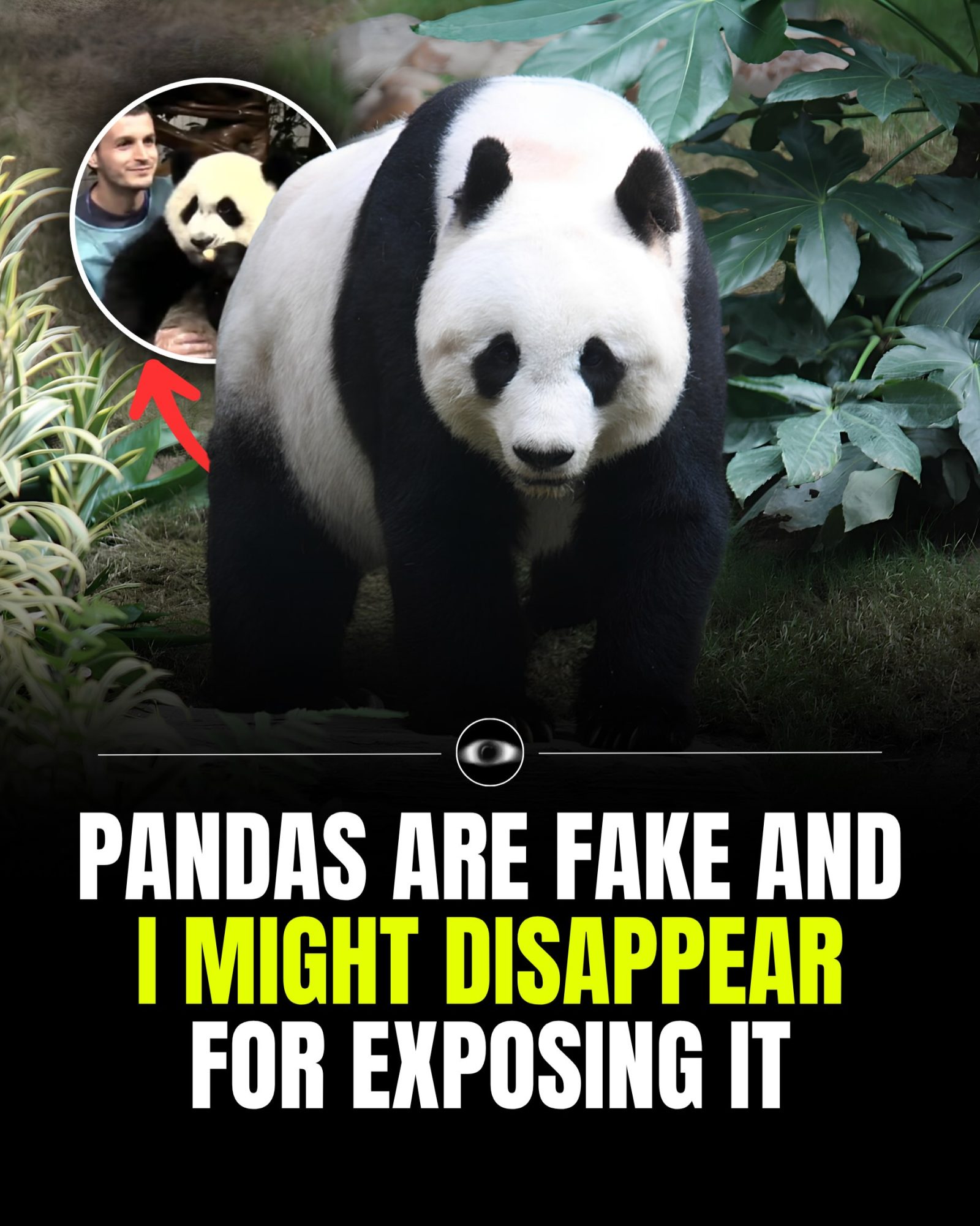
Panda Conspiracy Theory: Unraveling the Claims
Pandas, the beloved black and white bears, are often seen as symbols of conservation efforts worldwide. However, a compelling conspiracy theory challenges the very existence of these iconic creatures, suggesting they are a hoax perpetrated by the World Wildlife Fund (WWF) and governments to deceive the public.
Why This Matters
The idea that pandas might not be real animals is not just a wild claim; it taps into broader skepticism about wildlife conservation efforts and the transparency of organizations like the WWF. Understanding the basis of these claims provides insight into how conspiracy theories arise and spread, and the potential implications for public trust in environmental initiatives.
The Claim: Pandas Are Not Real Animals
The central claim of this conspiracy theory is that pandas are not genuine wildlife but a manufactured species created by the WWF and governments. According to this theory, pandas are a giant hoax designed to fool the world and collect billions in donations for nefarious purposes.
Camouflage and Habitat
One of the primary arguments against the authenticity of pandas is their supposed lack of effective camouflage. Pandas are black and white, but their habitat—green bamboo forests—does not match this coloration. Critics argue that a black and white bear in a green environment stands out like a clown, making the WWF's claims of "perfect camouflage" a lie. Real bears, they contend, have better adaptive coloration and survival skills, unlike pandas, who are said to be weak and clumsy, often falling out of trees and struggling with basic activities.
Physical Characteristics
The theory also points to unique physical features of pandas that supposedly indicate they are not natural animals. Pandas have vertical eye slits like cats, not bears, and a "fake thumb" bone, which is actually an enlarged wrist bone adapted for gripping bamboo. Additionally, panda cubs need constant paw protection, which is seen as evidence of their artificial origins. Critics argue that these traits are not the result of natural evolution but rather the product of a lab.
The Name "Panda"
Another layer of the conspiracy is the name "panda" itself. The name is traced back to an ancient demon god named "Pan," who is associated with playing the flute. Proponents of the theory note that pandas are often seen holding sticks like flutes, further strengthening the connection. This mythological link is used to suggest that the WWF exploits this "cute lie" to collect donations, which are then used for darker purposes.
The Role of the WWF
The WWF is at the heart of this conspiracy, accused of manipulating the public's perception of pandas for financial gain. According to the theory, the WWF uses pandas as a pathway for visitors to zoos, generating prestige and merchandise sales. The organization is also accused of presenting panda habits and habitats in a deceptive manner, further reinforcing the idea that pandas are a hoax.
Practical Tips for Evaluating Wildlife Claims
While this conspiracy theory is controversial, it raises important questions about how we evaluate claims about wildlife and conservation organizations.
- Critical Thinking: Always approach extraordinary claims with critical thinking. Look for multiple sources of information and cross-reference them.
- Scientific Evidence: Seek out scientific studies and expert opinions. Reliable scientific research can often debunk or confirm claims about wildlife.
- Transparency: Demand transparency from organizations like the WWF. Reputable organizations should be open about their methods, funding, and conservation efforts.
- Public Awareness: Stay informed about ongoing debates and controversies in the field of conservation. This knowledge can help you make more informed decisions about supporting various initiatives.
Important Takeaways
Evaluating the panda conspiracy theory involves considering multiple pieces of evidence and perspectives. While the claims are provocative, they highlight the importance of transparency and critical evaluation in conservation efforts.
- Transparency: Organizations like the WWF should maintain high levels of transparency to build public trust.
- Evidence: Claims about wildlife should be supported by robust scientific evidence, not just anecdotal observations or mythological connections.
- Public Engagement: Encouraging public engagement and dialogue can help foster a more informed and skeptical audience, capable of evaluating claims more effectively.
Conclusion
The conspiracy theory that pandas are not real animals raises questions about our understanding of wildlife and the role of conservation organizations. While the claims are controversial, they underscore the need for transparency, critical thinking, and evidence-based evaluation in conservation efforts. Whether or not pandas are genuine, the debate highlights the public's growing interest in the authenticity and integrity of wildlife conservation initiatives.
Watch the Reel
Questions readers ask
What is the core claim of the panda hoax conspiracy theory?
The core claim of the panda hoax conspiracy theory is that pandas, the black and white bears, do not actually exist as real animals. Proponents of this theory suggest that the World Wildlife Fund (WWF) and various governments have collaborated to create a fictitious species to advance their agendas, particularly in conservation efforts.
Why do some people believe in the panda conspiracy theory?
Belief in the panda conspiracy theory often stems from a general mistrust in environmental organizations and governments. Some individuals question the authenticity of conservation efforts and the motivations behind them, leading them to entertain the idea that pandas might be part of a larger deception. Additionally, the unique appearance and behavior of pandas can make them seem unreal to some, fueling the conspiracy.
How does the panda camouflage theory fit into the broader conspiracy?
The panda camouflage theory suggests that the distinctive black and white markings of pandas serve as a disguise, allowing them to blend in with their surroundings despite their large size. This theory is used to support the idea that pandas are not real animals, as their markings are seen as too perfect and unnatural, adding to the overall suspicion about their existence.
What role does the World Wildlife Fund (WWF) play in the panda conspiracy theory?
The WWF is a central figure in the panda conspiracy theory, as it is accused of manufacturing the existence of pandas to promote its conservation initiatives. Critics argue that the WWF uses pandas as a mascot and a fundraising tool, exploiting their supposed rarity and charm to garner public support and donations, even though the animals do not exist.
Are there any documented cases of fake pandas?
There are no credible documented cases of fake pandas. Despite the conspiracy claims, there is substantial scientific evidence and photographic documentation of pandas in their natural habitats. The misconception likely arises from a mix of skepticism, misinformation, and the unique appearance of these animals, which can be perceived as unusual or even unreal by some.
Related deep dives
Similar reads based on topic and creator.


Recent articles
Fresh deep dives from the latest Reels we unpacked.




Comments
Be the first to comment.