Coastal Restoration Through Oyster Shell Recycling
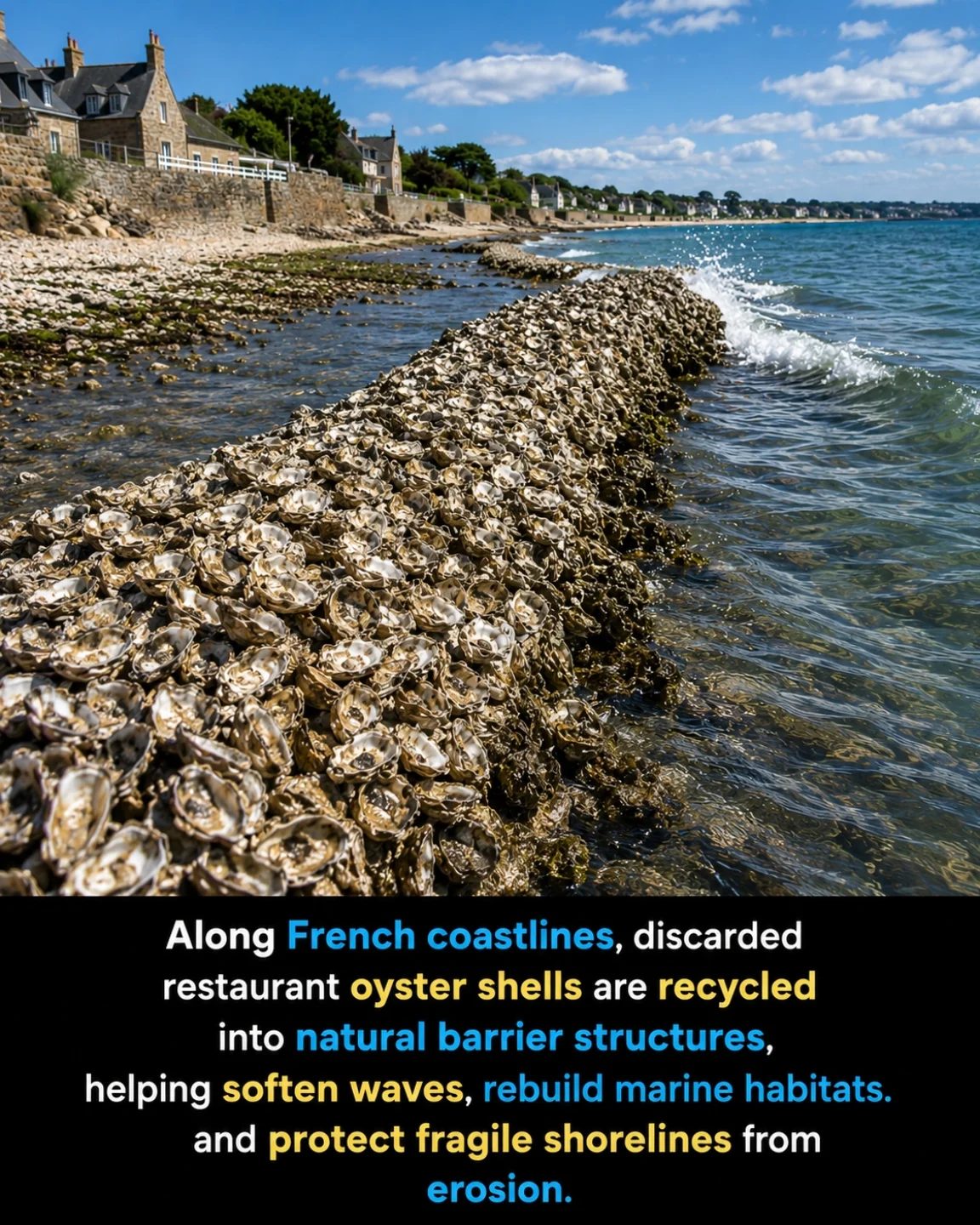
Coastal restoration is a critical endeavor critical to protecting shorelines and marine ecosystems. Along the French coastlines, a unique and sustainable approach to coastal conservation is making a significant difference. By recycling discarded oyster shells from restaurants, these regions are creating natural barrier structures that help protect fragile shorelines from erosion while also rebuilding marine habitats.
Why This Matters
Coastal erosion is a pressing environmental issue that affects countless communities around the world. Erosion can lead to loss of land, damage to infrastructure, and disruption of marine ecosystems. Traditional methods of shoreline protection, such as concrete seawalls, can be expensive and environmentally harmful. In contrast, using natural materials like oyster shells to create barrier structures offers a sustainable and eco-friendly solution.
The Role of Oyster Shells in Coastal Restoration
Oyster shells are a valuable resource in coastal restoration efforts for several reasons. Firstly, they are a natural material that can be easily sourced from local restaurants and seafood establishments. By recycling these shells, we reduce waste and give them a new purpose. Secondly, oyster shells have unique properties that make them ideal for creating natural barrier structures.
Softening Waves
One of the primary functions of the natural barrier structures made from oyster shells is to soften the impact of waves on the shoreline. These barriers help dissipate wave energy, reducing the erosive power of the water and protecting the coast from damage. This natural wave attenuation is crucial for preserving the integrity of shorelines and preventing erosion.
Rebuilding Marine Habitats
In addition to their protective function, oyster shell barriers also play a vital role in rebuilding marine habitats. Oyster shells provide a suitable substrate for oyster larvae to attach and grow, creating new oyster reefs. These reefs support a diverse range of marine life, including fish, crustaceans, and other invertebrates. By rebuilding these habitats, we help restore the ecological balance of coastal ecosystems.
Protecting Fragile Shorelines
The natural barrier structures created from oyster shells are particularly effective in protecting fragile shorelines. These structures mimic the natural dynamics of coastal environments, providing a stable and resilient defense against erosion. By using oyster shells, we create a living shoreline that adapts and evolves with the natural processes of the coastline, ensuring long-term protection and sustainability.
Practical Tips for Coastal Restoration
If you're interested in contributing to coastal restoration efforts, here are some practical tips to get involved:
Community Engagement
One of the most effective ways to support coastal restoration is through community engagement. Join local environmental groups or volunteer organizations that focus on coastal conservation. Participating in beach cleanups, restoration projects, and other community initiatives can make a significant impact.
Recycling Programs
Support local recycling programs that collect and repurpose oyster shells. Many restaurants and seafood establishments participate in these programs, and your support can help ensure that more oyster shells are recycled for coastal restoration projects.
Education and Awareness
Raise awareness about the importance of coastal restoration and the benefits of using oyster shells for shoreline protection. Share information with friends, family, and your community about the sustainable practices and environmental benefits of coastal conservation.
Advocacy
Advocate for policies and initiatives that promote sustainable coastal management. Encourage local governments and environmental agencies to support projects that utilize natural materials for shoreline protection and restoration.
Important Takeaways
Coastal restoration through oyster shell recycling is a sustainable and effective way to protect shorelines and rebuild marine habitats. By understanding the benefits of using natural barrier structures, we can contribute to the preservation of our coastlines and support the ecological health of marine ecosystems.
Sustainability
The use of oyster shells in coastal restoration is a prime example of sustainable environmental practices. By repurposing a natural resource that would otherwise go to waste, we create a win-win situation for both the environment and local communities.
Community Involvement
Community involvement is crucial for the success of coastal restoration projects. Engaging with local initiatives, supporting recycling programs, and advocating for sustainable practices can make a significant difference in protecting our coastlines.
Long-Term Benefits
The long-term benefits of coastal restoration through oyster shell recycling include protected shorelines, rebuilt marine habitats, and a healthier ecosystem. By investing in these sustainable practices, we ensure the preservation of our natural resources for future generations.
Conclusion
Coastal restoration is a vital endeavor that requires innovative and sustainable solutions. By recycling discarded oyster shells and creating natural barrier structures, we can protect fragile shorelines from erosion and rebuild marine habitats. Whether through community engagement, supporting local recycling programs, or advocating for sustainable practices, everyone can play a role in preserving our coastlines and supporting the health of marine ecosystems.
Watch the Reel
Questions readers ask
How do oyster shell barriers help mitigate erosion along the French coast?
Oyster shell barriers mitigate erosion by softening the impact of waves on the shoreline. Unlike hard structures like concrete seawalls, these natural barriers absorb and dissipate wave energy, reducing the force that would otherwise erode the coastline. Additionally, the barriers contribute to rebuilding marine habitats, enhancing the overall resilience of the coastal environment.
What are the benefits of using oyster shells for coastal protection?
Using oyster shells for coastal protection offers multiple benefits. It provides a sustainable solution to shoreline erosion, helps to reduce waste from local restaurants, and supports marine habitat restoration. Oyster shells also create natural structures that blend seamlessly with the coastal environment, preserving its aesthetic appeal.
How does the recycling of oyster shells contribute to sustainable shoreline protection in France?
By recycling oyster shells, France is not only addressing waste management but also promoting sustainable shoreline protection. This practice transforms discarded shells into effective coastal barriers that protect against erosion and support marine ecosystems, making it a practical and eco-friendly solution for coastal conservation.
What role do oyster shell barriers play in rebuilding marine habitats?
Oyster shell barriers serve as foundations for marine habitat restoration by mimicking natural reef systems. They provide a structure for marine organisms to attach and grow, fostering biodiversity and ecological balance. This process helps to rebuild and sustain healthy marine ecosystems along the French coast.
How do oyster shell barriers compare to traditional concrete seawalls in terms of environmental impact?
Oyster shell barriers offer a more environmentally friendly alternative to traditional concrete seawalls. Unlike concrete, oyster shells are a natural material that integrates with the coastal environment, reducing environmental disruption. They also support marine life, whereas concrete structures do not, making them a preferable option for sustainable coastal protection.
Related deep dives
Similar reads based on topic and creator.



Recent articles
Fresh deep dives from the latest Reels we unpacked.




Comments
Be the first to comment.