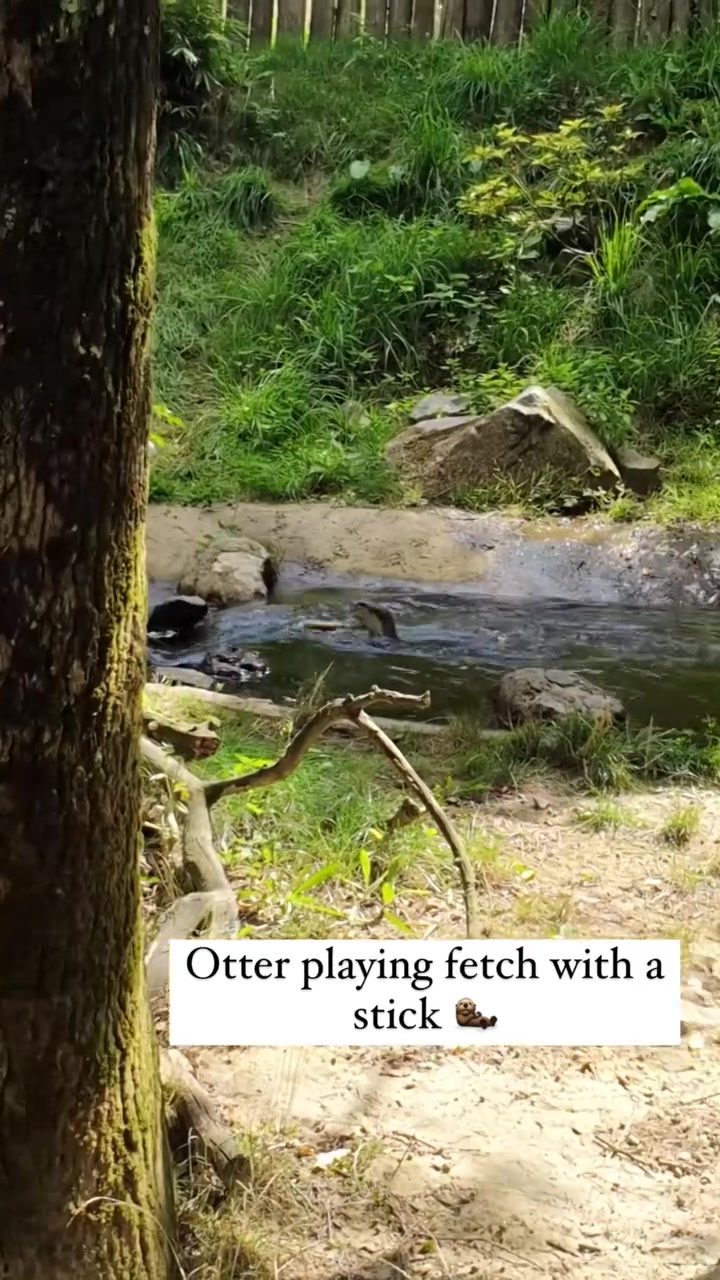
Otters and Their Playful Nature
Otters are renowned for their playful and curious behavior, which is not only entertaining to watch but also serves crucial purposes in their natural habitat. These semi-aquatic mammals are often seen engaging in various forms of play, from sliding down muddy banks to retrieving objects from water. This behavior is more than just fun; it helps them develop essential skills for survival.
Why This Matters
Understanding the playful nature of otters provides insights into their social structure, problem-solving abilities, and overall well-being. Their playful antics are not just for enjoyment but are integral to their development and survival strategies. By observing these behaviors, we can appreciate the intricacies of their natural habitat and the importance of preserving their ecosystems.
Main Discussion
Otters and Their Environment
Otters thrive in a variety of environments, including rivers, lakes, and coastal areas. Their natural habitats are often rich in flora and fauna, providing ample opportunities for play and exploration. The lush greenery and flowing streams seen in the video are typical of the environments where otters are found. These settings not only support their physical needs but also offer the mental stimulation they require.
Playful Activities
Otters engage in a variety of playful activities, which are both enjoyable and beneficial. These activities can include:
- Sliding: Otters are often seen sliding down muddy banks, which helps them develop agility and strength.
- Retrieving Objects: Playing fetch with sticks and other objects helps otters practice their swimming and diving skills, which are crucial for hunting and evading predators.
- Object Manipulation: Balancing and tossing rocks and other objects with their paws enhances their hand-eye coordination and problem-solving abilities.
Role of Play in Survival
The playful behavior of otters is not just for fun; it serves several vital functions in their survival. Play helps otters:
- Develop Physical Skills: By engaging in activities like sliding and retrieving objects, otters improve their agility, strength, and swimming abilities. These skills are essential for navigating their aquatic environments and catching prey.
- Enhance Cognitive Abilities: Manipulating objects and solving simple problems during play helps otters develop their cognitive abilities, making them more adaptable and resourceful.
- Bond with Family Members: Otters are highly social animals, and play often involves interaction with family members. This bonding strengthens social ties and helps younger otters learn essential survival skills from their elders.
Practical Tips
Observing Otters in the Wild
For those interested in observing otters in their natural habitats, here are some practical tips:
- Choose the Right Time: Early morning or late afternoon are usually the best times to spot otters, as they are most active during these periods.
- Be Quiet and Patient: Otters are sensitive to noise and disturbance. Approach their habitats quietly and be prepared to wait patiently for them to appear.
- Look for Signs: Otters often leave behind signs of their presence, such as slides on muddy banks or disturbed vegetation. These can guide you to potential sighting spots.
Supporting Otter Conservation
Efforts to preserve the natural habitats of otters are crucial for their survival. Here are some ways to support otter conservation:
- Reduce Water Pollution: Minimize the use of harmful chemicals and dispose of waste properly to keep water bodies clean and safe for otters.
- Support Conservation Efforts: Contribute to organizations dedicated to protecting otter habitats and promoting research on their behavior and conservation needs.
- Respect Wildlife: When observing otters, maintain a safe distance and avoid disturbing their natural behavior. This helps ensure their well-being and the integrity of their habitats.
Important Takeaways
- Otters are inherently playful animals, and their behavior serves multiple purposes in their survival.
- Engaging in activities like sliding and retrieving objects helps otters develop essential physical and cognitive skills.
- Observing otters in their natural habitats can be a rewarding experience, but it is important to do so responsibly.
Conclusion
Otters are fascinating creatures whose playful nature is a testament to their adaptability and intelligence. Understanding and appreciating their behavior not only enriches our knowledge of these amazing animals but also highlights the importance of conserving their natural habitats. By learning about their playful activities and the role they play in their survival, we can better support efforts to protect otters and ensure their continued existence in the wild.
Watch the Reel
Questions readers ask
How do otters benefit from playing fetch in streams?
Otters playing fetch in streams enhances their swimming skills and hunting techniques. It also helps them learn to maneuver through water currents and grasp objects, all of which are vital for their survival.
Why do otters slide down muddy banks?
Otters sliding down muddy banks is a form of play that helps them develop balance and agility. This activity also allows them to groom themselves and maintain their fur, which is crucial for insulation and buoyancy in water.
What do otters typically retrieve from the water during their fetch games?
During their fetch games, otters often retrieve a variety of objects, including sticks, rocks, and even shells. These items can vary depending on the otter's environment and what is readily available.
How do otters' play behaviors contribute to their social structure?
Otters' playful behaviors, such as fetching and sliding, often involve interactions with other otters. These activities help strengthen social bonds, teach younger otters essential skills, and reinforce group cohesion, which is vital for their collective survival and well-being.
Why is it important to observe otters' play behaviors for conservation?
Observing otters' playful activities in nature can provide valuable insights into their habits and needs. This information can guide efforts to preserve their habitats, ensuring that the waterways and land areas they depend on remain healthy and intact.
What can we learn about otter habitats from their play activities?
Otters' play activities, like fetching in streams and sliding down banks, reveal important details about their habitat preferences and requirements. By observing these behaviors, we can better understand what types of environments are necessary for otter populations to thrive.
Related deep dives
Similar reads based on topic and creator.



Recent articles
Fresh deep dives from the latest Reels we unpacked.




Comments
Be the first to comment.