Ocean Oxygen Loss
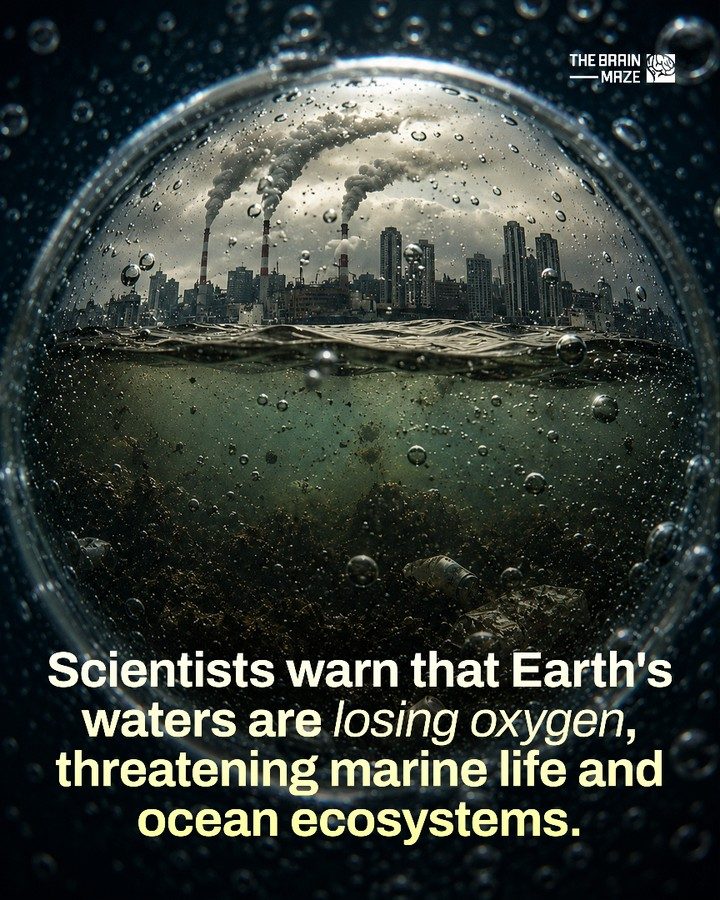
Earth's waters are quietly losing oxygen, posing a significant threat to marine ecosystems. This phenomenon, known as aquatic deoxygenation, is intricately linked to global warming, pollution, biodiversity loss, and ocean acidification. As oxygen levels decline, the delicate balance of marine food webs and climate-regulating processes are disrupted, pushing Earth’s life-support systems toward dangerous instability.
Why This Matters
The decline in oxygen levels in Earth's waters is a critical issue that affects not only marine life but also the health of our planet. Oxygen is essential for marine organisms, and its depletion can lead to massive die-offs of fish and other aquatic creatures. This disruption in marine ecosystems can have far-reaching consequences, including the collapse of fisheries, which are vital for human food security. Additionally, the loss of marine biodiversity can weaken the ocean's ability to absorb carbon dioxide, exacerbating global warming.
The Causes of Ocean Deoxygenation
Global Warming
One of the primary drivers of ocean deoxygenation is global warming. As the Earth's atmosphere warms, so do the oceans. Warmer water holds less dissolved oxygen, leading to a decrease in oxygen levels. This is particularly problematic in coastal regions and near the surface, where most marine life resides.
Pollution
Pollution, particularly from industrial activities and agricultural runoff, contributes significantly to the loss of oxygen in water bodies. Nutrient pollution from fertilizers and sewage can lead to algal blooms. When these algae die and decompose, they consume oxygen, creating dead zones where marine life cannot survive. These dead zones are expanding in both size and number, posing a severe threat to aquatic ecosystems.
Biodiversity Loss
The loss of biodiversity in marine ecosystems can also exacerbate deoxygenation. Certain species play crucial roles in maintaining oxygen levels, and their decline can disrupt the delicate balance of marine ecosystems. For example, the loss of seagrass meadows and mangrove forests, which are important for oxygen production, can contribute to lower oxygen levels in coastal waters.
Ocean Acidification
Ocean acidification, caused by the absorption of excess carbon dioxide from the atmosphere, is another factor contributing to deoxygenation. As the ocean becomes more acidic, it becomes harder for marine organisms to build and maintain their shells and skeletons, which are made of calcium carbonate. This weakened structure can make them more susceptible to disease and predation, further disrupting marine ecosystems and contributing to oxygen loss.
The Consequences of Deoxygenation
Disruption of Marine Food Webs
Marine food webs are intricate networks of species that rely on each other for survival. Deoxygenation can lead to the collapse of these food webs, as species at the base of the food chain, such as plankton and small fish, die off. This disruption can cascade up the food chain, affecting larger species like fish, marine mammals, and even humans who rely on these resources for food.
Impact on Climate Regulation
The ocean plays a crucial role in regulating Earth's climate by absorbing large amounts of carbon dioxide. Deoxygenation can weaken the ocean's ability to absorb carbon dioxide, leading to an increase in atmospheric carbon dioxide levels and further exacerbating global warming. This creates a vicious cycle where global warming leads to deoxygenation, which in turn worsens global warming.
Economic and Social Impacts
The loss of marine biodiversity and the collapse of fisheries can have devastating economic and social impacts. Fisheries are a vital source of food and income for millions of people worldwide. The decline in fish populations due to deoxygenation can lead to job losses, food insecurity, and social unrest. Additionally, the loss of marine biodiversity can have cultural and spiritual significance for coastal communities, further amplifying the impacts of deoxygenation.
Practical Tips for Mitigation
Reducing Pollution
Reducing pollution, particularly from industrial activities and agricultural runoff, is crucial for mitigating deoxygenation. This can be achieved through stricter regulations, improved waste management practices, and the promotion of sustainable farming practices.
Protecting Marine Ecosystems
Protecting and restoring marine ecosystems, such as seagrass meadows, mangrove forests, and coral reefs, can help maintain oxygen levels. These ecosystems act as natural filters, removing pollutants and producing oxygen. Protecting these ecosystems can also support biodiversity, which is essential for maintaining the health of marine ecosystems.
Addressing Global Warming
Addressing global warming through reduced greenhouse gas emissions is essential for mitigating deoxygenation. This can be achieved through the adoption of renewable energy sources, energy efficiency measures, and reforestation initiatives. These actions can help slow the rate of global warming and stabilize oxygen levels in the ocean.
Important Takeaways
Ocean deoxygenation is a complex issue with far-reaching consequences for marine life, climate regulation, and human societies. While the problem is severe, there are practical steps that can be taken to mitigate its impacts. By reducing pollution, protecting marine ecosystems, and addressing global warming, we can help stabilize oxygen levels in the ocean and safeguard the health of our planet.
Conclusion
The loss of oxygen in Earth's waters is a growing threat to marine ecosystems and the health of our planet. Understanding the causes and consequences of deoxygenation is crucial for developing effective mitigation strategies. By taking action to reduce pollution, protect marine ecosystems, and address global warming, we can help stabilize oxygen levels in the ocean and ensure a sustainable future for marine life and human societies.
Watch the Reel
Questions readers ask
What are the primary causes of ocean deoxygenation?
Ocean deoxygenation is primarily driven by global warming, which reduces the solubility of oxygen in water, and pollution, which fosters the growth of oxygen-consuming algae. Additionally, biodiversity loss and ocean acidification exacerbate this process, making it a complex and multifaceted issue.
How does ocean deoxygenation affect marine life?
As oxygen levels decline, marine organisms struggle to survive, leading to shifts in marine populations, decreased biodiversity, and even mass die-offs. This disruption cascades through marine food webs, affecting larger species and ultimately impacting fisheries and the broader ecosystem.
What role do marine ecosystems play in climate regulation?
Marine ecosystems, like forests, are essential for carbon dioxide absorption. However, ocean deoxygenation reduces the ability of marine ecosystems to absorb carbon dioxide. This loss of climate-regulating capacity contributes to increased greenhouse gas levels, further exacerbating global warming.
What are the most significant threats to ocean health and marine life?
The most significant threats to ocean health and marine life include declining oxygen levels, global warming, pollution, and biodiversity loss. These factors interact in a complex web of cause and effect, pushing marine ecosystems toward a tipping point of dangerous instability.
What do scientists warn about ocean oxygen levels?
Scientists warn that the ongoing decline in ocean oxygen levels poses a significant threat to marine ecosystems and the planet's health. They emphasize the urgent need for action to mitigate the impacts of global warming, pollution, and biodiversity loss to safeguard ocean health and marine life.
How does ocean deoxygenation impact climate change?
Ocean deoxygenation impacts climate change by reducing the ocean's capacity to absorb carbon dioxide. This diminished capacity leads to increased atmospheric carbon dioxide levels, exacerbating the greenhouse effect and contributing to further global warming.
Related deep dives
Similar reads based on topic and creator.


Recent articles
Fresh deep dives from the latest Reels we unpacked.




Comments
Be the first to comment.