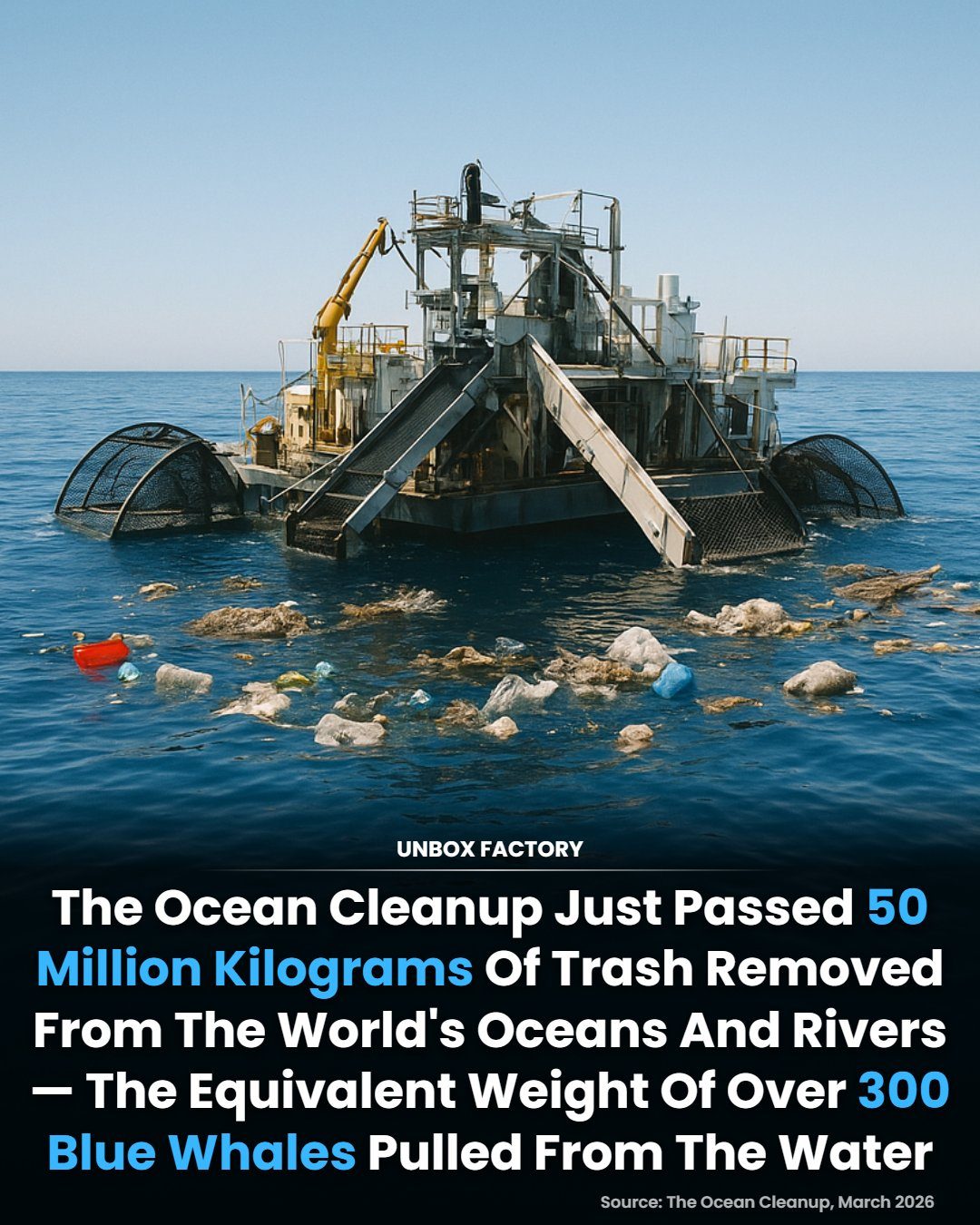
The Ocean Cleanup: Surpassing 50 Million Kilograms of Waste Removal
The Ocean Cleanup project has achieved a monumental milestone by removing 50 million kilograms of plastic and other waste from oceans and rivers worldwide. This massive cleanup effort is equivalent to pulling over 300 adult blue whales from the water, highlighting the scale of plastic pollution and the critical need for large-scale interventions to protect marine ecosystems.
Context: The Scale of the Problem
Understanding the significance of this milestone requires a deeper look at the scope of plastic pollution in our oceans. Scientists estimate that 8 to 11 million tonnes of plastic enter the oceans annually. This plastic waste, which includes abandoned fishing gear, plastic bottles, packaging, and microplastics, poses severe threats to marine life and ecosystems.
The Ocean Cleanup project’s efforts to intercept this waste before it reaches the open ocean are essential. By targeting rivers and other key sources, the project mitigates the spread of plastic pollution and helps protect vulnerable marine environments.
Main Discussion
The Ocean Cleanup's Methodology
The Ocean Cleanup project employs a specialized vessel designed for ocean debris collection. This vessel actively collects floating debris from the ocean surface, ensuring that waste is intercepted efficiently. The project's approach includes both river interception and large-scale ocean cleanup, targeting major sources of plastic pollution.
Key Milestones and Achievements
The 50 million kilograms of waste removed by The Ocean Cleanup is a staggering achievement. This milestone underscores the project’s effectiveness and the urgent need for continued efforts. By pulling the equivalent weight of over 300 blue whales, The Ocean Cleanup has made a significant dent in the vast problem of ocean plastic pollution.
The project’s success is particularly noteworthy given the variety of waste intercepted. Abandoned fishing gear, plastic bottles, packaging, and microplastics are among the common types of waste collected. This diversity highlights the pervasive nature of plastic pollution and the comprehensive approach required to address it.
The Importance of Interception
Intercepting plastic waste before it reaches the open ocean is crucial for several reasons. First, it prevents the fragmentation of plastic into microplastics, which are more difficult to remove and pose severe risks to marine life. Second, it reduces the environmental impact on marine ecosystems, which are already under stress from various human activities.
The Role of Technology
The Ocean Cleanup project leverages innovative technology to maximize its cleanup efforts. The specialized vessel is designed to efficiently collect floating debris, and continuous research and development ensure that the project remains effective and adaptable in the face of evolving challenges.
Practical Tips for Reducing Plastic Pollution
While large-scale efforts like The Ocean Cleanup are crucial, individual actions can also make a significant difference. Here are some practical tips for reducing plastic pollution:
-
Reduce Single-Use Plastics: Avoid using single-use plastics such as bags, straws, and bottles. Opt for reusable alternatives whenever possible.
-
Proper Disposal: Ensure that all plastic waste is disposed of properly. Recycle plastics according to local guidelines and avoid littering.
-
Support Sustainable Brands: Choose products from companies that prioritize sustainability and have strong recycling or waste management practices.
-
Participate in Cleanup Efforts: Join local cleanup initiatives or organize your own. Community efforts can have a significant impact on local environments.
-
Educate Others: Spread awareness about the impact of plastic pollution and encourage friends, family, and colleagues to adopt eco-friendly habits.
Important Takeaways
The Ocean Cleanup project's milestone of removing 50 million kilograms of waste from the world's oceans and rivers is a testament to the power of large-scale environmental initiatives. By targeting major sources of plastic pollution, the project helps protect marine ecosystems and mitigate the devastating effects of plastic waste.
Individual efforts, combined with large-scale initiatives, play a crucial role in combating plastic pollution. Every action, no matter how small, contributes to a cleaner, healthier planet.
Conclusion
The Ocean Cleanup project's achievement of removing 50 million kilograms of waste showcases the importance of sustained and innovative efforts in addressing plastic pollution. The project's success underscores the need for continued research, development, and community involvement in protecting our oceans and marine life. As we move forward, let us all strive to reduce our plastic footprint and support initiatives that safeguard our planet for future generations.
Watch the Reel
Questions readers ask
How does The Ocean Cleanup project compare to other marine waste removal efforts?
The Ocean Cleanup project stands out due to its large scale and systematic approach. While other efforts may focus on local beach cleanups, The Ocean Cleanup intercepts waste at key sources, including rivers and ocean gyres, aiming to prevent waste from spreading further and harming marine ecosystems.
What types of waste does The Ocean Cleanup project primarily target?
The project focuses on a range of waste, including plastic bottles, packaging, and abandoned fishing gear. These items are the most common types of waste found in oceans and rivers, and they pose significant threats to marine life and habitats.
How does the project's achievement of 50 million kilograms of debris relate to the overall plastic pollution problem?
The 50 million kilograms of debris removed is equivalent to the weight of about 300 blue whales. This milestone underscores the vast amount of plastic pollution in our oceans, with an estimated 8 to 11 million tonnes entering the oceans each year, emphasizing the need for continued large-scale efforts.
What are the primary goals of The Ocean Cleanup project by 2026?
By 2026, The Ocean Cleanup aims to significantly increase its impact, with a renewed focus on intercepting plastic waste at key locations. The goal is to prevent plastic from reaching the oceans in the first place while continuing to clean up existing debris.
What role do rivers play in The Ocean Cleanup project?
Rivers are critical intercept points for The Ocean Cleanup. By installing cleanup systems in rivers, the project can prevent plastic waste from reaching the ocean. This strategy allows for more efficient and targeted waste removal, protecting both river and marine ecosystems.
What is the significance of the ocean cleanup vessel in the project's operations?
The ocean cleanup vessel is a crucial component of the project, designed to collect and remove waste efficiently. The vessel's ability to navigate and operate in harsh ocean conditions allows for the collection of debris that would otherwise be difficult to reach. It contributes to the project's goal of large-scale marine cleanup.
What impact does the project's waste removal have on marine ecosystems?
By removing millions of kilograms of waste, The Ocean Cleanup project significantly reduces the risk of plastic ingestion and entanglement for marine animals. This intervention also helps to protect habitats from degradation and chemical pollution, fostering healthier and more resilient marine ecosystems.
Related deep dives
Similar reads based on topic and creator.




Recent articles
Fresh deep dives from the latest Reels we unpacked.

Comments
Be the first to comment.