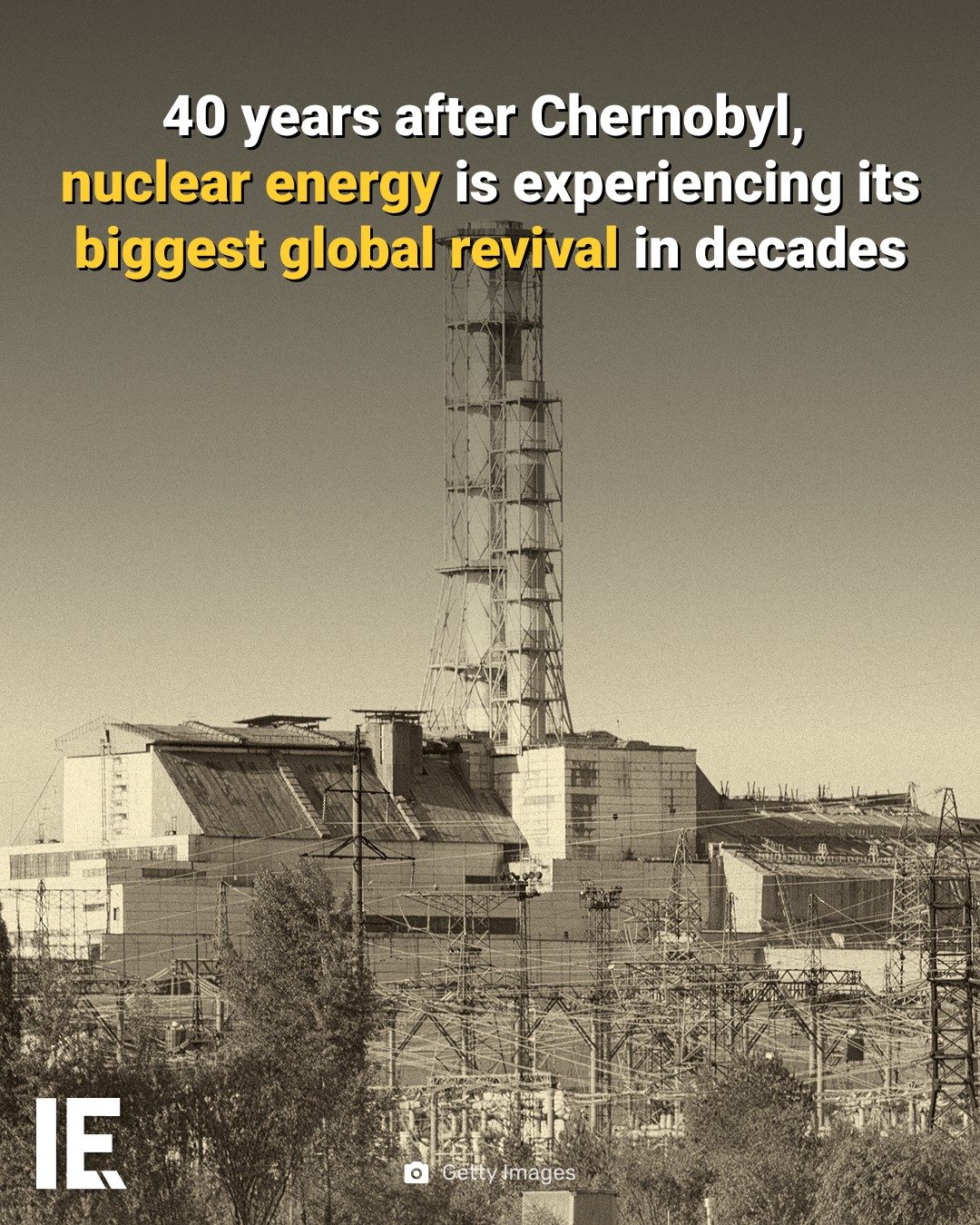
The Global Resurgence of Nuclear Energy
The 1986 Chernobyl disaster marked a pivotal moment in the history of nuclear energy, leading to a global retreat from its use that lasted for decades. The cessation lasted for decades until recently, when the tide has reversed. Today, nuclear energy is experiencing its biggest global revival in decades. Over 400 nuclear reactors are now operational across 31 countries, with an additional 70 under construction. Nuclear energy generates approximately 10% of the world's electricity, accounting for nearly a quarter of all low-carbon power.
The resurgence of nuclear energy is driven by several critical factors, including energy security, the surging power demands of artificial intelligence (AI), and the growing recognition that decarbonization targets are challenging to meet without it.
Context: The Legacy of Chernobyl
Forty years ago, the Chernobyl disaster in Ukraine was a catastrophic event that released massive amounts of radioactive contamination, affecting much of Western Russia and Europe. The fallout led to a widespread public and political backlash against nuclear power, prompting many countries to phase out nuclear energy in favor of seemingly safer alternatives.
The legacy of Chernobyl has left a lasting impact on the global energy landscape. Public fear and political pressure led to the decommissioning of many nuclear reactors. The disaster also catalyzed stricter safety regulations and technological advancements in nuclear power, but it did not immediately halt the construction of new reactors. However, it did slow down the expansion of nuclear energy, leading to a significant reliance on fossil fuels and, to a lesser extent, renewable energy sources.
The Nuclear Revival: Drivers and Dynamics
The current revival of nuclear energy can be attributed to several key drivers, including energy security, artificial intelligence, and the push for decarbonization.
Energy Security and Geopolitical Factors
The global energy landscape is increasingly volatile, with geopolitical tensions and uncertain supply chains raising concerns about energy independence. Nuclear power, as a domestic and reliable energy source, has emerged as a strategic asset for countries looking to secure their energy supplies. Many nations are reassessing their nuclear policies, recognizing that a diversified energy mix, including nuclear, is essential for energy security.
The United States
The United States is one of the major proponents of nuclear energy. The current administration has set a goal to quadruple its nuclear capacity by 2050. The US seeks to leverage nuclear energy's low-carbon footprint and high power density to meet its domestic energy demands and reduce reliance on fossil fuels.
China
China is leading the way in new nuclear construction, with nearly 40 reactors currently under development. China's ambitious plans for nuclear energy are driven by its need for clean, reliable power as it continues to expand its industrial and technological capabilities. The country aims to achieve a low-carbon energy mix through a combination of renewable energy sources and nuclear power.
Artificial Intelligence and Energy Demands
The rise of AI has led to a surge in energy demand, particularly for data centers that require massive amounts of power to operate. Nuclear energy, with its high power density and low carbon emissions, is well-suited to meet these growing demands. AI's vast computational needs are driving the development of new power plants and advanced nuclear technologies to ensure a stable and sustainable energy supply.
Decarbonization and Climate Change
The global push towards decarbonization is another critical driver of nuclear energy's resurgence. Nuclear power, which generates electricity without releasing carbon dioxide, is seen as a crucial component in the fight against climate change. Meeting decarbonization targets without nuclear energy is challenging, as renewable sources like wind and solar, while low-carbon, are intermittent and require significant storage solutions. Nuclear power provides a stable, base-load power source that complements renewable energy.
The European Shift
The European Commission, which once distanced itself from nuclear energy, has now classified it alongside wind and solar as clean energy. The EU has recognized the crucial role nuclear energy can play in achieving its climate goals and has embraced a more nuanced approach to energy policy. This shift underscores the growing acceptance of nuclear energy as a viable and essential component of a low-carbon future.
Practical Tips for Understanding Nuclear Energy
To better comprehend the role of nuclear energy in today's world, consider the following practical tips:
Learn About Nuclear Technologies
Stay informed about the latest advancements in nuclear technology. New reactor designs, such as small modular reactors (SMRs), promise greater safety and efficiency. Understanding these innovations can help you appreciate the evolving role of nuclear energy in the global energy mix.
Explore the Safety Measures
Familiarize yourself with the robust safety measures in place at modern nuclear power plants. Learn about the International Atomic Energy Agency (IAEA) standards and regulations that ensure the safe operation of nuclear facilities worldwide. This knowledge can alleviate concerns about the safety of nuclear power.
Engage with Policy Discussions
Participate in public discussions and policy debates about nuclear energy. Contribute your voice and insights to the conversation, as informed citizens play a crucial role in shaping energy policy and ensuring a sustainable future.
Important Takeaways
The global revival of nuclear energy is driven by a combination of energy security, AI's power demands, and the need for decarbonization. Nuclear power now generates 10% of the world’s electricity, accounting for a significant portion of low-carbon energy. With over 400 operational reactors and 70 more under construction, the trend is clear: nuclear energy is back, and it's here to stay. This resurgence is not just about energy but also about addressing climate change, ensuring energy security, and meeting the power demands of emerging technologies.
Conclusion
The 1986 Chernobyl disaster marked a turning point in the history of nuclear energy, but forty years later, the world is witnessing a significant resurgence. This revitalization is driven by the critical need for energy security, the surging power demands of AI, and the urgent imperative to decarbonize the global energy sector. As the world continues to evolve, nuclear energy stands as a cornerstone in the quest for a sustainable and secure energy future.
Watch the Reel
Questions readers ask
Why is nuclear energy experiencing a global resurgence after the Chernobyl disaster?
Nuclear energy is making a comeback due to increased energy security needs, the high power demands of advanced technologies like artificial intelligence, and the urgent need to reduce carbon emissions. These factors have led to a renewed interest in nuclear power as a reliable and low-carbon energy source.
How has the number of nuclear reactors changed since the Chernobyl disaster?
Since the Chernobyl disaster, the number of operational nuclear reactors has steadily increased. As of now, there are over 400 nuclear reactors operating in 31 countries, with another 70 reactors under construction, demonstrating a significant global investment in nuclear power.
What percentage of global electricity does nuclear energy currently provide?
Nuclear energy currently generates about 10% of the world's electricity, making it a significant contributor to the global energy mix. Additionally, it accounts for nearly 25% of all low-carbon power, highlighting its importance in reducing carbon emissions.
What role does artificial intelligence play in the resurgence of nuclear energy?
The power demands of artificial intelligence and other advanced technologies have surged, driving the need for reliable and consistent power sources. Nuclear energy, with its ability to provide constant, low-carbon power, is well-suited to meet these demands, contributing to its resurgence.
How does nuclear energy contribute to global decarbonization efforts?
Nuclear energy is a low-carbon power source, meaning it produces minimal greenhouse gas emissions. As the world seeks to meet decarbonization targets, nuclear power is becoming an essential part of the energy mix, providing a stable and significant contribution to low-carbon electricity.
What countries are leading the global resurgence of nuclear energy?
Over 31 countries are actively operating nuclear reactors, with significant expansion projects underway. These countries, including China, the United States, and France, are at the forefront of the global nuclear resurgence, recognising the importance of nuclear energy in meeting their energy security and decarbonization goals.
What safety measures have been implemented in nuclear reactors since the Chernobyl disaster?
Since the Chernobyl disaster, significant advancements have been made in nuclear reactor safety. Modern reactors incorporate advanced safety features, such as passive cooling systems and enhanced containment structures, to prevent and mitigate potential accidents. Additionally, stringent regulatory frameworks and international cooperation have been established to ensure the safe operation of nuclear power plants.
Related deep dives
Similar reads based on topic and creator.



Recent articles
Fresh deep dives from the latest Reels we unpacked.




Comments
Be the first to comment.