A Journey Through European Architecture and Design
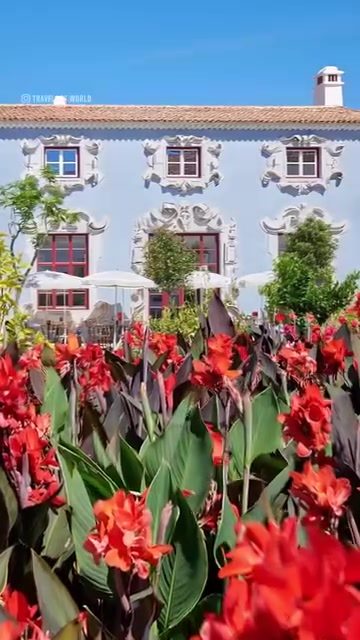
Vibrant descriptions of architectural and interior design elements evoke a rich travel experience, especially when recalling scenes from years past. The building showcased features ornate windows and a balcony, adorned with red flowers. These elements create a captivating visual experience that draws the eye in. The use of flowers adds a splash of color and a touch of nature to the building, making it more inviting and picturesque. This unique blend gives a sense of travel and exploration.
Why this matters
The architecture and design elements of a European building are deeply rooted in history and cultural heritage. Exploring and understanding this rich heritage can provide deeper insights into the aesthetic and functional aspects of European architecture. It highlights the importance of preserving and appreciating classical architectural styles, which have stood the test of time.
Grand Architectural Style
Ornate Windows and Balconies
The building's ornate windows and balconies are a testament to classical architectural design. Ornate windows often feature intricate details and carvings that add to the overall aesthetic appeal. Balconies, on the other hand, provide a sense of space and openness, allowing natural light to flow into the building. These elements together create a harmonious blend of functionality and beauty. The vibrant red flowers adorning the balcony serve as a striking contrast against the building's facade, adding a pop of color and a touch of nature.
Classical Architectural Style
European buildings are renowned for their classical architectural style, which emphasizes symmetry, proportion, and detail. The building shown in the scenes reflects this style with its ornate windows, intricate carvings, and grand balconies. This style not only adds to the visual appeal but also reflects the rich cultural heritage of the region. From the ornate windows to the intricate carvings, every element of the building is designed to create a sense of elegance and grandeur.
Interior Design and Decor
Luxurious and Elegant Interior
The interior of the building is characterized by its luxurious and elegant decor. The ornate space features a framed portrait and an antique-style chair, adding a touch of art and elegance. The vintage-style decor creates a sense of opulence and refinement, making the space feel both grand and inviting. The intricate details and decorative elements add to the overall aesthetic, making it a place of beauty and sophistication.
The interior design of a building can significantly impact the overall ambiance and experience. The decorative elements, such as the framed portrait and antique-style chair, add a sense of art and elegance. The use of intricate details and a vintage style creates a luxurious and opulent atmosphere, making the space feel both grand and inviting. The overall ambiance is one of refinement and sophistication, making it a place of beauty and elegance.
Unique Bar Design
Blend of Classical and Modern Elements
The bar interior showcases a unique blend of classical and modern design elements. The large stone bust adds a touch of artistic flair, while the intricate patterns on the bar create a sense of depth and interest. This blend of old and new creates a dynamic and engaging space, perfect for socializing and enjoying a drink.
The bar's design features a blend of classical and modern elements, creating a unique and intriguing space. The large stone bust adds a touch of artistic flair, while the intricate patterns on the bar create a sense of depth and interest. This blend of old and new creates a dynamic and engaging space, perfect for socializing and enjoying a drink. The red stools provide a pop of color and contrast, making the space feel vibrant and lively.
Practical Tips
If you're looking to incorporate a similar design into your own space, consider the following tips:
- Blend Old and New: Mix classical and modern elements to create a unique and dynamic space. This can be achieved through furniture, decor, and architectural features.
- Add Artistic Touches: Incorporate elements like statues, portraits, and intricate patterns to add a sense of art and flair to your space.
- Use Color: Don't be afraid to use vibrant colors to create contrast and add a pop of color. This can be done through furniture, decor, or even paint.
- Create a Luxurious Interior: Focus on intricate details, vintage styles, and opulent elements to create a luxurious and elegant interior.
Important Takeaways
Understanding the unique design elements highlighted here can provide inspiration for your own space. Whether you're looking to create a luxurious interior or a blend of classical and modern design, these elements can be incorporated to create a unique and captivating space.
Conclusion
The building, featuring ornate windows and balconies, red flowers, and a luxurious interior, offers a captivating blend of classical and modern design elements. Whether you're looking to create a luxurious space or add a touch of artistic flair, these elements can be incorporated to create a unique and captivating space.
Watch the Reel
Questions readers ask
What are some distinctive features of traditional Portuguese balconies?
Traditional Portuguese balconies are known for their grand size and intricate designs, often featuring ornate ironwork. These balconies not only serve a practical purpose but also add a decorative touch to the building's facade, contributing to the country's unique architectural charm.
Why are red flowers commonly associated with Portuguese architecture?
Red flowers, such as geraniums, are commonly seen in Portuguese architecture due to their vibrant color and ability to thrive in the local climate. They are often used to adorn balconies and windows, adding a splash of color and a touch of nature to the buildings, making them more inviting and picturesque.
How do ornate windows in Portugal contribute to the country's architectural heritage?
Ornate windows in Portugal are a significant feature of the country's historic architecture. They often display intricate designs and patterns, reflecting the craftsmanship and artistic skills of the past, and provide insights into Portugal's rich cultural legacy.
What role do architectural elements like balconies and windows play in Portuguese culture?
Architectural elements like balconies and windows are integral to Portuguese culture, serving as more than just functional components. They are often adorned with flowers and feature intricate designs, making them a focal point of the building's facade and a key aspect of the country's cultural heritage.
How does exploring Portugal's architectural heritage enhance travel experiences?
Exploring Portugal's architectural heritage can enhance travel experiences by providing a deeper understanding of the country's history and culture. The unique blend of ornate design elements, vibrant colors, and natural touches, such as red flowers, creates a captivating visual experience that evokes a sense of travel and exploration.
What historical periods have significantly influenced Portuguese architecture?
Portuguese architecture has been significantly influenced by several historical periods, including the Roman, Gothic, and Manueline periods. Each of these periods has left its mark on the country's architectural landscape, contributing to the unique blend of styles seen in Portuguese buildings today.
Related deep dives
Similar reads based on topic and creator.




Recent articles
Fresh deep dives from the latest Reels we unpacked.



Comments
Be the first to comment.