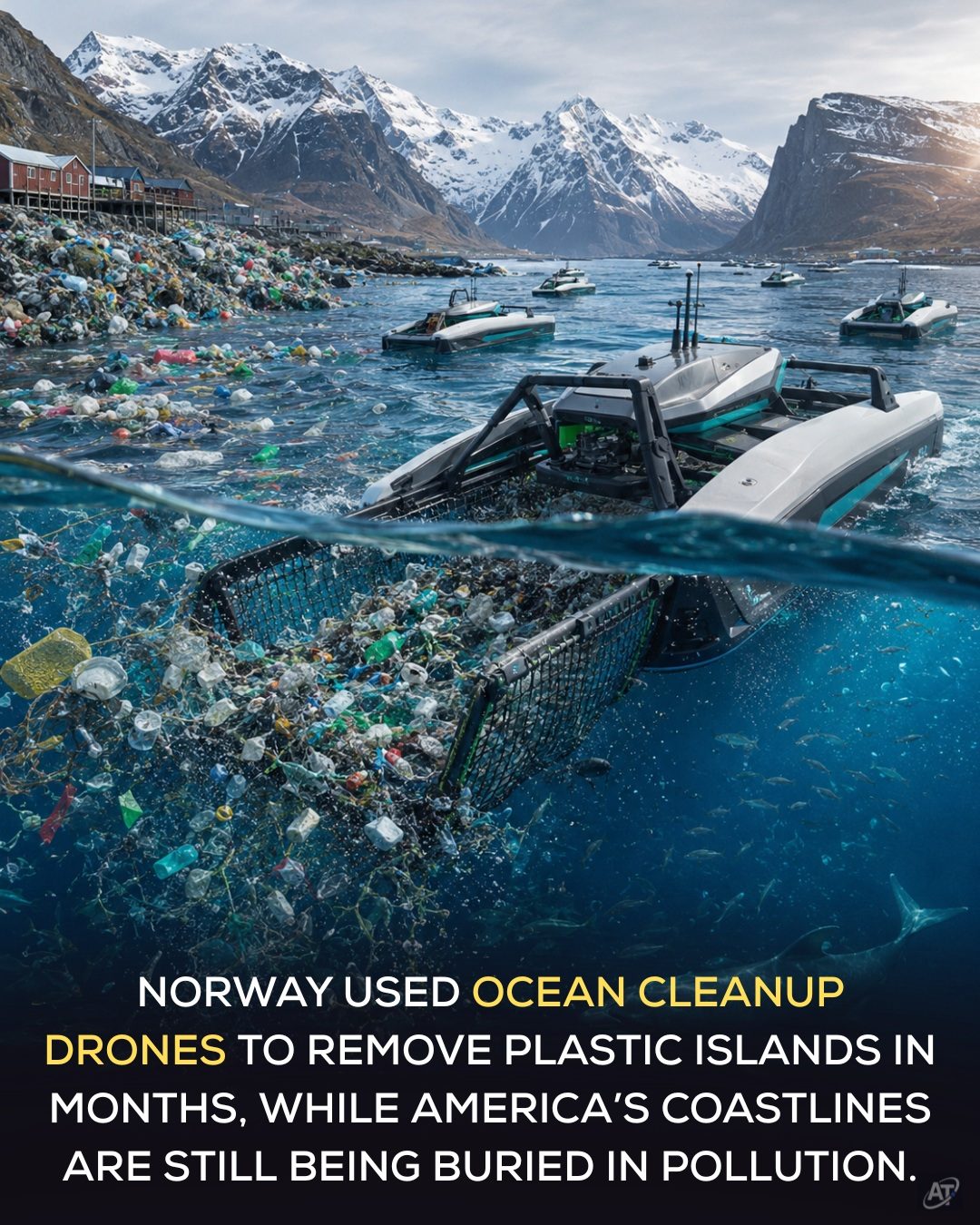
Ocean Cleanup Drones: The Future of Marine Plastic Removal
Ocean cleanup drones are at the forefront of technological innovations aimed at tackling the global issue of marine plastic pollution. These specialized drones are designed to automatically detect, collect, and remove plastic debris from the ocean, offering a promising solution to a problem that has long plagued our waters.
Context / Why This Matters
The scale of the plastic pollution crisis is staggering. Millions of tonnes of plastic waste enter aquatic environments each year, posing significant threats to marine life and ecosystems. This waste breaks down into microplastics, contaminating waterways and coastlines and leaving communities to grapple with the environmental and economic consequences. While technological advancements like ocean cleanup drones offer a ray of hope, addressing the root causes of the problem is equally crucial. Producer responsibility, improved packaging design, and stricter waste management laws are essential to preventing more plastic from entering the water in the first place.
Main Discussion
The Role of AI in Ocean Cleanup
Norwegian and international researchers are already testing AI systems that can detect floating plastic using cameras, drones, and automated image recognition. These systems are pivotal in identifying plastic hotspots, which are areas with high concentrations of plastic waste. By leveraging AI, researchers can monitor and map these hotspots more efficiently, allowing for targeted cleanup efforts.
Drones in Action
Ocean cleanup drones are equipped with advanced sensors and cameras that can detect and collect plastic debris. These drones are designed to navigate through water, avoiding marine life and focusing on the collection of plastic waste. The technology behind these drones is continuously evolving, with ongoing tests and improvements to enhance their effectiveness.
The Great Pacific Garbage Patch
One of the most significant challenges in ocean cleanup is the Great Pacific Garbage Patch, a vast accumulation of plastic waste in the Pacific Ocean. The Ocean Cleanup, a nonprofit organization, has been testing drones and AI-powered cameras to locate and remove plastic from this area. Their long-term goal is to remove 90% of floating ocean plastic by 2040, a challenging but essential target given the scale of the problem.
Practical Tips
Support Research and Development
Supporting research and development in ocean cleanup technologies is crucial. This can be achieved through funding, collaboration, and public awareness. By investing in these technologies, we can accelerate their deployment and effectiveness in real-world scenarios.
Promote Producer Responsibility
Encouraging producer responsibility is another practical step. This means holding companies accountable for the plastic waste generated by their products. By implementing policies that make producers responsible for the full lifecycle of their products, we can reduce the amount of plastic waste entering the ocean.
Improve Waste Management
Improving waste management systems is essential for preventing more plastic from entering the ocean. This includes better packaging design, reduced use of single-use plastics, and stronger waste collection and recycling infrastructure. By addressing the root causes of plastic pollution, we can significantly reduce the burden on our marine environments.
Public Awareness and Participation
Raising public awareness about the issue of ocean plastic pollution and encouraging participation in cleanup efforts is vital. Community-driven initiatives, such as beach cleanups and river cleanups, can make a tangible difference and foster a sense of collective responsibility.
Important Takeaways
Norway's Lead in Ocean Cleanup
Norway has made significant strides in ocean cleanup efforts, particularly through the use of drones and AI-assisted imaging systems. The country's environmental authorities have supported pilot projects that test and implement these technologies, showcasing the potential for large-scale application.
Challenges and Misconceptions
While the idea of autonomous drones removing 90% of plastic pollution from targeted marine areas in just six months is compelling, it's essential to approach such claims with caution. The reality is that ocean cleanup is a complex and long-term endeavor that requires sustained effort and innovation.
The Need for Holistic Solutions
Cleanup alone will never be enough. Addressing the plastic pollution crisis requires a multifaceted approach that includes technological innovations, policy changes, and public engagement. By working together, we can create a cleaner, healthier ocean for future generations.
Conclusion
Ocean cleanup drones represent a critical step forward in combating marine plastic pollution. By leveraging AI and advanced sensor technology, these drones can effectively detect and remove plastic waste from our oceans. However, the fight against plastic pollution requires a holistic approach that includes producer responsibility, improved waste management, and public participation. The future of our oceans depends on our collective efforts to reduce plastic waste and protect marine ecosystems.
Watch the Reel
Questions readers ask
How do ocean cleanup drones work in detecting plastic debris?
Ocean cleanup drones use advanced sensors and AI to detect plastic debris autonomously. These sensors can identify the unique spectral signatures of plastics, enabling the drones to distinguish between harmful waste and other materials in the water. The drones can then use this data to navigate and collect the debris efficiently.
What makes Norway's ocean cleanup drones unique?
Norwegian ocean cleanup drones are designed specifically for the harsh conditions of the northern oceans. They use advanced AI and sensors to adapt to the unique challenges posed by the cold waters and rough seas of the North. Additionally, these drones are equipped with specialized collection systems that can handle the diverse types of plastic waste found in these regions, making them a crucial part of the global effort to remove marine debris.
Can these drones operate in deep ocean environments?
While many ocean cleanup drones are designed for surface-level operations, some advanced models are being developed to operate in deep ocean environments. These drones use sophisticated sonar and camera systems to navigate and collect debris at greater depths. However, deep ocean operations are still an active area of research and development.
How do ocean cleanup drones contribute to marine life protection?
By autonomously removing plastic debris, ocean cleanup drones help reduce the amount of waste that marine animals can ingest or become entangled in. This not only protects individual species but also helps maintain the overall health of marine ecosystems, which are crucial for the well-being of both marine life and human communities that depend on these ecosystems.
What role do sensors play in the operation of these drones?
Sensors are essential for the effective operation of ocean cleanup drones. They enable the drones to detect and analyze plastic waste, as well as monitor the surrounding environment. By gathering real-time data, these sensors help the drones make informed decisions about where to collect debris, ensuring that the cleanup process is both efficient and effective.
Can ocean cleanup drones operate independently or do they require human intervention?
Ocean cleanup drones are designed to operate autonomously, using AI to navigate, detect, and collect plastic debris. However, they often have remote monitoring capabilities, allowing human operators to check the drone's progress and intervene if necessary. This combination of autonomy and human oversight ensures that the drones can operate effectively in a variety of conditions and situations.
Are there any environmental concerns associated with the use of ocean cleanup drones?
While ocean cleanup drones offer a promising solution to marine plastic pollution, there are some environmental considerations. For example, the drones themselves must be powered, typically by batteries or solar energy, which can have an environmental impact. Additionally, the collection process must be carefully managed to ensure that it does not harm marine life or disrupt ecosystems. Researchers and developers are continually working to address these challenges and minimize any potential negative impacts.
Related deep dives
Similar reads based on topic and creator.



Recent articles
Fresh deep dives from the latest Reels we unpacked.




Comments
Be the first to comment.