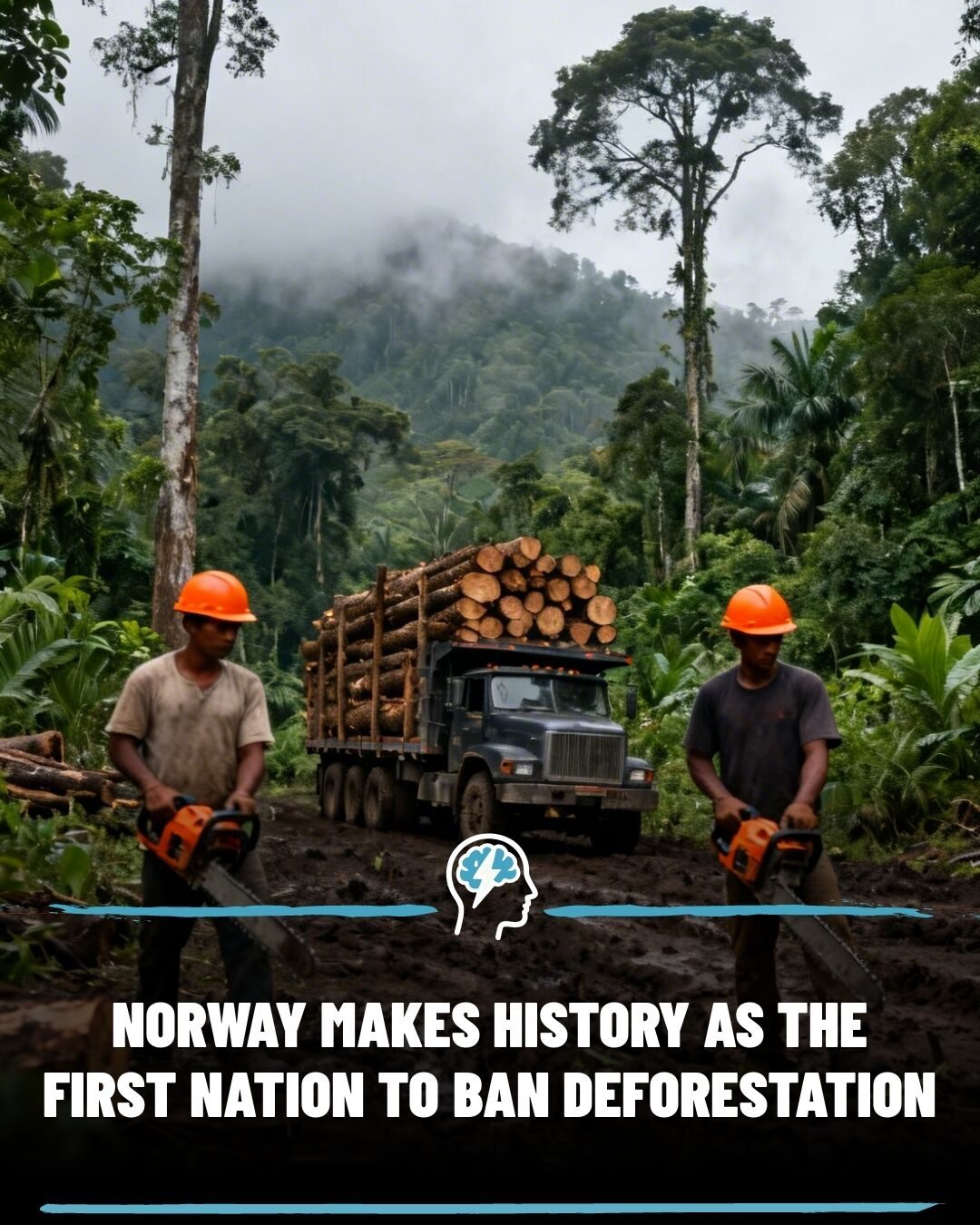
Norway's Landmark Deforestation Ban: A Pivotal Step in Climate Leadership
Norway has made an unprecedented move in global climate policy by becoming the first country to implement a complete ban on deforestation. The Scandinavian nation has imposed a requirement for deforestation-free supply chains for all government contracts. This bold initiative underscores Norway's commitment to environmental sustainability and sets a precedent for other nations grappling with the impacts of climate change.
Why This Matters
Deforestation is a significant contributor to global greenhouse gas emissions, accounting for roughly 15% of the total. Forests play a crucial role in absorbing carbon, protecting biodiversity, and stabilizing the climate. When forests are cleared to make way for commodities like palm oil, soy, beef, and timber, it results in the loss of vital natural infrastructure. This loss not only exacerbates climate change but also disrupts ecosystems and endangers countless species.
Norway's move to require deforestation-free supply chains is a practical application of purchasing power to reshape global supply chains. By making this a condition for government contracts, Norway is leveraging its economic influence to drive sustainable practices. This approach is more than a symbolic gesture; it is a tangible step towards ensuring that the global supply chain operates in a more environmentally responsible manner.
The Policy in Detail
Scope and Requirements
Norway's new policy requires any company seeking to do business with the government to provide traceable documentation proving that their operations do not contribute to forest degradation. This level of transparency and accountability is essential for ensuring that the ban is more than just a symbolic measure. It demands that companies take concrete steps to ensure their supply chains are free from deforestation.
Historical Context
This commitment builds on Norway's 2014 pledge made at the UN Climate Summit and extends through 2035 as part of their broader rainforest preservation initiative. By extending this commitment, Norway is demonstrating a long-term dedication to environmental sustainability. This initiative aligns with their broader goals to protect and preserve the world's rainforests, which are critical in the fight against climate change.
Economic Incentives
One of the most intriguing aspects of Norway's approach is its use of existing economic leverage. By making deforestation-free practices a requirement for contracts, Norway can create market incentives for companies worldwide to improve their operations. This strategy shifts the focus from individual consumer choices to systemic policy decisions, leveraging the power of procurement to drive meaningful change.
Global Impact
While one country's policy cannot solve global deforestation alone, Norway's move sets a significant precedent. The impact of this policy will depend on how other nations respond and whether this model spreads. It remains to be seen how other countries will adapt and enforce similar measures, but Norway's example serves as a powerful reminder of the role governments can play in promoting environmental accountability.
Practical Tips for Companies
For companies looking to align with Norway's deforestation ban, several practical steps can be taken:
Supply Chain Transparency
Implementing a transparent supply chain management system is crucial. This involves tracing the source of all raw materials and ensuring that they do not contribute to deforestation. Companies should invest in technology and processes that allow for real-time tracking and verification of supply chain practices.
Sustainable Sourcing
Companies should prioritize sustainable sourcing practices. This includes working with suppliers who have a proven track record of environmental stewardship and avoiding those with questionable practices. Collaborating with organizations that certify sustainable sourcing can also be beneficial.
Documentation and Compliance
Ensuring that all documentation is up-to-date and compliant with government guidelines is essential. Companies must be prepared to provide detailed reports and evidence of their sustainable practices to government authorities. This includes keeping records of all supply chain activities and being transparent about any challenges faced.
Innovation and Collaboration
Innovation and collaboration are key to achieving sustainable supply chains. Companies should invest in research and development to find more sustainable alternatives to traditional resources. Collaborating with other entities, including NGOs and environmental organizations, can also provide valuable insights and support.
Important Takeaways
Norway's ban on deforestation serves as a model for other nations. It demonstrates how a country can use its economic influence to promote sustainable practices and drive global change. By requiring deforestation-free supply chains for government contracts, Norway is leveraging its purchasing power to reshape global supply chains and promote environmental accountability.
Conclusion
Norway's decision to ban deforestation is a landmark move in global climate policy. It underscores the importance of sustainable practices and the role governments can play in promoting environmental accountability. While one country's policy cannot solve global deforestation alone, Norway's example sets a powerful precedent for other nations and demonstrates the potential of using economic leverage to drive meaningful change.
Watch the Reel
Questions readers ask
What prompted Norway to implement a total deforestation ban?
Norway's deforestation ban is driven by the country's commitment to reducing global greenhouse gas emissions and preserving biodiversity. Deforestation significantly contributes to climate change, and by ensuring all government contracts maintain deforestation-free supply chains, Norway aims to mitigate this impact.
How does Norway's deforestation ban affect government contracts?
All government contracts in Norway must now adhere to deforestation-free supply chains. This means that any goods or services procured by the government must be sourced from operations that do not contribute to deforestation, promoting sustainable practices across various industries.
What makes Norway's deforestation ban a global first?
Norway is the first country to implement a complete ban on deforestation. This policy is unprecedented because it requires all government contracts to have deforestation-free supply chains, setting a new standard for environmental protection and climate policy globally.
Why are forests crucial in the fight against climate change?
Forests act as natural carbon sinks, absorbing significant amounts of carbon dioxide from the atmosphere. Additionally, they support biodiversity and help stabilize the climate. By protecting forests through deforestation bans, countries can reduce greenhouse gas emissions and preserve these vital ecosystems.
How does Norway's deforestation ban impact other nations?
Norway's bold initiative serves as a model for other countries seeking to address deforestation and climate change. It sets a precedent that can inspire similar policies worldwide, encouraging a global shift towards more sustainable and environmentally responsible practices.
What are the expected outcomes of Norway's deforestation ban on biodiversity?
By protecting forests, Norway's deforestation ban aims to safeguard numerous plant and animal species that rely on these ecosystems for survival. This policy promotes biodiversity conservation, helping to maintain the delicate balance of nature and the services it provides to humans.
Related deep dives
Similar reads based on topic and creator.




Recent articles
Fresh deep dives from the latest Reels we unpacked.




Comments
Be the first to comment.