
The Four Faces of Nature's Fury
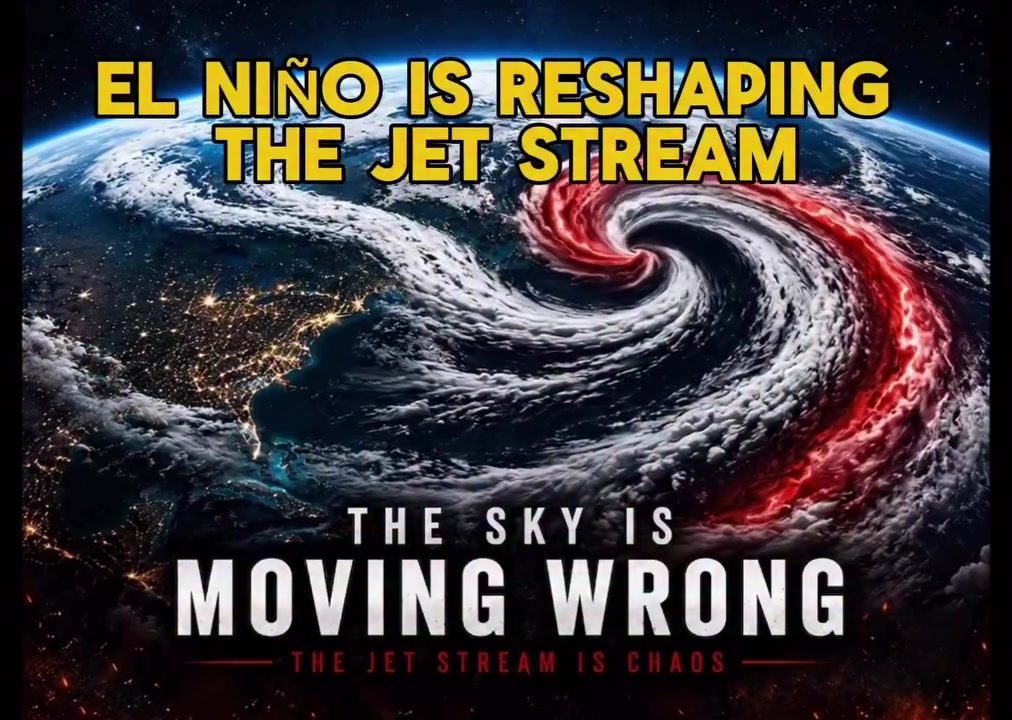
From Northern Vietnam's floods to India's saturating rains, it's clear the climate's impact on this particular September has been alarming. The signals are many, the impacts varied, yet the impact of climate change appears increasingly evident. That some are linked, such as those in Nepal, is as instructive as it is grim. Each face of nature is a story. Vietnam, for instance, is underwater. The relentless rain's power of destruction is well documented. Homes have shifted from cozy havens to watery tombs, roads are cut off, and crops wither. Even the most resilient crops are subject to the fury of relentless rain. In India, the impact is likewise severe: days of heavy rain have left the country on high alert. Models of climate change show with increasing certainty that extreme weather events will only grow more frequent. The deadly confluence of rain and glacial melt in Nepal offers one stark example. That the collapse in Langtang is linked to climate change leaves little to the imagination, warning us that our extreme weather events have only begun.
The Glaciers' Grievous Weakening
Climate change is more than a cause. It is a force. The weakening of the glaciers and permafrost involved in the deadly Langtang collapse is a testiment to that destructive force. The glaciers' weakening is a phenomenon that science now imminently links to climate change. This isn't just a crisis for Nepal. It's a world-wide crisis. The Himalayas are the Earth's third-largest store of ice. The rampant melting of Himalayan glaciers could dramatically alter their hydrology, impacting the water sources of millions. Glaciers, like sustained rain, are dynamic entities deeply affected by climate change.
Watch the Reel
Related deep dives
Similar reads based on topic and creator.

Recent articles
Fresh deep dives from the latest Reels we unpacked.

Comments
Be the first to comment.