Coastal Construction Projects and Their Role in Urban Development
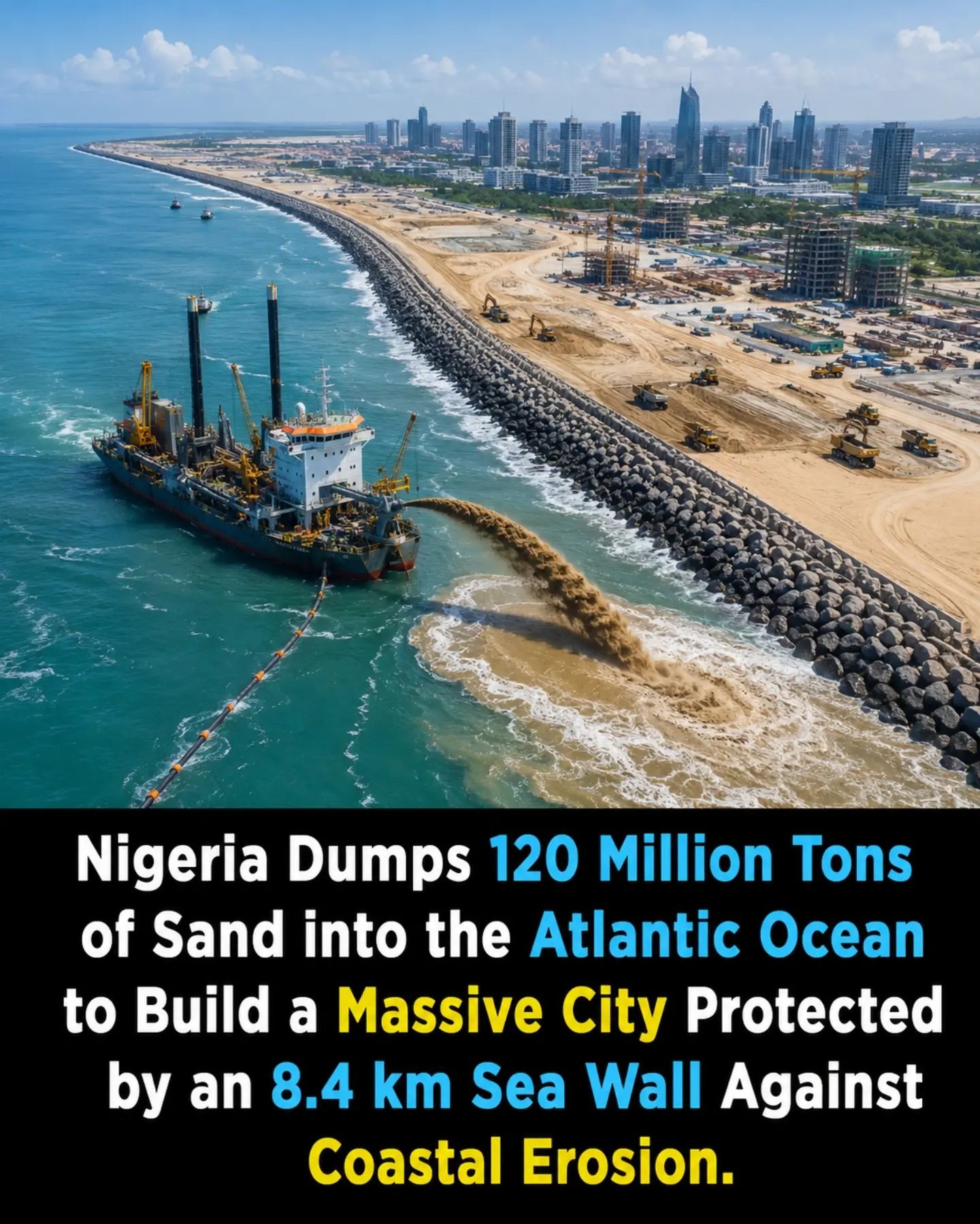
Understanding how coastal cities are built is crucial for urban planning and infrastructure development. On the coast of Nigeria, a major infrastructure project is underway. This initiative involves dumping 120 million tons of sand into the Atlantic Ocean to create a new land area. The goal of this project is to build a city protected by an 8.4-kilometer sea wall. This approach helps mitigate coastal erosion, a pressing issue for many coastal regions around the world. Let's delve into the details of this project and explore the broader implications for urban development.
Why Coastal Construction Projects Matter
Coastal construction projects are pivotal for urban development, especially in regions prone to erosion. These projects not only help in expanding urban areas but also play a crucial role in protecting existing infrastructure. By constructing sea walls and other protective measures, cities can mitigate the risks posed by rising sea levels and severe weather events. This is particularly important in countries like Nigeria, where coastal erosion is a significant challenge.
The Nigeria Coastal Construction Project
Project Overview
The coastal construction project in Nigeria is ambitious and multifaceted. The project involves dumping 120 million tons of sand to create a new land area. This newly formed land will be used to build a city, which will be protected by an 8.4-kilometer sea wall. This sea wall is designed to shield the city from coastal erosion and other environmental hazards.
The Role of Dredging
Dredging is a critical component of this project. Dredging involves the removal of sediment and debris from the ocean floor. This process helps in creating a stable foundation for the new land area. The dredger used in this project is a massive piece of machinery capable of handling large volumes of sand and sediment. The sand is then transported to the designated area, where it is dumped to form the new land.
The Sea Wall
The 8.4-kilometer sea wall is a vital part of the project. This structure is designed to protect the newly formed land from the forces of the Atlantic Ocean. The sea wall will help in mitigating coastal erosion, which is a significant issue in many coastal regions. By constructing a robust sea wall, the project aims to create a sustainable urban environment that can withstand the test of time.
Practical Tips for Similar Coastal Projects
Site Selection and Preparation
Selecting the right site for coastal construction is crucial. The site should be chosen based on factors such as the stability of the ocean floor, the depth of the water, and the proximity to other urban areas. Proper site preparation, including dredging and sediment removal, is essential for creating a stable foundation.
Environmental Considerations
Coastal construction projects have a significant impact on the environment. It is important to conduct thorough environmental impact assessments before starting the project. This includes studying the impact on marine life, water quality, and coastal ecosystems. Mitigation measures should be put in place to minimize environmental damage.
Use of Advanced Technology
Advanced technology can play a significant role in the success of coastal construction projects. Dredgers and other heavy machinery can significantly speed up the process and ensure precision. Additionally, satellite and drone technology can be used to monitor the progress of the project and identify any potential issues early on.
Important Takeaways
Coastal construction projects, like the one in Nigeria, are essential for urban development. They provide a solution to coastal erosion and help in expanding urban areas. Key takeaways from this project include:
- The importance of dredging in creating a stable foundation for new land areas.
- The role of sea walls in protecting coastal infrastructure.
- The need for thorough environmental impact assessments and mitigation measures.
- The use of advanced technology to ensure the success of the project.
Conclusion
Coastal construction projects are a testament to human ingenuity and innovation. They offer a solution to the challenges posed by coastal erosion and help in creating sustainable urban environments. The project in Nigeria is a prime example of how such initiatives can be executed effectively. By understanding the intricacies of this project, we can gain valuable insights into the future of coastal development and urban planning.
Watch the Reel
Questions readers ask
What is the primary goal of Nigeria's sea wall project along the Atlantic Ocean?
The primary goal is to protect a newly reclaimed land area from coastal erosion. The project involves constructing an 8.4-kilometer sea wall to shield the area from the Atlantic Ocean's forces, creating a foundation for a new city.
How does the Nigerian government plan to create new land along the coast?
The government plans to dump 120 million tons of sand into the Atlantic Ocean. This massive land reclamation effort will create a substantial land area for urban development.
What is the significance of the sea wall in Nigeria's coastal protection project?
The sea wall is crucial for defending the reclaimed land from the erosive forces of the Atlantic Ocean. It will help ensure the stability of the new city by mitigating coastal erosion.
What challenges is Nigeria addressing with its coastal construction project?
Nigeria is addressing significant challenges posed by coastal erosion. By constructing the sea wall and reclaimed land, the project aims to safeguard the new city and provide a practical solution to combat coastal erosion in the region.
What are the implications of Nigeria's coastal construction project for urban development?
This project serves as a model for other coastal regions facing similar challenges. It demonstrates how large-scale land reclamation and sea wall construction can support urban growth while protecting against erosion.
What role do sand dumping projects play in Nigeria's coastal development strategy?
Sand dumping projects are integral to Nigeria's strategy for creating new land along the coast. By using dredged sand to fill the ocean, the country can expand its coastal area, making way for urban development and infrastructure.
How does Nigeria's approach to combating coastal erosion differ from other regions?
Nigeria's approach involves a large-scale land reclamation project paired with a significant sea wall construction. The scale of this initiative—dumping 120 million tons of sand and building an 8.4-kilometer sea wall—sets it apart from other regional efforts.
Related deep dives
Similar reads based on topic and creator.




Recent articles
Fresh deep dives from the latest Reels we unpacked.




Comments
Be the first to comment.