Human Rights for Whales: A New Zealand Initiative
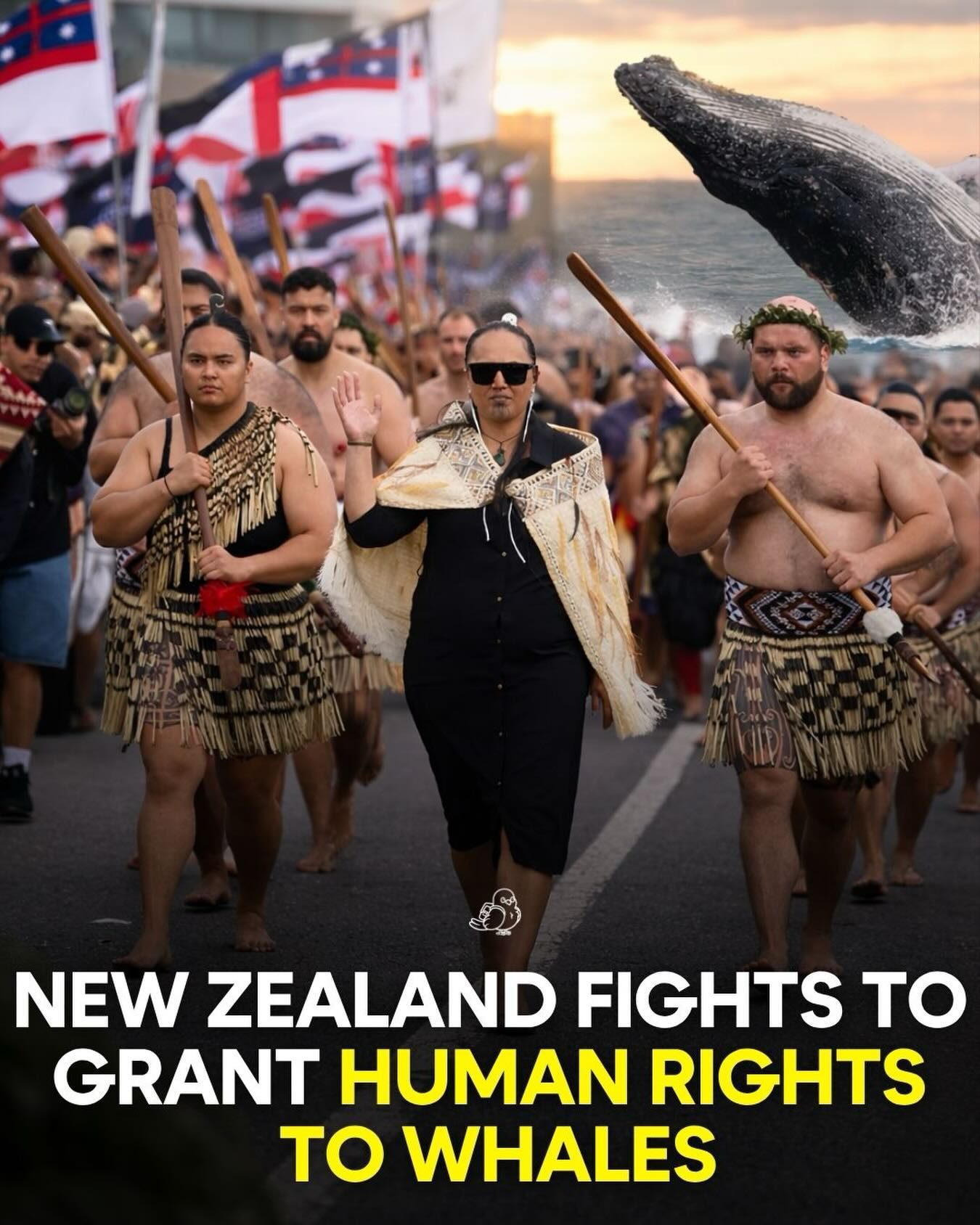
New Zealand is at the forefront of a groundbreaking movement: advocating for the recognition of whales as beings with legal rights, rather than merely resources. This initiative, depicted in a powerful cultural procession, aims to shift the global perspective on nature from ownership to protection. By granting personhood status to whales, New Zealand is pushing for stronger safeguards against hunting, pollution, and habitat destruction, effectively giving these majestic creatures a voice in the eyes of the law.
Why This Matters
The fight for whales' rights is part of a broader global movement that seeks to respect and protect nature, not just preserve it. This movement acknowledges that nature has intrinsic value and deserves legal recognition. If successful, this initiative could redefine conservation efforts worldwide, setting a precedent for how we interact with and protect the natural world.
Main Discussion
The Concept of Personhood for Whales
Granting personhood to whales means recognizing them as entities with inherent rights and the ability to live freely without human interference. This concept is already being applied to other parts of nature, such as rivers and forests. By extending these rights to whales, New Zealand is challenging the traditional view that nature exists solely for human use and benefit.
The Global Movement
This initiative is part of a growing global movement where nature is not just preserved but respected. The idea is to shift from a conservation approach that focuses on sustainability and preservation to a rights-based approach that recognizes nature's autonomy and dignity. This movement is gaining traction in various parts of the world, driven by the realization that nature deserves legal recognition and protection.
The Māori Connection
The cultural procession depicted in the visual highlights the involvement of the Māori people, who have a deep and respectful relationship with nature. Their participation underscores the importance of cultural perspectives in environmental activism. The Māori have long held a belief in the interconnectedness of all living things, making them natural allies in this fight for whales' rights.
Practical Tips
If you’re interested in supporting this initiative or similar efforts, here are some practical steps you can take:
Stay Informed
Keep up-to-date with the latest developments in the fight for whales' rights. Follow reliable sources and organizations that advocate for ocean conservation and animal rights.
Advocate and Raise Awareness
Spread the word about this movement. Share information with friends, family, and on social media. The more people who are aware of this initiative, the stronger the support will be.
Support Legal Efforts
Contribute to organizations and legal funds that are working to grant personhood status to whales. Your financial support can play a crucial role in advancing these efforts.
Engage in Local Conservation
Participate in local conservation efforts. This could include beach clean-ups, habitat restoration projects, or supporting local initiatives that aim to protect marine life.
Cultural Sensitivity
Respect and learn from indigenous perspectives on nature. Engage with local communities who have a deep understanding and respect for the environment, and support their efforts to protect it.
Important Takeaways
The fight for whales' rights is a bold and necessary step towards a more respectful and sustainable relationship with nature. By granting whales personhood status, New Zealand is challenging traditional views and setting a precedent for how we interact with and protect our natural world. This initiative is part of a broader global movement that recognizes nature's intrinsic value and deserves our support and attention. Whether through advocacy, legal efforts, or local conservation, there are many ways to get involved and make a difference.
Conclusion
The initiative to grant whales legal rights is a significant step forward in the global movement to respect and protect nature. By pushing for personhood status, New Zealand is challenging traditional views and setting a new standard for conservation efforts. This fight highlights the importance of cultural perspectives and the interconnectedness of all living things. Whether through advocacy, financial support, or local conservation efforts, there are many ways to get involved and contribute to this important cause.
Watch the Reel
Questions readers ask
What does New Zealand's initiative to grant whales legal rights entail?
New Zealand's initiative seeks to recognize whales as legal entities, granting them personhood status. This means whales would have the right to protection under the law, similar to how humans and some animals are protected, rather than being seen as mere resources. This shift aims to strongly safeguard whales from threats like hunting and pollution.
How will granting personhood to whales change conservation efforts?
By granting whales personhood, New Zealand aims to redefine conservation efforts. This shift would prioritize the intrinsic value of whales and their habitats, moving away from exploitative practices and towards respect and autonomy. This could set a precedent for how other nations approach marine life conservation.
What specific threats do whales face that this initiative aims to address?
New Zealand's initiative targets major threats to whales, including hunting, pollution, and habitat destruction. By recognizing whales as legal entities, the initiative seeks to enforce stronger protections against these dangers, ensuring whales have a voice in legal matters that affect their survival.
How does New Zealand's initiative align with global conservation efforts?
New Zealand's push for whale legal rights is part of a broader global movement that advocates for the intrinsic value of nature. This initiative aligns with worldwide efforts to protect marine life and oceans, promoting a shift in perspective from ownership to protection and respect for all marine species.
What role does New Zealand play in advocating for marine life conservation?
New Zealand is a leader in advocating for marine life conservation, particularly through its initiative to recognize whales as legal entities. This push aims to inspire global change by setting an example of how nations can redefine their approach to conservation and protect marine species from exploitation and harm.
What are the potential impacts of granting legal rights to whales on global policy?
Granting legal rights to whales could significantly influence global policy by encouraging other countries to adopt similar protections for marine life. This initiative could lead to stronger international laws against whale hunting, pollution, and habitat destruction, fostering a more respectful and autonomous relationship with marine species.
Why does New Zealand believe in pushing for whale personhood?
New Zealand believes that by granting whales personhood, they acknowledge the intrinsic value of these creatures and their habitats. This recognition shifts the focus from exploitation to respect and autonomy, ensuring that whales are protected under the law and have a voice in matters that affect their survival and well-being.
Related deep dives
Similar reads based on topic and creator.




Recent articles
Fresh deep dives from the latest Reels we unpacked.




Comments
Be the first to comment.