Data Center Construction on Federal Public Lands
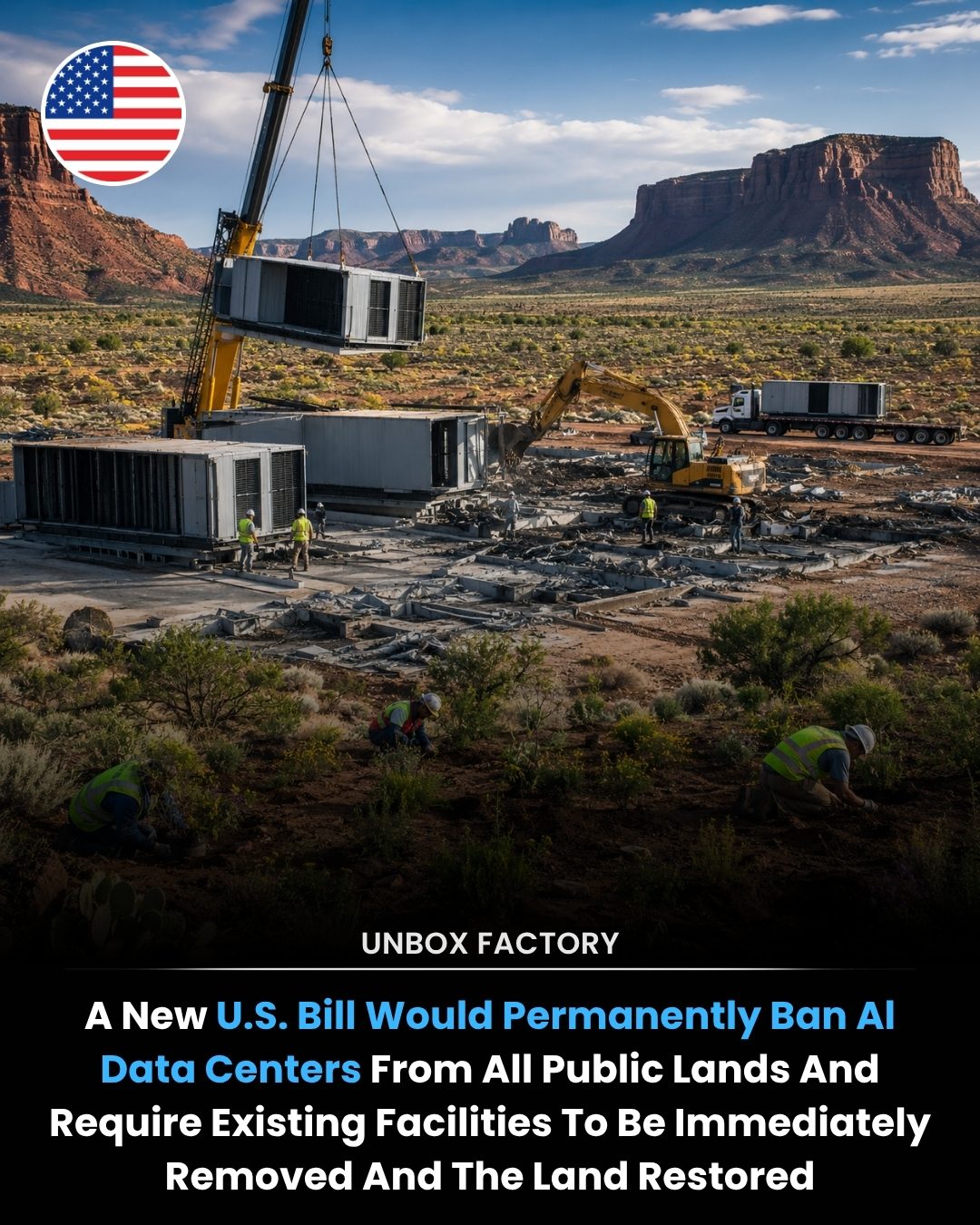
Data center construction, particularly for AI infrastructure, is under scrutiny in the United States. New legislation proposed in the U.S. Congress aims to prohibit future AI data center construction on federal public lands. This bill also mandates the removal of existing facilities and the restoration of affected land to its original condition. The proposal addresses growing concerns over the significant energy and water demands of hyperscale AI facilities.
Why This Matters
The debate surrounding data center construction on public lands is multifaceted. It involves balancing the rapid expansion of AI infrastructure with environmental protection and responsible land management. AI data centers, especially those designed for hyperscale operations, have enormous power and water requirements. These facilities can demand anywhere from 500 megawatts to over 1 gigawatt of electricity, enough to power hundreds of thousands of homes. Additionally, they may consume millions of gallons of water daily for cooling purposes.
Environmental Impact
The environmental footprint of data centers is substantial. Water usage and energy consumption are primary concerns. Large data centers can consume vast amounts of water for cooling, which can strain local water resources. Energy demands are equally significant, often requiring massive power supplies that can contribute to carbon emissions. These environmental impacts are driving the push for more sustainable practices in data center construction and operation.
Land Use and Restoration
The proposed bill reflects a broader debate on land use and restoration. Federal public lands are often targeted for data center construction due to their availability and potential cost savings. However, these lands are also valuable for conservation, recreation, and other public uses. The legislation aims to ensure that any land used for data centers is restored to its natural state once the facilities are removed, mitigating long-term environmental damage.
Main Discussion
Provisions of the Bill
The proposed bill includes several key provisions:
- Ban on New Construction: It permanently bans the construction of new AI data centers on federal public lands. This provision aims to protect these areas from further development while encouraging more sustainable land-use practices.
- Removal of Existing Facilities: The bill requires the immediate removal of existing data centers on federal public lands. This step is crucial for restoring the environment and ensuring that the land is available for other uses.
- Land Restoration: The proposal mandates the restoration of affected lands to their original condition. This involves not just the removal of physical structures but also the rehabilitation of the natural environment, including vegetation and wildlife habitats.
Energy and Water Consumption
AI data centers are notorious for their high energy and water consumption. The vast amounts of power required to operate these facilities can strain local power grids and contribute to greenhouse gas emissions. Similarly, the water needed for cooling can deplete local water resources, especially in arid regions where water is already scarce. The proposed bill aims to address these issues by limiting the construction of new data centers on public lands, thus reducing their overall environmental impact.
Alternative Solutions
As the debate over data center construction continues, several alternative solutions are being explored:
- Repurposing Existing Infrastructure: Instead of building new facilities, companies could repurpose existing infrastructure to accommodate AI data centers. This approach reduces the need for new land use and minimizes environmental impact.
- Sustainable Designs: Data centers can be designed with sustainability in mind, incorporating renewable energy sources, water-efficient cooling systems, and other eco-friendly technologies. These designs can help mitigate the environmental impact of data centers while meeting the growing demand for AI infrastructure.
- Private Lands: Encouraging data center construction on private lands rather than federal public lands can also be a viable solution. This approach allows for more flexible land-use practices and can help protect public lands for conservation and recreation.
Practical Tips
For companies and policymakers involved in data center construction, several practical tips can help navigate the current landscape:
- Conduct Comprehensive Environmental Impact Assessments: Before constructing a data center, it is crucial to conduct thorough environmental impact assessments. These assessments should evaluate the potential impacts on water resources, energy consumption, and local ecosystems.
- Invest in Sustainable Technologies: Data centers should invest in sustainable technologies, such as renewable energy sources and water-efficient cooling systems. These technologies can help reduce the environmental footprint of data centers while ensuring their operational efficiency.
- Engage with Local Communities: Engaging with local communities and stakeholders is essential for responsible land management. This engagement can help identify potential challenges and opportunities, ensuring that data center construction aligns with local needs and priorities.
Important Takeaways
The proposed legislation represents a significant shift in how AI data centers are constructed and managed on federal public lands. It highlights the need for balancing technological advancement with environmental protection and sustainable land use. Key takeaways include:
- Environmental Impact: Data centers have a substantial environmental footprint, requiring massive amounts of energy and water.
- Land Use and Restoration: Restoring affected lands to their natural state is crucial for mitigating long-term environmental damage.
- Alternative Solutions: Repurposing existing infrastructure, sustainable designs, and constructing on private lands can provide viable alternatives to building new data centers on public lands.
Conclusion
The proposed legislation to ban AI data center construction on federal public lands reflects a growing awareness of the environmental impacts of these facilities. The bill aims to balance the need for AI infrastructure expansion with environmental protection and responsible land management. By understanding the provisions of the bill, the environmental impacts, and alternative solutions, companies and policymakers can navigate this changing landscape effectively. This approach ensures that technological advancements do not come at the cost of environmental sustainability.
Watch the Reel
Questions readers ask
What specific actions does the new U.S. bill propose regarding AI data centers on federal public lands?
The bill aims to prohibit the construction of new AI data centers on federal public lands and requires the removal of existing facilities. Additionally, it mandates the restoration of affected lands to their original condition, addressing the environmental impact of these operations.
Why is there a push to ban AI data center construction on public lands?
The push is driven by concerns over the significant energy and water demands of AI data centers, which can have substantial environmental impacts. The goal is to balance the growth of AI infrastructure with environmental protection and responsible land management.
What are the energy and water demands of hyperscale AI facilities?
Hyperscale AI facilities require vast amounts of energy to power their operations and substantial water resources for cooling systems. These demands can strain local resources and contribute to environmental degradation.
How does the new legislation address the environmental impact of AI data centers?
By prohibiting new construction and mandating the removal of existing facilities on federal public lands, the legislation seeks to mitigate the environmental impact of AI data centers. It also aims to restore affected lands, promoting environmental protection.
What happens to the land after an AI data center is removed?
The legislation requires that the land be restored to its original condition after the removal of an AI data center. This includes ecological restoration and ensuring that the land can return to its natural state or be used for other designated purposes.
Are there any exemptions to the proposed ban on AI data center construction?
The provided article does not specify any exemptions. The bill, as presented, aims to prohibit all new AI data center construction on federal public lands, regardless of the specific circumstances or potential benefits.
What are the next steps for this legislation in the U.S. Congress?
The next steps involve the legislative process, including debate, potential amendments, and voting in both the House of Representatives and the Senate. If passed, the bill would then go to the President for approval or veto. The process can take time and may involve public input and stakeholder engagement.
Related deep dives
Similar reads based on topic and creator.



Recent articles
Fresh deep dives from the latest Reels we unpacked.


Comments
Be the first to comment.