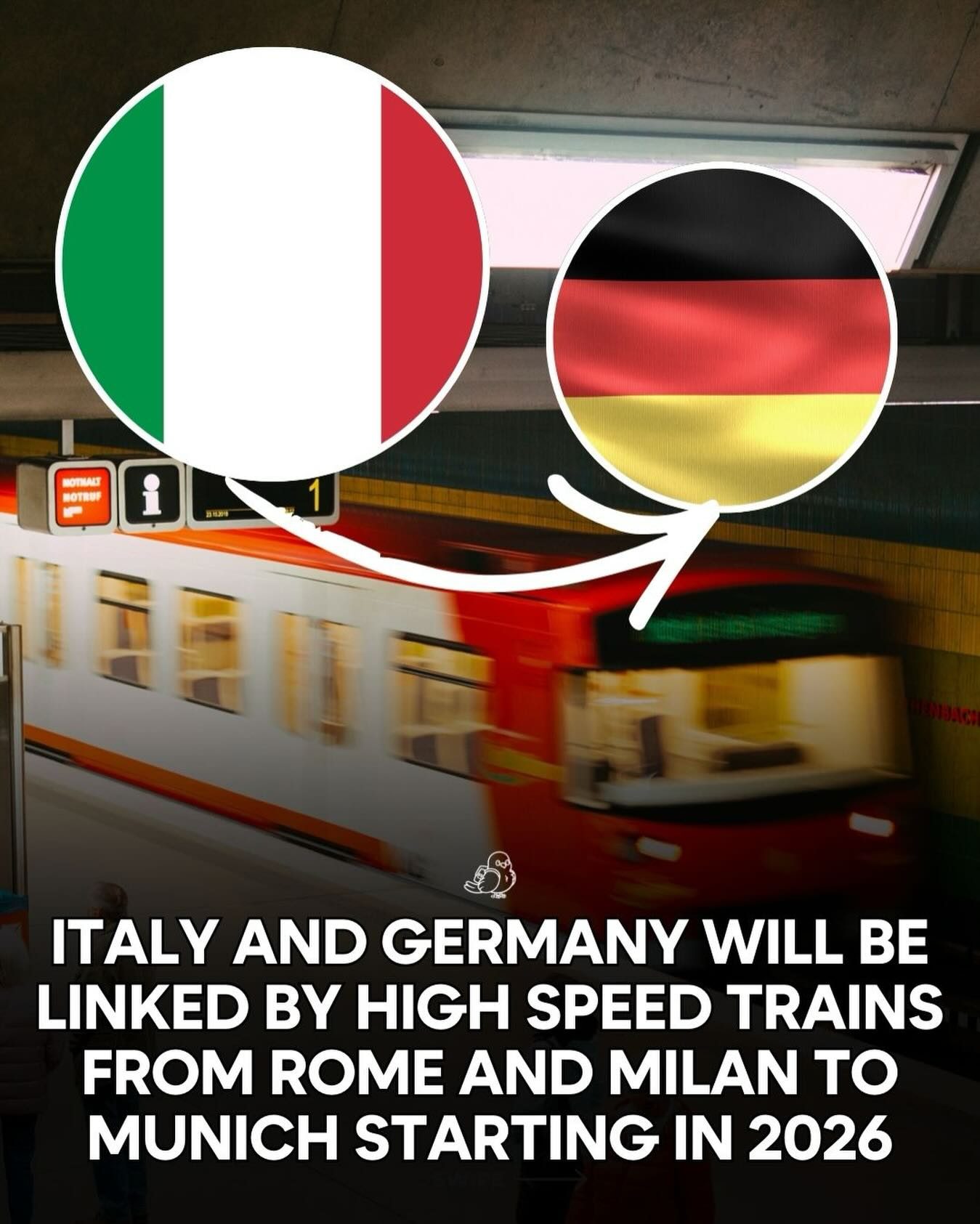
High-Speed Train Connection: Italy and Germany Link Up
The upcoming high-speed train connection between Italy and Germany is set to revolutionize travel across Europe. Starting in December 2026, direct high-speed Frecciarossa trains will connect Rome and Milan to Munich with no transfers needed. This development is a result of a historic partnership between Trenitalia (FS), Deutsche Bahn (DB), and ÖBB, offering a greener, more scenic alternative to flying.
Why This Matters
The introduction of direct high-speed trains between Italy and Germany will significantly impact travel times and sustainability. The convenience of direct routes and reduced travel times will benefit both tourists and business travelers. Additionally, the environmental benefits of choosing rail over air travel cannot be overstated. This connection is part of a broader European initiative to create a more interconnected and sustainable rail network.
Environmental Impact
The environmental benefits of high-speed rail over air travel are substantial. Trains produce significantly fewer greenhouse gas emissions per passenger than airplanes. By choosing to travel by train, passengers contribute to a reduction in their carbon footprint. The route via Austria not only offers a more eco-friendly way to travel, but also provides stunning scenic views, making the journey as enjoyable as the destination.
Economic and Tourism Benefits
This new connection will have a positive impact on the local economies of the cities involved. Increased train travel will likely boost tourism, as visitors from one country can more easily explore the other. Milan and Rome are already popular tourist destinations, and Munich, with its rich history and cultural attractions, will also see an influx of visitors. Additionally, business travelers will find it easier to conduct business across borders, fostering economic growth and collaboration.
Travel Times and Routes
The new direct services will offer the following routes and travel times:
- Milan to Munich – approximately 6½ hours
- Rome to Munich – approximately 8½ hours
These travel times are competitive with air travel, but without the associated hassles of airport security, check-in, and boarding. Future plans also include extensions of these routes to Berlin and Naples by 2028, further expanding the reach of this high-speed rail network.
The Journey and Experience
The journey on the Frecciarossa high-speed trains promises to be both comfortable and scenic. The sleek, modern trains offer a smooth and quiet ride, allowing passengers to relax and enjoy the views. The efficient design of the trains, coupled with frequent service schedules, ensures that travelers can reach their destinations quickly and comfortably.
Travelers will be able to choose from a variety of seating options, including first and second-class compartments, as well as specially designed areas for business travelers. The trains will also offer onboard dining options, providing passengers with a range of meal and beverage choices. Frecciarossa trains are known for their sustainability, energy efficiency, and comfortable amenities, making long-distance travel a pleasant experience.
The Route
The route from Rome and Milan to Munich will take passengers through the heart of Europe, with stunning views of the Alps and other scenic landscapes. The journey via Austria will provide a unique cultural experience, allowing travelers to see the diversity of the European countryside. The trains will pass through iconic cities and towns, offering a glimpse into the rich history and culture of the regions.
The Partnership and Future Plans
The historic partnership between Trenitalia (FS), Deutsche Bahn (DB), and ÖBB is a significant step toward a more integrated and sustainable European rail network. These three leading European railway companies are working together to improve connectivity, reduce travel times, and offer a more comfortable and eco-friendly travel experience. This collaboration is part of a broader European initiative to create a comprehensive, high-speed rail network that connects major cities and regions.
Future Extensions
The future plans include extending these high-speed rail services to Berlin and Naples by 2028. These extensions will further enhance the connectivity of Europe, making it easier for travelers to explore more destinations. The inclusion of Berlin, a bustling capital city, and Naples, a historic and cultural hub, will greatly benefit from the enhanced access to Europe's high-speed rail network.
Important Takeaways
This new high-speed train connection is a significant step toward creating a more sustainable and interconnected Europe. Here are the key points to remember:
- Sustainability: High-speed rail travel significantly reduces greenhouse gas emissions compared to air travel, making it a greener option for long-distance journeys.
- Convenience: Direct routes with no transfers needed will make travel faster, more comfortable, and less stressful.
- Cultural Experience: The journey through Austria offers a rich cultural and scenic experience, enhancing the overall travel experience.
- Economic Impact: Increased train travel will benefit local economies, boosting tourism and business opportunities.
- Future Connectivity: Extensions to Berlin and Naples by 2028 will further enhance the reach and appeal of this high-speed rail network.
Conclusion
The upcoming high-speed train connection between Italy and Germany is a game-changer for travel in Europe. With direct routes, reduced travel times, and a more sustainable mode of transport, these new services will offer a greener, more scenic, and comfortable alternative to flying. As Europe continues to develop its high-speed rail network, travelers can look forward to a more interconnected and environmentally friendly way to explore the continent.
Watch the Reel
Questions readers ask
When will the direct high-speed trains between Rome and Munich start operating?
The direct high-speed trains between Rome and Munich are scheduled to commence operations in December 2026.
Which cities will the high-speed trains connect besides Rome and Munich?
Besides Rome and Munich, the high-speed trains will also connect Milan, making it a part of the direct route to Munich.
What are the environmental advantages of choosing the train over air travel for this route?
Opting for the train over air travel for this route significantly reduces your carbon footprint. The new service offers a much greener alternative, contributing to a more eco-friendly travel experience.
What companies are working together to provide this high-speed train service?
The high-speed train service is a result of a partnership between Trenitalia (FS) from Italy, Deutsche Bahn (DB) from Germany, and ÖBB from Austria.
What are the benefits of direct train travel over flying for tourists and business travelers?
Direct train travel offers convenience, time savings, and a more scenic journey. Both tourists and business travelers will benefit from the reduced travel times and the ability to avoid airport hassles and flight delays.
What are the benefits of direct train travel over flying for backpackers?
Direct train travel allows backpackers to have a more scenic and eco-friendly journey between Rome and Munich, while also saving them the hassle of airport transfers, check-ins, and security checks.
How do I book a ticket for the high-speed train between Rome and Munich?
Ticket booking information will be available closer to the launch date in December 2026. You can check the official websites of Trenitalia, Deutsche Bahn, and ÖBB for updates and booking details.
Related deep dives
Similar reads based on topic and creator.




Recent articles
Fresh deep dives from the latest Reels we unpacked.



Comments
Be the first to comment.