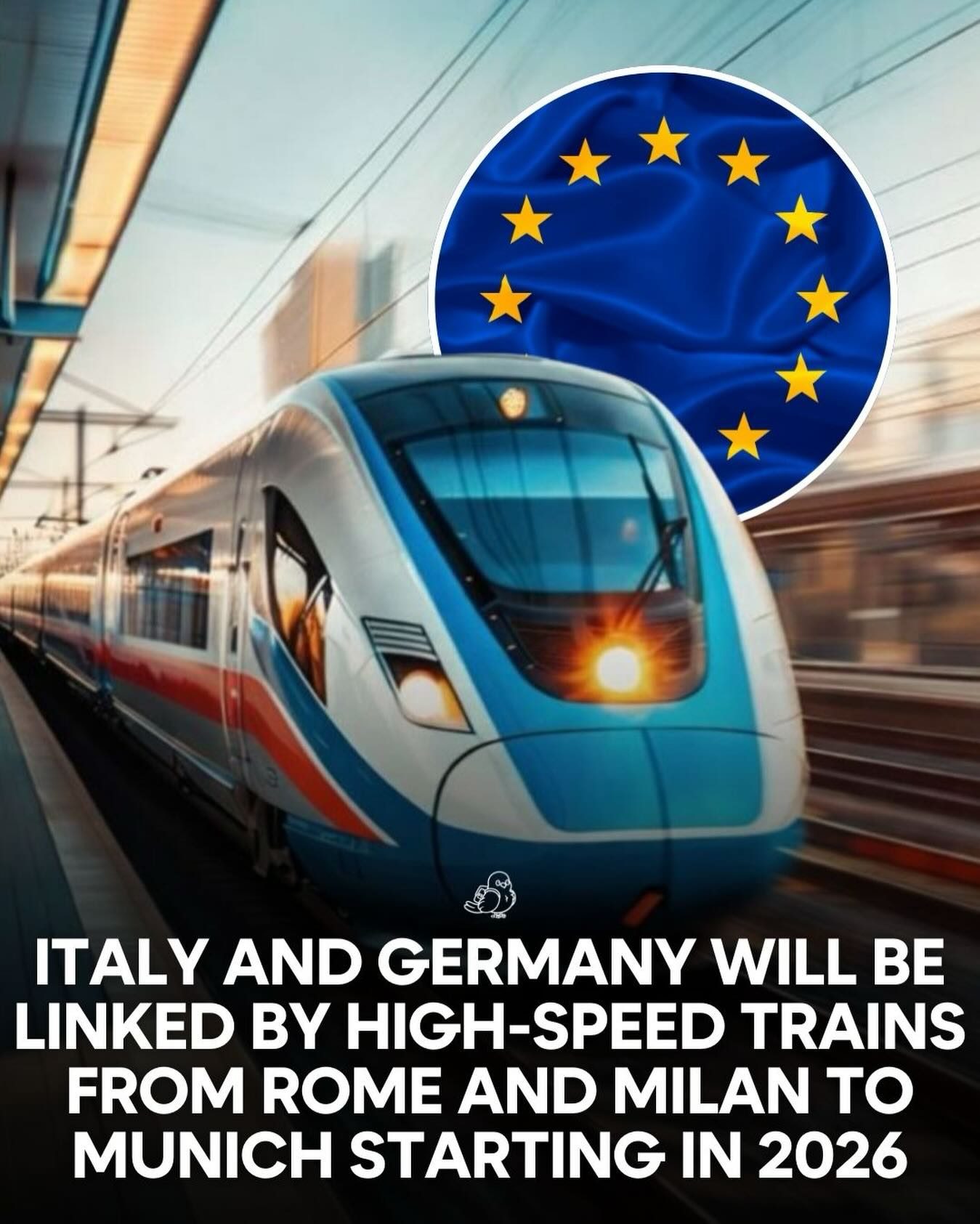
High-Speed Rail Expansion: Connecting Italy and Germany in 2026
The European Union is set to enhance its rail infrastructure with a new cross-border high-speed train service linking Italy and Germany. This ambitious project will provide direct routes from Rome and Milan to Munich, scheduled to commence in 2026. The initiative is part of a broader effort to expand sustainable rail travel and improve long-distance connections between major European cities.
Context / Why this matters
Climate Change and Sustainable Travel
Sustainable travel is becoming increasingly important in the face of climate change, and this high-speed rail link is a significant step forward. By offering a more eco-friendly alternative to short-haul flights, the new service will help reduce carbon emissions and promote greener transportation options.
Economic and Cultural Benefits
The new rail service will make it easier for travelers to move between Southern and Central Europe without changing trains, boosting tourism, business travel, and regional connectivity. This seamless travel experience will not only enhance economic ties but also foster cultural exchange between the regions.
Technological Advancements
The route will feature modern high-speed rolling stock equipped with onboard amenities and seamless ticketing across countries. These advancements will make long-distance travel more comfortable and convenient for passengers.
Main discussion
Route and Connectivity
The high-speed train route will connect Rome and Milan in Italy to Munich in Germany, passing through the Alps via Austria. This scenic journey will offer passengers a unique travel experience while significantly reducing travel times compared to current rail options.
Environmental Impact
By providing a viable alternative to short-haul flights, the new rail service will contribute to a reduction in carbon emissions. This makes it a more environmentally friendly choice for travelers concerned about their carbon footprint.
Technological and Logistical Improvements
The new service is expected to feature cutting-edge technology, including modern high-speed rolling stock and onboard amenities. Seamless ticketing across countries will also enhance the overall travel experience, making it more convenient for passengers.
Economic and Tourism Boosters
The direct routes will boost tourism, business travel, and regional connectivity. Travelers will be able to move between Southern and Central Europe more efficiently, fostering economic growth and cultural exchange. This enhanced mobility will have positive effects on local economies, businesses, and tourism industries.
Infrastructure and Innovation
The project is part of a broader European push to expand sustainable rail travel. This includes significant improvements in infrastructure, including the modernization of existing rail networks and the construction of new high-speed lines. Such advancements will not only enhance connectivity but also promote innovation in the rail industry.
Practical tips
Planning Your Trip
When planning a trip along this new high-speed rail route, consider the following tips:
- Book Early: Reserve your seats in advance to secure the best prices and availability.
- Explore Connections: Make the most of your journey by exploring stops along the way, such as in Austria or other scenic areas.
- Check Amenities: Review the onboard amenities and services offered to ensure a comfortable travel experience.
Making the Most of Onboard Amenities
Most high-speed trains offer various amenities to make your journey more comfortable. These can include:
- Wi-Fi Connectivity: Stay connected throughout your journey.
- Dining Options: Enjoy onboard meals and refreshments.
- Seating Comfort: Choose from different seating options for maximum comfort.
Navigating Ticketing
Seamless ticketing across countries will be a significant advantage for travelers. Here are some tips to navigate the ticketing process:
- Digital Tickets: Utilize digital tickets for convenience and ease of use.
- Multi-Country Passes: Consider multi-country passes if you plan to travel extensively within Europe.
- Loyalty Programs: Check for loyalty programs that offer discounts and perks for frequent travelers.
Important takeaways
- Sustainable Travel: The new high-speed rail service offers a greener alternative to short-haul flights, contributing to climate change mitigation.
- Convenience and Comfort: Modern high-speed rolling stock and onboard amenities will provide a comfortable and convenient travel experience.
- Economic and Cultural Exchange: Enhanced connectivity will foster economic growth and cultural exchange between Southern and Central Europe.
- Seamless Ticketing: Easy and efficient ticketing processes will make travel more convenient for passengers.
Conclusion
The upcoming high-speed rail link between Italy and Germany is a significant development in sustainable travel and infrastructure. By offering direct routes from Rome and Milan to Munich, this project will not only reduce travel times but also promote eco-friendly transportation. With modern amenities and seamless ticketing, the new service is poised to enhance connectivity, economic growth, and cultural exchange across Europe. As the start date approaches, travelers and businesses alike can look forward to a more efficient and enjoyable journey through the heart of Europe.
Watch the Reel
Questions readers ask
What cities will the new high-speed rail service connect in Italy and Germany?
The new high-speed rail service will connect Rome and Milan in Italy to Munich in Germany, providing direct routes between these major European cities.
What is the expected start date for the high-speed rail service between Italy and Germany?
The new high-speed rail service is scheduled to commence in 2026, offering a more eco-friendly alternative to short-haul flights.
How does this high-speed rail project contribute to sustainability?
The project aims to reduce carbon emissions by providing a viable alternative to short-haul flights, making travel between major European cities more eco-friendly.
What other benefits does this high-speed rail service offer besides eco-friendliness?
This high-speed rail service not only reduces carbon emissions but also improves travel efficiency, enhancing connections between major European cities, and supporting backpacking and leisure travel.
How does this new high-speed rail service fit into the broader European rail network?
This new service is part of a broader EU initiative to expand high-speed rail networks across Europe. It will add to the existing Euro high-speed train options, making trans-European travel more convenient and accessible.
Related deep dives
Similar reads based on topic and creator.




Recent articles
Fresh deep dives from the latest Reels we unpacked.




Comments
Be the first to comment.