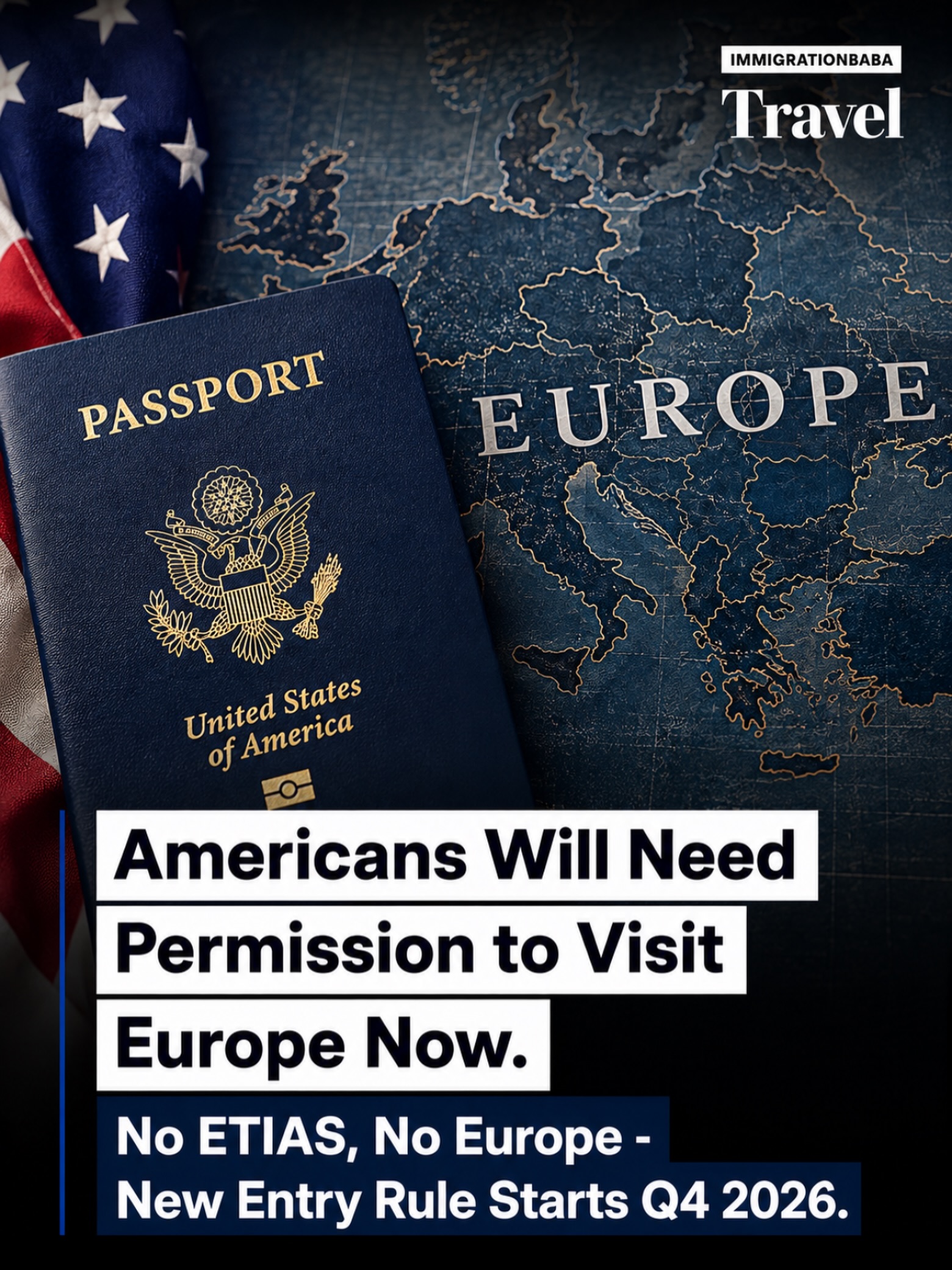
Europe Travel Requirements for Americans
Starting in the fourth quarter of 2026, Americans will need a new type of permission to visit Europe. This new requirement, known as ETIAS, will affect travelers wishing to visit the 27 member countries of the European Union. ETIAS stands for the Electronic System for Travel Authorization, a new travel authorization program. Here’s what you need to know.
What is ETIAS?
ETIAS is an electronic travel authorization system being implemented by the European Union. The system is designed to improve security and streamline travel for visitors who do not require a visa to enter the Schengen Area. The Schengen Area includes 26 European countries that have abolished passport controls at their mutual borders, enabling passport-free travel. If you are an American citizen, you will need to apply for ETIAS before traveling to any of these countries.
Why This Matters
Enhanced Security
The European Union wants to strengthen its security measures by pre-screening travelers before they arrive. ETIAS will allow authorities to assess potential risks and ensure that travelers are not a threat to public safety. This pre-screening process will help identify individuals who may pose a security risk, thereby enhancing the overall safety of European countries.
Streamlined Travel
While the ETIAS authorization might seem like an added step, it is designed to make travel smoother for eligible visitors. Travelers will be able to complete the ETIAS application process online, which is expected to be quick and straightforward. Once approved, the ETIAS authorization will be valid for multiple entries over a period of three years or until the traveler’s passport expires, whichever comes first.
No Visa Required for Short-Stay Travel
For Americans, ETIAS will replace the current visa-free travel arrangement for stays of up to 90 days within a 180-day period. This means that if you plan to visit Europe for tourism, business, or transit without staying for extended periods, you will not need to apply for a traditional visa. Instead, you will need to obtain ETIAS authorization, which is expected to be simpler and faster.
Different from ESTA
ETIAS is modeled after the Electronic System for Travel Authorization (ESTA) used for travel to the United States. Just like ESTA, ETIAS will allow pre-screening of travelers before they arrive in the European Union. This will help in identifying potential security risks and streamlining the entry process. The application process for ETIAS is expected to be similar to ESTA, making it familiar to those who have traveled to the United States.
Main Discussion
Eligibility for ETIAS
ETIAS will be required for citizens of countries that do not require a visa to enter the Schengen Area. This includes citizens of the United States, Canada, Australia, New Zealand, and many other countries. If you are a passport holder from any of these countries, you will need to apply for ETIAS before traveling to Europe.
Application Process
The application process for ETIAS will be completed online. Travelers will need to fill out an application form with personal information, passport details, and answers to a series of security and health-related questions. The application fee is expected to be around €7, which is approximately $7.40 USD, and will be valid for three years or until the passport expires.
Approval and Validity
Once approved, the ETIAS authorization will be electronically linked to the traveler’s passport. There is no need to carry a physical document, as airports and border control authorities will have access to the authorization. The ETIAS authorization will be valid for multiple entries within the three-year period or until the passport expires, whichever comes first. This means that travelers can enter and exit the Schengen Area multiple times during the validity period without needing to reapply.
Impact on Travel Plans
For frequent travelers, ETIAS will have a significant impact on travel planning. Travelers will need to apply for ETIAS at least 72 hours before their intended travel date. It is recommended to apply well in advance to avoid any last-minute delays or issues. Once approved, the authorization will allow for seamless travel within the Schengen Area, making it easier to plan multiple trips and layovers.
Practical Tips
Apply Early
One of the most important tips for travelers is to apply for ETIAS well in advance of their travel date. While the system is designed to be efficient, there may be delays or complications that could affect your travel plans. Applying early will give you enough time to resolve any issues and ensure that your authorization is in place before you set off on your journey.
Check Eligibility
Before applying, double-check your eligibility for ETIAS. While most citizens of visa-free countries will be eligible, it is essential to confirm the requirements and ensure that you meet all the criteria.
Gather Necessary Documents
When applying for ETIAS, you will need to have your passport and other necessary documents ready. Make sure your passport is valid for at least three months beyond your intended stay and that you have all the required information handy.
Provide Accurate Information
During the application process, it is crucial to provide accurate and truthful information. Any discrepancies or inaccuracies could lead to delays or even rejection of your application. Double-check all the details before submitting your application.
Keep Track of Validity
Once you receive your ETIAS authorization, keep track of its validity. Remember that the authorization is linked to your passport, and you will need to reapply if you get a new passport or if the authorization expires. This will ensure that you are always compliant with the travel requirements.
Stay Informed
Stay informed about any updates or changes to the ETIAS program. The European Union may introduce new requirements or modify existing ones, so it is essential to stay up-to-date with the latest information. Regularly check the official ETIAS website or contact immigration authorities for the most current details.
Plan for Multiple Entries
ETIAS allows for multiple entries within the validity period. If you plan to visit multiple countries within the Schengen Area, make sure to plan your itinerary accordingly. Remember that you will need to stay within the 90-day limit within a 180-day period for each entry.
Important Takeaways
- Americans will need to apply for ETIAS to visit Europe starting in Q4 2026.
- ETIAS is an electronic travel authorization system designed to enhance security and streamline travel.
- The application process will be completed online, and the authorization will be valid for three years or until the passport expires.
- ETIAS will replace the current visa-free travel arrangement for stays of up to 90 days within a 180-day period.
- It is important to apply for ETIAS well in advance of your travel date to avoid any delays or issues.
Conclusion
Starting in the fourth quarter of 2026, Americans will need to obtain ETIAS authorization to visit Europe. This new travel authorization system is designed to enhance security and streamline travel for eligible visitors. By understanding the requirements, application process, and benefits of ETIAS, travelers can ensure a smooth and hassle-free journey to the European Union.
Watch the Reel
Questions readers ask
What is ETIAS and why is it being implemented?
ETIAS, or the Electronic System for Travel Authorization, is an online screening process for travelers visiting the 26 European countries in the Schengen Area. The European Union is implementing it to enhance security and streamline travel for visa-exempt visitors, including Americans, starting in late 2026.
Which countries will require Americans to have ETIAS?
Americans will need ETIAS to visit any of the 27 member countries of the European Union, which includes the 26 countries in the Schengen Area and additional EU countries, such as Ireland.
If I have a valid American passport, do I still need ETIAS to visit Europe in 2026?
Yes, starting in late 2026, all American passport holders will need to obtain ETIAS for visits to EU member countries, regardless of the duration of their visit.
How can Americans apply for ETIAS?
Americans can apply for ETIAS online through the official ETIAS website. The application process will involve filling out a form with personal and passport details, answering a series of background questions, and paying a processing fee.
What is the processing time for an ETIAS application?
The processing time for an ETIAS application is expected to be relatively quick, with most applications being approved within minutes. However, it is recommended to apply at least 72 hours before travel to account for any potential delays.
Will ETIAS replace the need for a visa?
No, ETIAS is not a visa. It is an electronic travel authorization for visa-exempt visitors. If your passport or travel document is valid and you are eligible, you may not need a visa, but you will still require ETIAS. If you require a visa, you will still need to apply for one.
How long is an ETIAS authorization valid for?
Once approved, an ETIAS authorization will be valid for three years or until your passport expires, whichever comes first. It allows for multiple entries into the Schengen Area, with each stay not exceeding 90 days within a 180-day period.
Related deep dives
Similar reads based on topic and creator.




Recent articles
Fresh deep dives from the latest Reels we unpacked.




Comments
Be the first to comment.