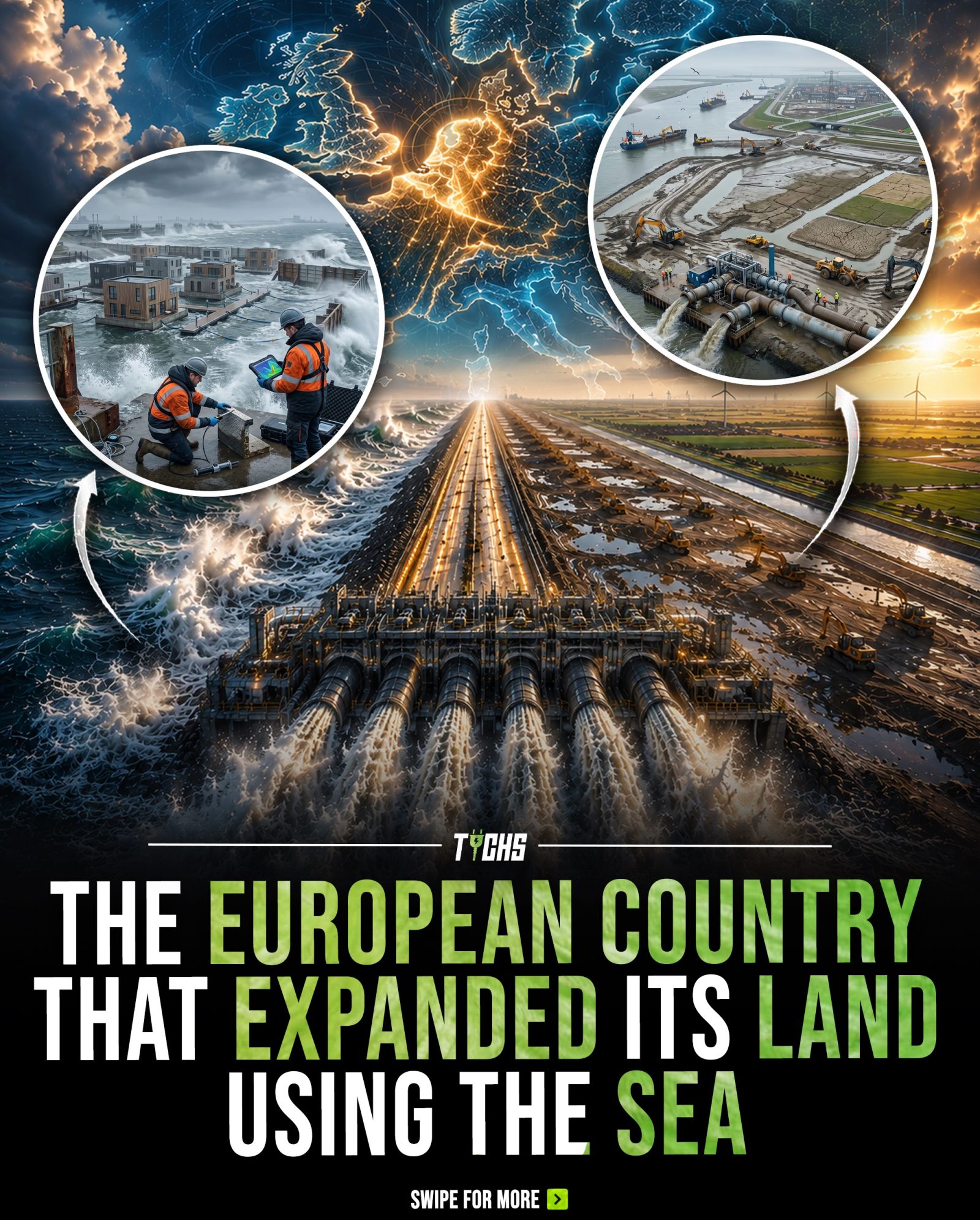
Netherlands Land Reclamation
The Netherlands has long been a marvel of human ingenuity, particularly in its innovative approaches to managing water and reclaiming land from the sea. Through a combination of traditional methods and cutting-edge engineering, the Dutch have transformed a significant portion of their country from seawater into habitable and arable land.
Why This Matters
The Netherlands is a low-lying country, with much of its land sitting below sea level. This unique geographical challenge has necessitated innovative solutions to prevent flooding and create new land. The methods and technologies developed in the Netherlands offer valuable insights into how other coastal regions around the world can adapt to rising sea levels and climate change.
Land Reclamation: From Windmills to Modern Infrastructure
Historical Methods
For centuries, the Dutch have employed a variety of techniques to reclaim land from the sea. One of the most iconic methods is the use of windmills. Historically, these windmills were used to pump water out of low-lying areas, allowing the land to dry out and become suitable for agriculture or urban development. These structures are a testament to the Dutch spirit of innovation and resilience, and they remain an important part of the country's cultural heritage.
Modern Engineering Feats
Today, the Netherlands continues to lead the way in land reclamation and water management. Modern flood control systems, sophisticated dams, and advanced water management technologies are used to protect the country from rising sea levels and severe weather events. These systems are crucial for maintaining the integrity of the land and ensuring the safety of its inhabitants.
One of the most notable examples is the Delta Works, a series of construction projects designed to protect the country from flooding. This massive engineering project includes a network of barriers, sluices, locks, and dikes that work together to control water levels and prevent catastrophic flooding. The Delta Works is a prime example of how engineering can be used to manage natural threats and create sustainable solutions.
The Role of Dutch Engineers
Dutch engineers have long been at the forefront of water management and land reclamation. Their expertise in building protective barriers and creating new land has been instrumental in shaping the country's landscape. Over the centuries, Dutch engineers have drained seabeds, built protective barriers, and created entire provinces, cities, farms, and infrastructure in regions that naturally sit below sea level. Their work continues to be vital in protecting the Netherlands from the constant threat of flooding and rising sea levels.
The Importance of Bicycle Culture
In addition to their engineering feats, the Netherlands is known for its strong bicycle culture. Bicycles dominate transportation across the country, providing a sustainable and efficient way to get around. This emphasis on cycling not only reduces the country's carbon footprint but also contributes to the overall health and well-being of its residents. The integration of cycling into the transportation infrastructure is a key component of the Netherlands' sustainable development strategy.
Important Takeaways
The Netherlands' approach to land reclamation and water management offers valuable lessons for other countries facing similar challenges. By combining traditional methods with modern engineering, the Dutch have successfully transformed their environment and created a sustainable, resilient society. The country's commitment to innovation and sustainability serves as a model for how to address the urgent global issues of climate change and sea-level rise.
Conclusion
The Netherlands stands as a testament to human ingenuity and resilience. Through a combination of historical methods and modern engineering, the Dutch have successfully reclaimed land from the sea and developed sophisticated water management systems. Their ongoing efforts to adapt to climate change and rising sea levels provide valuable insights for coastal regions around the world. By embracing innovation and sustainability, the Netherlands continues to lead the way in creating a more resilient and habitable future.
Watch the Reel
Questions readers ask
How do the Dutch manage water given that much of the Netherlands is below sea level?
The Dutch employ a combination of ancient and modern techniques. Traditional methods include using windmills to pump water out of low-lying areas, while advanced engineering projects like the Delta Works help to protect the country from flooding. Additionally, an extensive network of dikes, dams, and canals are used to control water levels and prevent seawater from encroaching on land.
What are the Delta Works and why are they significant?
The Delta Works is a series of construction projects in the Netherlands, designed to protect the country from flooding. It includes a complex system of dams, sluices, locks, dikes, levees, and storm surge barriers. The project is significant because it has turned the Dutch into global leaders in innovative water management and flood protection.
How have Dutch windmills contributed to land reclamation?
Historically, Dutch windmills have played a crucial role in water management. They were used to pump water out of low-lying areas and into canals, eventually draining the land to make it suitable for habitation and agriculture. Today, while modern pumps have largely taken over, the windmills remain a symbol of the Netherlands' long history of innovative water management.
What can other countries learn from the Netherlands' approach to sea level rise?
The Netherlands' experience offers valuable lessons for other countries facing similar challenges. By demonstrating effective strategies for land reclamation and flood protection, the Dutch have shown how to adapt to rising sea levels and climate change. Their advanced water management systems and innovative engineering projects serve as a global model for coastal regions worldwide.
What are some of the key land reclamation techniques used in the Netherlands?
The Netherlands employs a variety of land reclamation techniques. These include draining water from low-lying areas, building dikes and dams to protect against flooding, and using pumps to control water levels. Additionally, techniques such as polders—low-lying tracts of land enclosed by embankments—have been used to create new land.
How has the Netherlands' unique geography influenced its engineering marvels?
The Netherlands' low-lying geography, with much of its land below sea level, has driven the development of innovative engineering solutions. The need to protect against flooding and reclaim land has led to the construction of the Delta Works, an extensive network of dikes, dams, and canals, as well as advanced water management systems.
What role do advanced Dutch water systems play in climate change adaptation?
The Netherlands' advanced water systems are crucial for adapting to climate change. These systems help manage rising sea levels and increased rainfall by controlling water levels and preventing flooding. They also provide a model for other countries looking to adapt to the challenges posed by a changing climate.
Related deep dives
Similar reads based on topic and creator.

Recent articles
Fresh deep dives from the latest Reels we unpacked.




Comments
Be the first to comment.