Artificial Islands in the Netherlands
The Netherlands is renowned for its innovative approach to land management and water control. One of the most striking examples of this engineering prowess is the creation of artificial islands. These islands, formed through a combination of draining the sea and land reclamation techniques, serve various purposes, from residential and agricultural use to industrial and environmental projects.
Context / Why this matters
Artificial islands are significant for several reasons. They provide additional habitable land in densely populated areas, support agricultural activities, and can serve as platforms for renewable energy infrastructure. Additionally, these islands are a testament to human ingenuity in managing and living in harmony with the environment.
The Netherlands, in particular, has a long history of land reclamation. This practice, known as "poldering," involves draining bodies of water and converting them into usable land. This technique has enabled the Dutch to expand their territory and create new spaces for development.
Main discussion
The world's largest artificial island
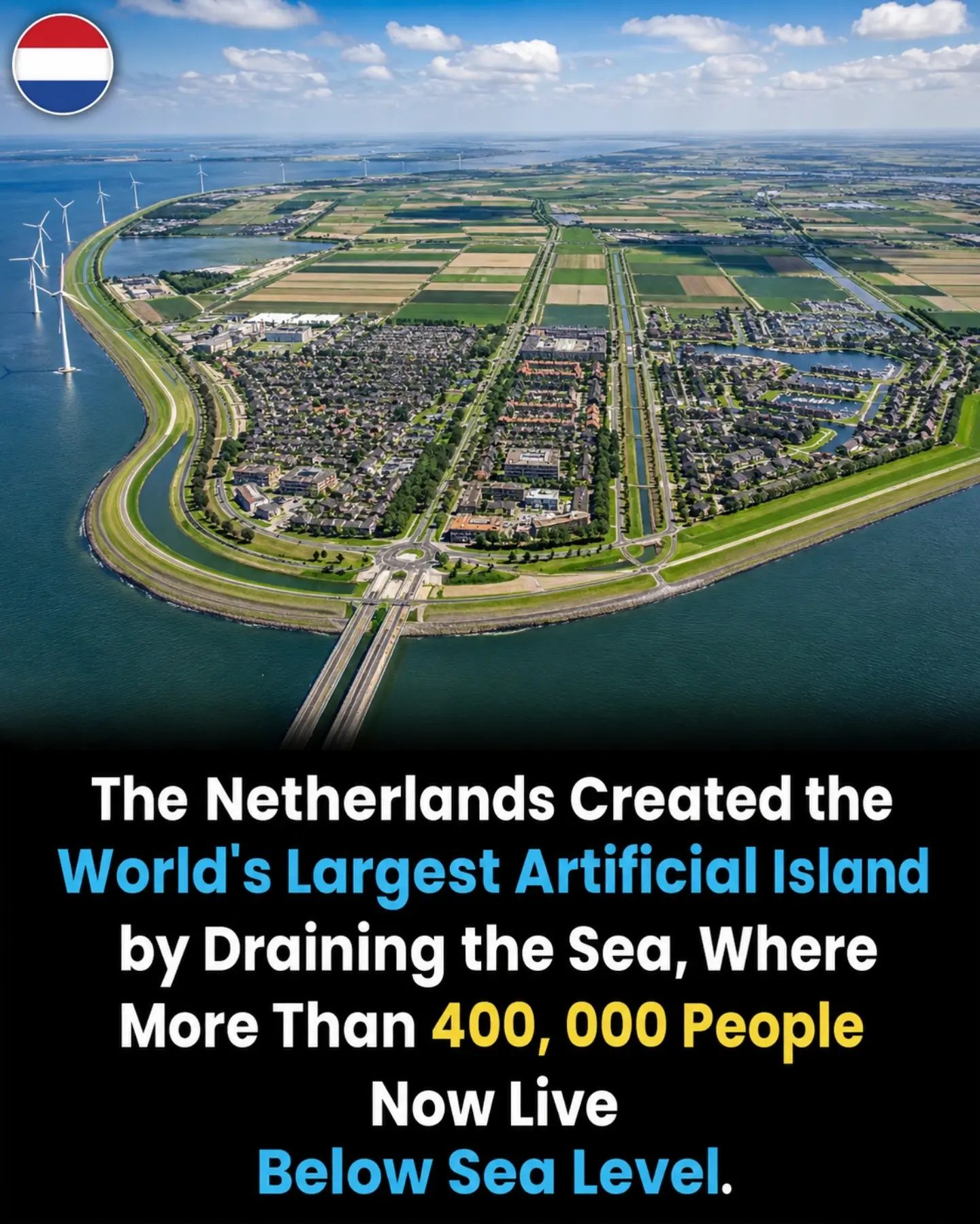
The Netherlands boasts the world's largest artificial island, created through a massive engineering feat that involved draining the sea. This island is not just an engineering marvel but also a critical asset for housing, agriculture, and industry. Over 400,000 people live on this island, which is situated below sea level. The use of wind turbines and other renewable energy sources on the island highlights the Dutch commitment to sustainable development.
Engineering and environmental considerations
Creating artificial islands requires meticulous planning and engineering. The process begins with the construction of dikes and barriers to hold back the sea. Once the water is drained, the land is prepared for various uses. This activity is not without its challenges, including maintaining the integrity of the barriers and managing water levels to prevent flooding. The Dutch have developed advanced technologies and methods to maintain these islands, ensuring their longevity and sustainability.
Living below sea level
One of the most notable aspects of these artificial islands is that they are built below sea level. This necessitates a robust infrastructure to keep the water out and maintain the land's stability. The Dutch have mastered the art of water management, using a combination of pumps, dikes, and drainage systems to keep the sea at bay. This approach not only ensures the safety of the inhabitants but also helps in preserving the land for future generations.
Urban and agricultural development
The artificial islands in the Netherlands serve multiple purposes, including urban development and agriculture. Wind turbines and fields are commonly seen on these islands, showcasing the multifaceted use of the land. The fields provide fresh produce for local consumption, while the wind turbines generate clean energy, contributing to the country's renewable energy goals.
Innovative land use practices
The creation of artificial islands is an innovative land use practice that exemplifies the Netherlands' approach to managing its environment. Often referred to as "poldering," this technique involves draining bodies of water and converting them into usable land. This practice has been instrumental in expanding the country's territory and creating new spaces for development.
Sustainable living and energy
The islands' design includes wind turbines and other renewable energy sources, which are crucial for achieving energy independence and sustainability. These energy sources not only provide electricity to the island's residents but also contribute to the national grid, promoting a greener future.
Practical tips
Visit the artificial islands
If you're visiting the Netherlands, consider taking a tour of these artificial islands. Many tours offer aerial views, providing a unique perspective on how these islands are structured and maintained. This experience can give you a deeper appreciation for the engineering marvels and sustainable practices implemented in the Netherlands.
Understand the engineering behind them
For those interested in engineering and sustainability, delving into the specifics of how these islands are created can be fascinating. Many museums and educational centers in the Netherlands offer exhibits and workshops on land reclamation and water management techniques. These resources can provide valuable insights into the innovative practices that make these islands possible.
Important takeaways
Artificial islands in the Netherlands are a remarkable feat of engineering and sustainability. They provide additional habitable land, support agriculture, and contribute to renewable energy production. The Netherlands' approach to land management and water control offers valuable lessons for other countries facing similar challenges. By understanding these practices, we can appreciate the ingenuity and dedication required to maintain these islands and ensure their longevity.
Conclusion
The creation of artificial islands in the Netherlands is a testament to human ingenuity and our ability to adapt to challenging environments. These islands serve multiple purposes, from providing additional land for housing and agriculture to generating renewable energy. The Netherlands' approach to land management and sustainability offers valuable insights for other countries grappling with similar issues. By studying and appreciating these engineering marvels, we can gain a deeper understanding of how to live in harmony with our environment.
Watch the Reel
Questions readers ask
What makes the Netherlands a leader in land management?
The Netherlands stands out due to its innovative approach to land management, particularly through the creation of artificial islands. These islands are built using advanced techniques for sea draining and land reclamation, allowing the country to maximize its usable land area.
How many people live on the largest artificial island in the world?
The world's largest artificial island, located in the Netherlands, is home to over 400,000 residents. This island is situated below sea level and is a testament to Dutch engineering and sustainability.
What are some uses for artificial islands in the Netherlands?
Artificial islands in the Netherlands serve a variety of purposes. They are used for residential housing, agricultural activities, industrial projects, and even as platforms for renewable energy infrastructure. These islands help to alleviate overcrowding and support various economic activities.
What is the Fleuron artificial island?
The Fleuron island is a notable example of Dutch innovation in land management. Located in the Netherlands, this island showcases the country's expertise in land reclamation and sustainable housing. It is part of the impressive portfolio of artificial islands created by the Dutch.
How do artificial islands contribute to sustainability in the Netherlands?
Artificial islands in the Netherlands contribute to sustainability by providing additional land for housing and infrastructure without encroaching on existing ecosystems. They also support sustainable living by incorporating renewable energy solutions and efficient land use practices.
What techniques are used to create artificial islands in the Netherlands?
The creation of artificial islands in the Netherlands involves a combination of draining the sea and reclaimed land techniques. These methods allow the Dutch to build structures like sea level housing, contributing to the country's land management and resilience in the face of rising sea levels.
What are some unique features of the Netherlands' artificial islands?
The Netherlands' artificial islands showcase a variety of unique features, including advanced land reclamation techniques, below sea level living structures, and infrastructure that supports sustainable housing and renewable energy. These features make the islands both innovative and practical.
Related deep dives
Similar reads based on topic and creator.




Recent articles
Fresh deep dives from the latest Reels we unpacked.




Comments
Be the first to comment.