What’s a Glacier Flood
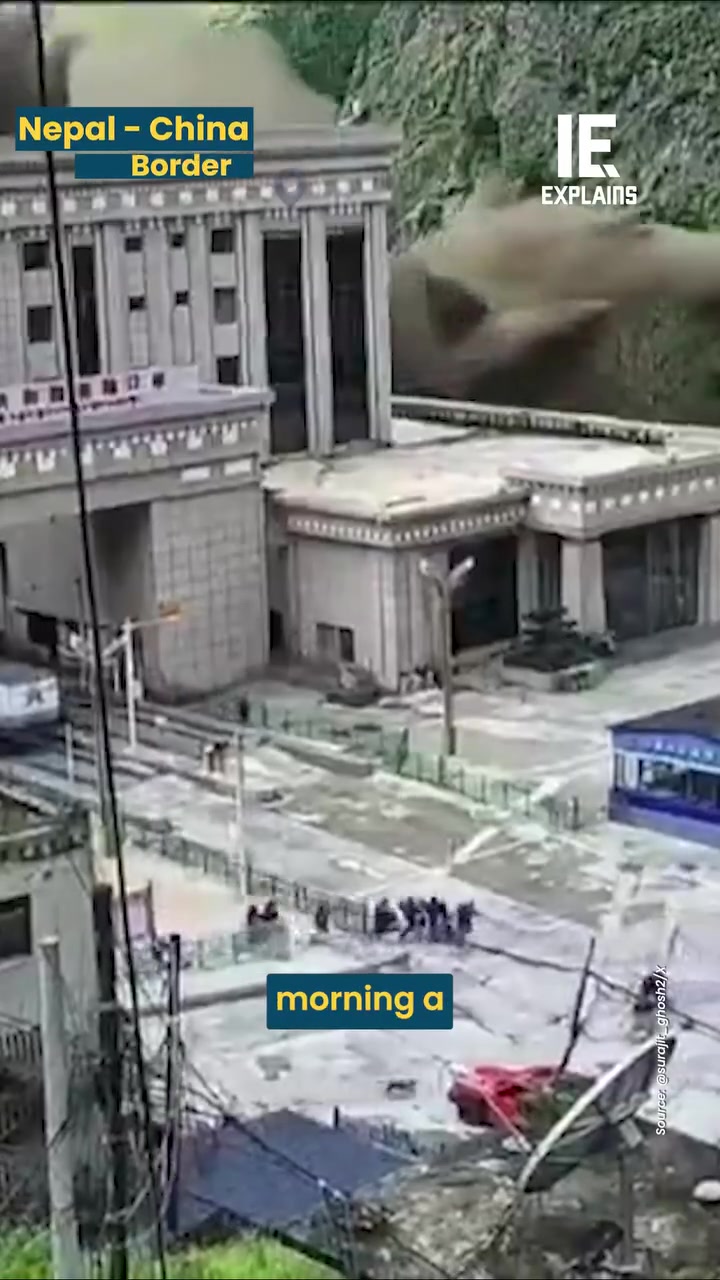
The term "glacial flood" is not a metaphor but a sobering reality. When water from a glacier storm surges downstream, it often carries sediment, boulders, and shattered ice. This turbulent mix of elements shaped the August 2022 flood, which roared down the Nepal-China border. A glacial flood happens when a slab of ice breaks off from a high-altitude glacier, cascades down a mountain, and pours into a river valley. This event can damage ecosystems, habitats, and human settlements as it carves through everything in its path. On August 24th, this is what happened in the Lenda Valley, in Nepal: the lower part of a glacier, high on the 5,200-metre peaks of the Tibetan side of Nepal, broke off its bed and dropped roughly 1,200 metres onto the valley.
What it Takes for a Flood to Erupt
Every glacier transects watersheds. In this case, is the Lende Khola river, which flows through Lenda Valley in Nepal from the Lhende glacial source. Fast-moving water and debris slamming into the valley floor triggers seismic activity, which explains why the Nepal Tibet floods were initially reported as an earthquake. Eventually, all that ice and rock piled into the river and dammed it. When the dam eventually gave way, the release came down as a rush of sediment, boulders and shattered ice—wildly moving down the river.
What Happened at The Nepal-China Border?
Scenes from the Valley
The main body of the glacier rolled down from the mountain onto the valley floor — a violent enough impact to trigger a seismic warning. The sheer volume of ice and rock blocked the river, forming a debris dam. "The debris dams the river, ice and rock block the valley about 20 kilometers upstream of the Mitteri Bridge," an authority explained. "The dam fails and picks up the valley water. Sediment and boulders turn the release into a destructive surge."
The Aftermath
The river Trishuli surged as much as 9 meters in 30 minutes. This water, thick with sediment and debris, surged downstream. At least 392 people are confirmed dead, 389 of them Nepalese, and 1,500 people are still missing. The likelihood of a repeat flood grows with each major geological shift. As of now, rescue teams are watching two new lakes that the debris has dammed up, because if those let go, it happens again. With more than 175 people still unaccounted for, a second wave of destruction poses an ever-present threat to the local population. Including a humanitarian crisis for families and communities desperate to find loved ones in the chaos.
The Odds of a Repeat Event
The cause of this kind of geological mayhem is not always a catastrophic burst of energy from a lake. Scientists say a lot of snow melted in the 24 hours before, slopes that were white one day and bare ice the next. The increased rate of glacial melting over the past decade adds to the factors that might make the area vulnerable to such events. To wit, melting glaciers accelerate erosion and land movement which can lead to landslides and glacial surges.
Similar Situations in the Region
To see how this scenario might repeat, look at the namesake event. The August 2022 flooding impacted everything from the 20km Mitteri Bridge to the 4,100m mark.
What’s Next? Managing the Irreversible
Relief efforts involve two main tasks: direct, immediate help for those impacted by the flooding, and increased vigilance for any new dams of debris that may form, particularly with the new lakes where the broken debris has dammed the flow. As the expert put it, there was "no pre-existing glacial lake." Due to recent melting and geological activity, the landscape is irregular and dynamic.
Watch the Reel
Questions readers ask
What exactly caused the glacier to collapse in Nepal?
The glacier collapse in Nepal was triggered by a combination of factors. A significant amount of snow melted rapidly, exposing bare ice and increasing the likelihood of a glacial surge. Additionally, the increased rate of glacial melting over the past decade has accelerated erosion and land movement, making the area more vulnerable to such events.
How does a glacial flood differ from a regular flood?
A glacial flood is much more destructive than a regular flood. It involves a massive release of water, sediment, boulders, and shattered ice that can carve through ecosystems, habitats, and human settlements. Regular floods typically involve just water and some debris, while glacial floods are a turbulent mix of elements that can trigger seismic activity and cause widespread devastation.
What exactly is the role of seismic activity in glacial floods?
Seismic activity plays a significant role in glacial floods. The impact of fast-moving water and debris slamming into the valley floor can trigger seismic activity, which was initially reported as an earthquake in the Nepal-China border floods. This seismic activity can also contribute to the formation of debris dams, which, when they fail, release a destructive surge of sediment, boulders, and shattered ice.
How did the flood impact the local population in Nepal?
The flood had a devastating impact on the local population in Nepal. At least 392 people are confirmed dead, and over 1,500 people are still missing. The river Trishuli surged as much as 9 meters in 30 minutes, causing widespread destruction. Rescue teams are now monitoring two new lakes formed by debris dams, as their potential failure could lead to another destructive surge.
What are the chances of another flood happening in the same area?
The likelihood of another flood in the same area is high due to the increased rate of glacial melting and the geological shifts caused by the initial event. The formation of new lakes dammed by debris adds to the risk, as their failure could trigger another destructive surge. Scientists are monitoring these lakes closely to assess the potential for future events.
Related deep dives
Similar reads based on topic and creator.



Recent articles
Fresh deep dives from the latest Reels we unpacked.



Comments
Be the first to comment.