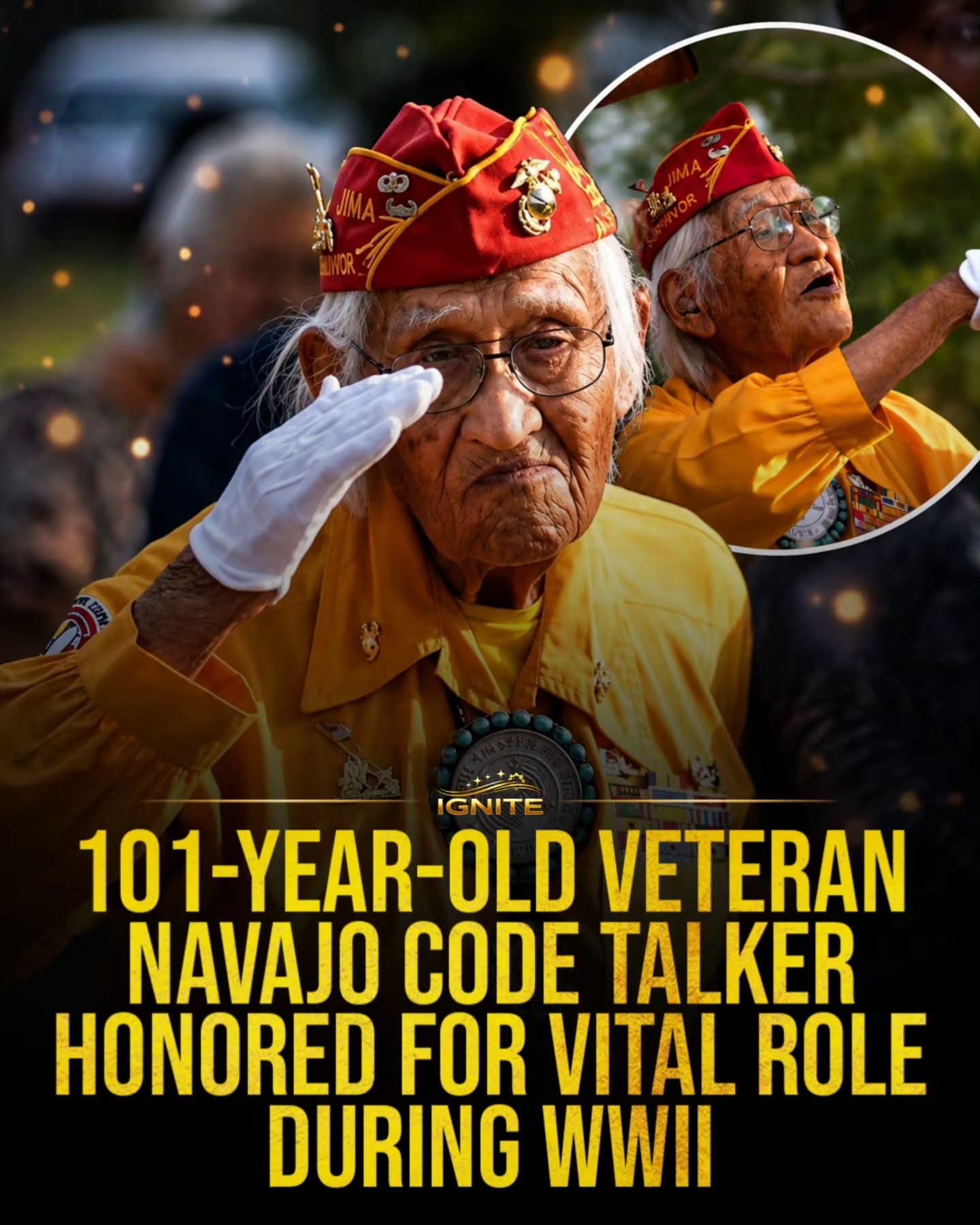
Honoring a 101-Year-Old Veteran: The Legacy of a Navajo Code Talker
In the halls of history, few stories are as compelling and significant as the contributions of the Navajo Code Talkers during World War II. The recent commemoration of a 101-year-old Navajo Code Talker underscores the enduring legacy of these unsung heroes. This tribute not only honors his service but also highlights the broader importance of the Navajo Code Talkers' role in the war.
Context / Why this matters
World War II was a pivotal moment in history, marked by innovative strategies and technologies. Among these, the role of the Navajo Code Talkers stands out as one of the most critical yet often under-recognized. The Navajo language, with its complex grammar and phonology, was used to create an unbreakable code that played a vital role in the Allied victory. The tribute to a 101-year-old Navajo Code Talker is a poignant reminder of the bravery and ingenuity these individuals brought to the battlefield.
The Significance of Navajo Code Talkers
The Navajo Code Talkers were a group of Native American Marines who utilized their native Navajo language to transmit secret tactical messages during World War II. Their code was virtually impossible for the enemy to decipher, providing a critical advantage in the Pacific Theater. The Navajo language's complexity and the fact that it was not widely known outside the Navajo community made it an ideal choice for a secure communication system. This code was so effective that it is considered one of the most successful and swiftest forms of military communication during the war.
The Code
The code was based on the Navajo language, but it also included specific codes for military terms. Each Code Talker had to memorize a list of over 400 words and phrases in Navajo, each corresponding to military terms. This allowed them to communicate complex tactical information quickly and securely. The code was so secure that it was never deciphered by the enemy, contributing significantly to the success of the Allied forces.
The Ceremony and Its Symbolism
The honor bestowed upon the 101-year-old Navajo Code Talker is a poignant culmination of a lifetime of service and dedication. The ceremony, complete with ceremonial attire and a solemn salute, symbolizes the deep respect and gratitude felt by many for his contributions. Such tributes are essential in preserving the legacy of these heroes and ensuring that future generations understand the importance of their service.
Ceremonial Attire
The ceremonial vest and hat worn by the Navajo Code Talker during the tribute are not merely adornments but hold deep cultural and symbolic significance. The vest, often intricately beaded, represents the warrior spirit and the honor accorded to those who have served their nation. The hat, a traditional Navajo headpiece, signifies respect and acknowledgment of his role as a Code Talker.
The Salute
The salute rendered by the 101-year-old veteran is a profound moment of respect and honor. It serves as a reminder of the tradition, honor, and discipline instilled in these brave individuals. The salute is not just a gesture of respect but a symbol of their enduring commitment to duty and service, even in their advanced age.
Practical Tips for Honoring Veterans
Honoring veterans is not just about grand ceremonies but also about everyday acknowledgment and respect.
Learn Their Stories
Each veteran has a unique story of service and sacrifice. Take the time to learn about their experiences. This not only honors their contributions but also provides a deeper understanding of their sacrifices. Whether through personal interviews, documentaries, or books, these stories are invaluable in preserving history.
Show Appreciation
Simple gestures of appreciation can make a significant difference. Whether it's a thank-you note, a visit, or a small gift, these acts of kindness show that their service is valued and remembered.
Support Veteran Organizations
There are numerous organizations dedicated to supporting veterans. Contributing to these organizations through donations, volunteering, or advocacy can help ensure that veterans receive the care and support they deserve. These organizations provide a range of services, from healthcare and housing to mental health support and job training.
Important Takeaways
The honor bestowed upon the 101-year-old Navajo Code Talker underscores several important points:
- The Importance of Recognizing Service: It is crucial to recognize and honor the service of veterans, particularly those who have made significant contributions to national security.
- The Legacy of the Navajo Code Talkers: The role of the Navajo Code Talkers in World War II is a testament to the importance of cultural heritage and language in military strategy.
- The Power of Ceremony and Symbolism: The ceremonial aspects of the tribute highlight the deep respect and honor accorded to these veterans, ensuring their legacy endures.
Conclusion
The tribute to the 101-year-old Navajo Code Talker is a powerful reminder of the service and sacrifice of veterans, particularly the Navajo Code Talkers. Their contributions, often overlooked, played a pivotal role in World War II. By honoring their service, we not only pay tribute to their bravery but also ensure that their legacy continues to inspire future generations. It is through such acts of recognition and appreciation that we keep the spirit of service and sacrifice alive.
Watch the Reel
Questions readers ask
Who were the Navajo Code Talkers and what was their role in World War II?
The Navajo Code Talkers were a group of Native American servicemen who used the Navajo language to create a secret code for military communications during World War II. Their role was crucial in transmitting secure messages, which the enemy could not decipher, thereby aiding the Allied forces in their strategies and operations.
Why was the Navajo language chosen for creating the code?
The Navajo language was chosen for its complexity, which includes a unique grammar and syntax that made it nearly impossible for non-Navajo speakers to understand. Additionally, the language was virtually unknown outside the Navajo community, adding an extra layer of security.
What did the recent tribute to the 101-year-old Navajo Code Talker entail?
The recent tribute involved a special ceremony to honor the 101-year-old Navajo Code Talker, recognizing his bravery and the vital role he played during World War II. The tribute aimed to bring awareness to the legacy of the Navajo Code Talkers and their significant contribution to the war effort.
How did the Navajo Code Talkers develop the unbreakable code?
The Navajo Code Talkers developed the code by assigning Navajo words to various military terms and phrases. They then used these words in their messages, which were transmitted over military radios. This code was kept secret throughout the war, ensuring that only those trained in the Navajo language could understand the communications.
Why is the Navajo Code Talkers' legacy important to honor?
Honoring the Navajo Code Talkers' legacy is important to acknowledge the critical role they played in World War II, as well as to recognize the bravery and dedication of these individuals. Their story serves as a reminder of the diverse contributions made by various groups during the war and the power of language as a strategic tool.
What challenges did the Navajo Code Talkers face during their service?
The Navajo Code Talkers faced numerous challenges, including the rigorous training required to master the code and the risks associated with transmitting sensitive information in a war zone. Additionally, they had to contend with racial discrimination and prejudice, as many Native Americans were not fully recognized for their service and contributions during and after the war.
How can I learn more about the Navajo Code Talkers and their contributions?
To learn more about the Navajo Code Talkers, you can explore historical documents, watch documentaries, and read books and articles that detail their experiences and contributions. Many museums and veterans' organizations also offer resources and exhibits that honor the Navajo Code Talkers' legacy. Additionally, you can look for online videos and interviews featuring these veterans, which provide firsthand accounts of their service during World War II.
Related deep dives
Similar reads based on topic and creator.
Recent articles
Fresh deep dives from the latest Reels we unpacked.




Comments
Be the first to comment.