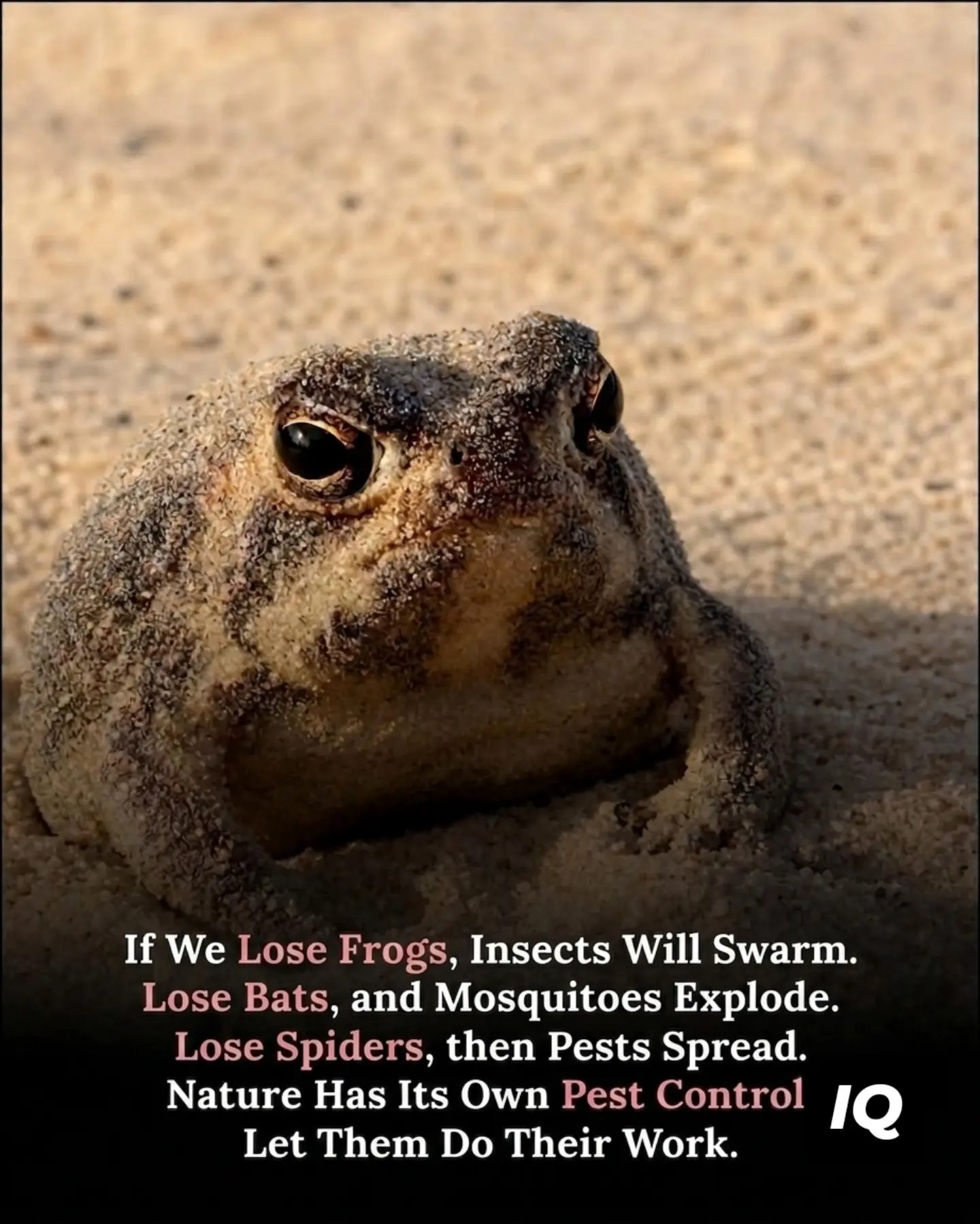
The Silent Architecture of Nature's Pest Control
In our gardens, fields, and forests, an intricate, ancient architecture operates silently, performing a vital function for our ecosystem. This natural pest control system involves frogs, bats, and spiders, each playing a crucial role in maintaining a balance that ensures our survival.
Why Nature's Pest Control Matters
Understanding the importance of frogs, bats, and spiders in our ecosystem is critical. These creatures are not just part of the landscape; they are essential components of a self-sustaining defense system that has evolved over millions of years. By recognizing and preserving their role, we can avoid the pitfalls of human-imposed chemical solutions and maintain a healthier, more sustainable environment.
The Role of Frogs, Bats, and Spiders
Frogs: The Frontline Defenders
Frogs are often overlooked but play a significant role in controlling insect populations. They consume thousands of pests daily, including mosquitoes and other disease-carrying insects. When frog populations decline, insect swarms can quickly escalate, leading to significant ecological disruptions and health risks. The absence of frogs allows pests to multiply unchecked, causing a cascade of negative effects on the ecosystem.
Bats: The Twilight Interceptors
Bats are nocturnal creatures that play a crucial role in controlling mosquito populations. They are efficient hunters, capable of consuming vast numbers of mosquitoes in a single night. The loss of bats can lead to a dramatic increase in mosquito populations, which not only poses a nuisance but also spreads diseases like malaria and West Nile virus. By allowing bats to function naturally in their ecosystems, we can maintain a healthier environment.
Spiders: The Silent Engineers
Spiders are often feared, but their webs are a marvel of engineering that helps control pest populations. They spin intricate webs that trap a variety of insects, including those that could harm crops and spread diseases. When spiders are eliminated, pests spread rapidly, leading to increased crop damage and higher pest populations. Recognizing the role of spiders in pest control can help us maintain a balanced ecosystem.
The Scorched-Earth Mistake
When we reach for chemical pesticides, we often do more harm than good. These chemicals target not just the pests but also the beneficial creatures that help control them. This indiscriminate approach disrupts the natural balance, leading to a cycle of increased pest problems and further chemical use. By choosing chemical warfare, we effectively dismantle the very ecosystem that protects us.
The Cycle of Chemical Dependence
The overuse of chemical pesticides leads to a cycle of dependence where more and more chemicals are needed to control pests that have grown resistant to the initial treatments. This not only harms the environment but also costs billions of dollars in treatments and crop losses. The artificial solutions we impose can never fully replace the natural balance that frogs, bats, and spiders provide.
Practical Tips for Encouraging Natural Pest Control
Create a Bat-Friendly Environment
Bats naturally inhabit areas with roosting sites, such as caves, trees, and old buildings. Creating bat houses and ensuring their habitat remains undisturbed can encourage bat populations to thrive. This provides a natural defense against mosquitoes and other pests.
Promote Frog Habitats
Frogs need damp, shaded areas to thrive. Creating ponds, small water features, and moist, shaded habitats in your garden can attract frogs. Keeping the environment safe from pollutants and chemicals can also help maintain frog populations.
Encourage Spiders
Spiders are naturally present in most environments but can be discouraged by excessive cleaning and use of pesticides. Allowing some areas of the garden to remain undisturbed and avoiding the use of chemicals can encourage spiders to stay and do their pest control work.
Important Takeaways
The importance of frogs, bats, and spiders in maintaining a balanced ecosystem cannot be overstated. These creatures are part of a natural, self-sustaining defense system that has evolved over millions of years. By recognizing and preserving their roles, we can avoid the pitfalls of chemical dependence and maintain a healthier, more sustainable environment.
The next time you see a spider web, hear the chirping of frogs, or notice bats at dusk, remember that these creatures are actively working to keep our ecosystem in balance. They are the silent guardians that protect us from pest infestations and the spread of diseases. By allowing them to function naturally, we can ensure our own survival and the health of the planet.
Conclusion
Nature has a delicate balance, and frogs, bats, and spiders are essential components of this ecosystem. Their roles in pest control are critical for our survival, and it is imperative that we recognize and preserve their functions. By avoiding the use of chemical pesticides and promoting natural habitats, we can maintain a healthy environment for all. Remember, the silent architecture of nature's pest control is a gift that we must cherish and protect.
Watch the Reel
Questions readers ask
Why are frogs considered important in nature's pest control system?
Frogs are significant in nature's pest control system because they feed on numerous insects, including mosquitoes and flies. By consuming these pests, frogs help prevent the spread of diseases and maintain a healthy ecosystem. Their presence reduces the need for chemical interventions.
How do bats contribute to pest control in our environment?
Bats are exceptional pest controllers, consuming vast quantities of insects each night. A single bat can eat up to 50% of its body weight in insects, which means they help control pests like mosquitoes, beetles, and moths, all while pollinating plants and dispersing seeds.
What role do spiders play in the ecological balance through pest control?
Spiders are nature's silent helpers in maintaining ecological balance. With their intricate webs and hunting strategies, they capture and consume a wide array of pests, including flies, mosquitoes, and beetles, making them a crucial part of natural pest control.
How can preserving nature's pest control agents help our environment?
Preserving nature's pest control agents—frogs, bats, and spiders—improves our environment in numerous ways. By maintaining their populations, we can reduce the spread of diseases, avoid the harmful effects of chemical pesticides, and support a more sustainable ecosystem, all while maintaining their role as pest control agents.
Related deep dives
Similar reads based on topic and creator.




Recent articles
Fresh deep dives from the latest Reels we unpacked.




Comments
Be the first to comment.