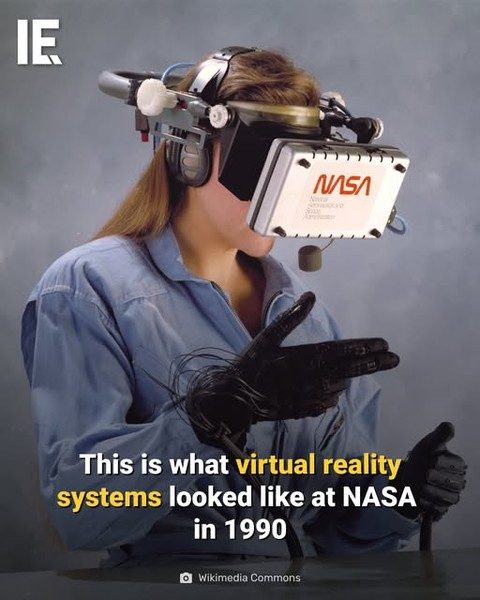
The Evolution of Virtual Reality: From NASA's Early Systems to Modern VR
Virtual reality (VR) technology has come a long way since its early days, and the history of its development is as fascinating as it is complex. In the early 1990s, NASA's research at the Ames Research Center showcased an early form of VR through the Virtual Interface Environment Workstation (VIEW). This system, though cumbersome and requiring extensive lab equipment, was a pioneering effort that laid the groundwork for modern VR technology.
Why This Matters
Understanding the evolution of VR technology provides valuable context for appreciating the advancements we enjoy today. Modern VR headsets, motion tracking, and immersive simulations are the direct descendants of early systems like the VIEW. This journey highlights the transformative power of technology and the iterative process of innovation.
From Bulky Experimental Setups to Sleek Consumer Devices
The Virtual Interface Environment Workstation (VIEW)
The VIEW, developed by researchers at NASA Ames, was a pioneering step in the VR landscape. This bulky system consisted of a large VR headset, tracking sensors, and wired data gloves. The purpose of the VIEW was to allow users to interact with digital 3D environments, a concept that was revolutionary at the time. The system was far from the sleek, lightweight consumer devices we see today, but it played a crucial role in advancing VR technology.
The Evolution of VR Components
VR Headsets
Early VR headsets, like the one used in the VIEW, were large and complex. They required advanced lab equipment, cables, and custom hardware. Today's VR headsets are a far cry from their predecessors, offering lightweight, comfortable designs that are accessible to the average consumer. The transition from bulky lab equipment to compact, user-friendly devices is a testament to the advancements in VR technology.
Tracking Sensors
Tracking sensors were essential for the VIEW's operation, allowing users to navigate and interact within virtual environments. These sensors were part of the extensive wiring and hardware that characterized early VR systems. Modern VR headsets have integrated tracking systems that provide seamless, high-precision motion tracking, eliminating the need for cumbersome external sensors.
Data Gloves
The VIEW also featured wired data gloves, which allowed users to interact with digital environments in a more immersive way. These gloves were another component that added to the bulkiness of the system. Today, advancements in haptic feedback and motion tracking have made it possible to achieve similar interaction capabilities without the need for physical gloves.
From NASA Labs to the Consumer Market
The technology developed by NASA and other early pioneers has paved the way for the modern VR industry. The principles and components of early VR systems have been refined and miniaturized, making VR accessible to a broader audience. This transition from experimental lab equipment to consumer devices is a significant milestone in the history of VR.
Pioneering Technologies in Early VR Systems
The Lab-to-Market Transition
Early VR systems were developed in lab settings, where researchers had access to state-of-the-art equipment and resources. The VIEW, for example, was designed and tested in NASA's labs, where it was used for various research purposes. This lab-to-market transition reflects the integration of advanced technologies into consumer products, making VR a viable option for everyday users.
Reducing Bulk and Complexity
One of the primary goals of modern VR technology is to reduce the bulk and complexity of early systems. Early VR headsets, tracking sensors, and data gloves were designed for lab use, not for everyday consumers. Through advancements in miniaturization and integration, modern VR devices have become more portable, user-friendly, and cost-effective.
Enhancing User Experience
Improving the user experience has been a driving force behind the evolution of VR technology. Early systems like the VIEW provided a basic level of immersion, but they were limited by their hardware constraints. Modern VR devices offer high-resolution displays, advanced motion tracking, and immersive audio, providing a more realistic and engaging experience.
Practical Tips for Exploring VR Technology
Choosing the Right VR Headset
When selecting a VR headset, it's essential to consider factors such as comfort, resolution, and tracking capabilities. Modern headsets like the [brandnames] offer high-resolution displays, wide fields of view, and precise motion tracking, making them ideal for various VR applications.
Setting Up a VR Environment
Creating an optimal VR environment involves more than just purchasing the right hardware. Ensure you have enough space for movement and set up your tracking sensors or VR base stations correctly. Follow the manufacturer's instructions for the best results, and consider using accessories like lighthouses or external cameras for enhanced tracking accuracy.
Exploring VR Applications
Virtual reality offers a wide range of applications, from gaming and entertainment to education and professional training. Explore different VR experiences to find what interests you the most. Whether you're a gamer, a professional, or a curious explorer, there's a VR application tailored to your needs.
Important Takeaways
The Legacy of Early VR Systems
Early VR systems like the VIEW laid the groundwork for modern VR technology. The advancements made during this period continue to influence today's VR devices, highlighting the importance of early research and development.
The Importance of User Experience
User experience has been a driving force behind the evolution of VR technology. Modern VR devices are designed to be comfortable, easy to use, and immersive, providing a more enjoyable experience for users.
The Future of VR
As VR technology continues to evolve, we can expect to see even more advancements in hardware and software. The integration of artificial intelligence, augmented reality, and other emerging technologies will further enhance the capabilities of VR, making it an even more powerful tool for various applications.
Conclusion
The journey of VR from NASA's early systems to modern consumer devices is a testament to the power of innovation and technological evolution. From bulky, lab-based setups to sleek, user-friendly devices, VR technology has come a long way. Understanding this evolution provides valuable context for appreciating the advancements we enjoy today and looking forward to the future of VR.
Watch the Reel
Questions readers ask
What was the Virtual Interface Environment Workstation (VIEW)?
The Virtual Interface Environment Workstation (VIEW) was an early virtual reality (VR) system developed by NASA in the 1990s. It was a pioneering effort that used extensive lab equipment and bulky headsets to create an immersive virtual environment. The VIEW system was instrumental in developing key components that are now standard in modern VR devices.
Why did NASA develop virtual reality technology in the 1990s?
NASA developed VR technology in the 1990s to enhance training and simulation capabilities for astronauts. The virtual environments allowed for realistic training scenarios and the exploration of complex systems in a safe, controlled environment, which was crucial for mission preparation and perfecting high risk tasks.
What challenges did NASA's early VR systems face?
NASA's early VR systems, such as the VIEW, faced several challenges, including cumbersome and bulky equipment, limited processing power, and the need for extensive lab setups. These systems required significant resources and technical expertise to operate, making them less accessible and user-friendly than modern VR devices.
How did NASA's VR development in the 1990s influence modern VR technology?
NASA's VR development in the 1990s laid the groundwork for many features found in modern VR systems. The pioneering work on motion tracking, immersive simulations, and user interfaces has evolved into the advanced, more streamlined technologies we use today. Their efforts helped refine the basic components that are now essential in consumer VR devices.
What was the significance of the NASA Ames Research Center in the development of VR?
The NASA Ames Research Center played a crucial role in the development of VR technology. It was at Ames that the VIEW system was developed and tested, contributing to the early advancements in VR. The center's research and experiments helped shape the future of VR, making it a key player in the history of virtual reality.
Related deep dives
Similar reads based on topic and creator.


Recent articles
Fresh deep dives from the latest Reels we unpacked.




Comments
Be the first to comment.