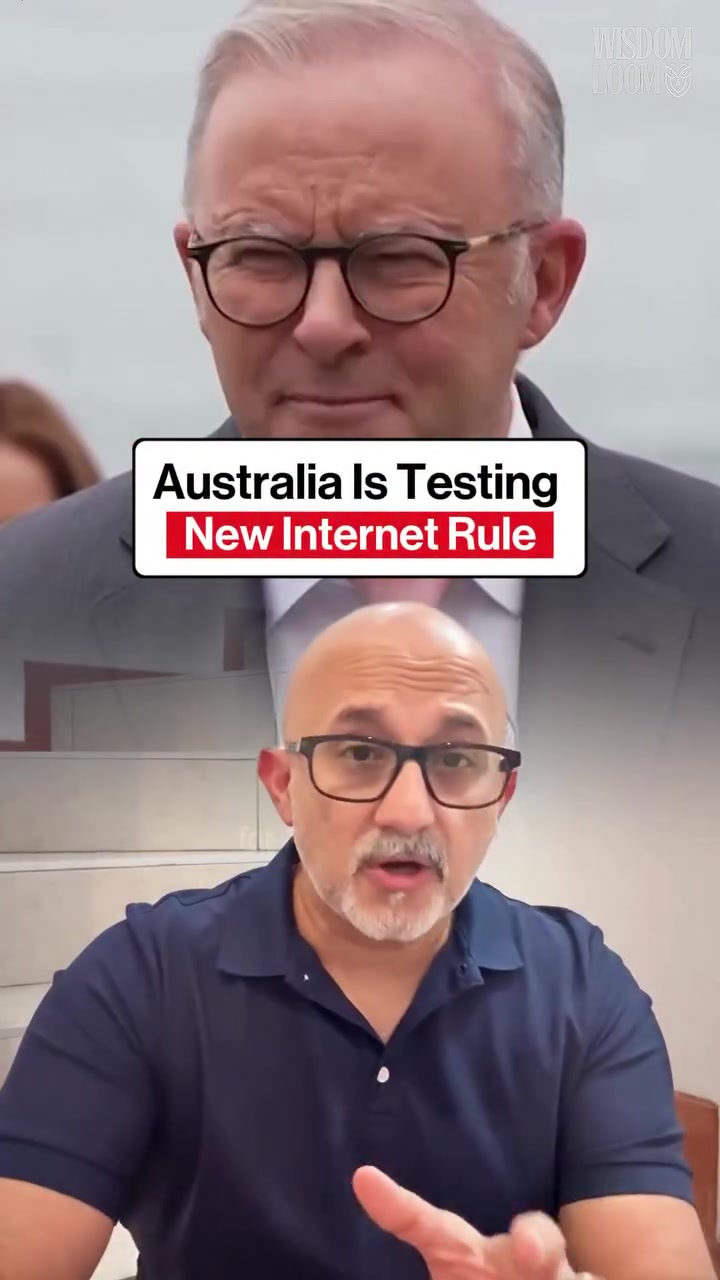
Australia’s New Rules on Platform Responsibility for Young Users
Australia is experimenting with new social media regulations that put the onus on technology companies to stop kids under 16 from accessing accounts. This change pushes the boundaries of how nations manage online safety and the attention economy. The responsibility for managing minors’ access to social media has shifted from parents to technology firms. The new regulations began in December and specifically target platform mechanics, such as recommendation algorithms, continuous scrolling, likes, and disappearing content. It’s one of the world’s biggest tests in reshaping how social media platforms operate, safeguarding young users. While there has been a slight reduction in 10–15-year-olds having accounts (from 52% to 42%), over 80% still access these platforms. And the long-term effects of the regulations remain uncertain. Researchers are questioning whether the current regulations can keep up with evolving technology.
Australia’s Big Bet on Platform Responsibility
These new regulations place Australia at the forefront. Tech companies face significant scrutiny, and the country’s stance could influence global regulation. Australia’s approach could reverberate in future debates about how countries handle digital safety. If effective, the pilot project may influence what happens in this decade’s tech landscape.
The nuts and bolts of the experiments
Shifting the burden of account access
The regulations are turning the dial on how tech companies operate. Platforms must now use reasonable steps, but the specifics remain open to interpretation. The early results are mixed: many young people are still accessing social media, despite the drop in account ownership.
The impact of new rules on kids’ online habits
Australia’s e-safety research showed that 10–15-year-olds were less likely to have their own social media accounts. The study showed the shift was significant. However, more than 80% of these minors still logged in through alternative means.
What this means for young social media users
Parents' hands are tied if they can't stop youngsters from avoiding these services. And most of the kids are still using social media, even if they can’t open their own accounts.
New Australian regs against a backdrop of global regulation
Blocking young users in a world of social media
Will other nations follow suit? As the global digital landscape continues to shift, nations must address ensuring, as Australia is, the safety of their citizens in the digital age. Technological tools are advancing quickly, and legal frameworks must adapt to those changes. Another fundamental question remains: can legal frameworks keep up with technological advances?
This is a big deal — the platform power shift
The regulation debate has gained more attention in recent times. Automation and AI are redefining industries, and national regulators have taken notice. Australia’s focus on the mechanics of the attention economy is the beginning of the new regulatory era.
Platform mechanics in the crosshairs
These new regulations are shifting focus from young users to the mechanics of the attention economy. Platforms that use recommendation algorithms, scrolling, likes, and disappearing content will need to adjust accordingly. Also, the question of privacy looms large — and its protection will need more scrutiny.
Playing by new rules, step-by-step guide
- Verify age: Social media platforms are required to verify the age of users. This can be done using age verification services, or by asking users to upload proof of age.
- Restrict access: Platforms must restrict access to users under 16. This can be done by blocking these users from creating accounts or by limiting their access to certain features.
- Inform users: Platforms must inform users about the new regulations and their rights. This can be done through a notification or an update to the terms of service.
- Report violations: In the event of a violation, platforms should immediately report it to the relevant authorities Australia is experimenting. It's a crucial moment in the global conversation about tech regulation. Platforms should not have their regulatory expectations sit and wait. The winds of regulation are picking up.
Watch the Reel
Questions readers ask
What specific actions are tech companies required to take to prevent kids under 16 from accessing their platforms?
The new regulations in Australia require tech companies to use 'reasonable steps' to prevent kids under 16 from accessing social media accounts. This includes changes to platform mechanics like recommendation algorithms, continuous scrolling, likes, and disappearing content. However, the specifics of what constitutes 'reasonable steps' are still open to interpretation, and the regulations began in December 2023.
How effective have these new regulations been so far in reducing social media use among young Australians?
While there has been a slight reduction in the number of 10–15-year-olds with their own social media accounts, dropping from 52% to 42%, over 80% of these young people are still accessing social media platforms through alternative means. The long-term effects of the regulations and their ability to keep up with evolving technology are still uncertain.
What are the potential global implications of Australia's new social media regulations?
Australia's approach to holding tech companies responsible for young users' online safety could influence global regulation. If effective, the pilot project may set a precedent for how other countries handle digital safety. This could lead to a shift in how the tech landscape operates in this decade, especially as automation and AI continue to redefine industries.
How do these new regulations compare to other countries' approaches to online safety for young users?
Australia's regulations stand out as one of the world's biggest tests in reshaping how social media platforms operate to safeguard young users. Other countries may follow suit, but it remains to be seen whether legal frameworks can keep up with technological advances. The focus on platform mechanics, such as recommendation algorithms and continuous scrolling, sets Australia apart in its regulatory approach.
What are the concerns regarding the long-term effectiveness of these new regulations?
Researchers are questioning whether the current regulations can keep up with evolving technology. While there has been a slight reduction in account ownership among 10–15-year-olds, the majority still access social media through alternative means. The long-term effects and the ability of the regulations to adapt to future technological changes are still uncertain.
How do these regulations impact the roles of parents and tech companies in managing young users' online safety?
The new regulations shift the responsibility for managing minors' access to social media from parents to technology firms. Parents' hands are tied if they can't stop youngsters from avoiding these services. The regulations are turning the dial on how tech companies operate, pushing the boundaries of how nations manage online safety and the attention economy.
What are the potential challenges in enforcing these new regulations, especially given the evolving nature of technology?
A fundamental question remains: can legal frameworks keep up with technological advances? The specifics of what constitutes 'reasonable steps' for tech companies are still open to interpretation, and the regulations' ability to adapt to future technological changes is uncertain. Ensuring that these regulations remain effective in a rapidly changing digital landscape will be a significant challenge.
Recent articles
Fresh deep dives from the latest Reels we unpacked.




Comments
Be the first to comment.