Mars: Unique Geological Features and Surfaces
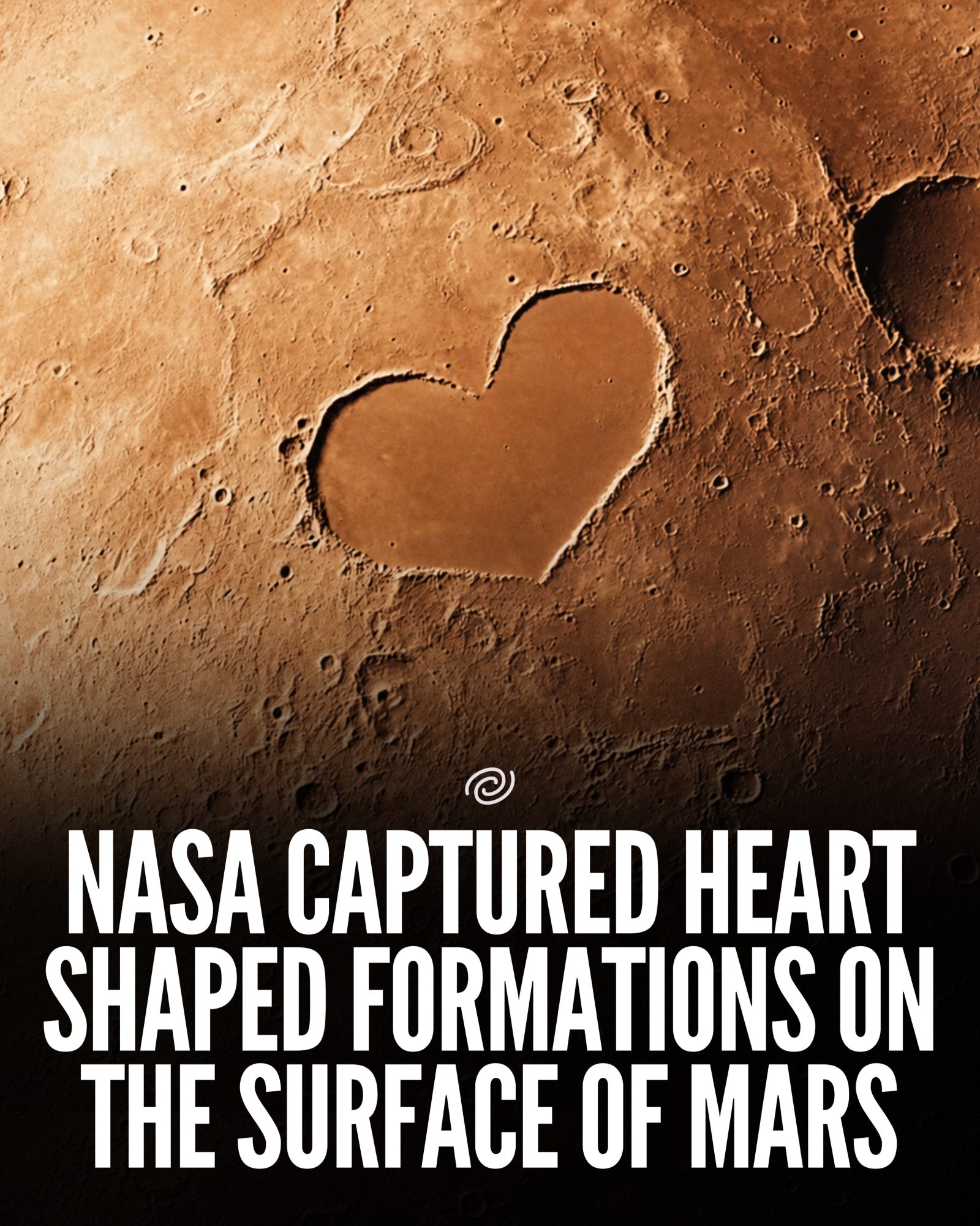
Few places in our solar system captivate us as much as Mars, with its mysterious and awe-inspiring landscapes. The heart-shaped formation recently observed on the Martian surface is a testament to the planet's unique geological features. Captured by NASA, the heart-shaped formation is not just a mere curiosity but a celebration of the planet's intricate and diverse topography.
Context
Mars, the fourth planet from the Sun, has long been a subject of fascination for scientists and space enthusiasts alike. Its surface, marked by vast canyons, towering volcanoes, and extensive lava flows, provides a rich tapestry of geological features. The heart-shaped formation, a recent addition to our understanding of Mars, offers a glimpse into the planet's dynamic history.
Unique Geological Features
The heart-shaped formation on Mars is a unique geological feature that has captured the attention of many. This formation, observed on the Martian surface, is a natural wonder that adds to the planet's already fascinating landscape. The heart shape is not just a random occurrence but a result of the planet's geological processes.
The Significance of the Heart-Shaped Formation
The discovery of a heart-shaped formation on Mars is significant for several reasons. First, it underscores the diversity of geological features on the planet. Mars is known for its rugged terrain, marked by craters, canyons, and volcanoes. The heart-shaped formation adds a unique element to this diverse landscape, showing that Mars' geological processes can create not just rugged but also intricate and aesthetically pleasing features.
Second, the heart-shaped formation provides insights into the planet's geological history. The shape could be the result of erosion, tectonic activity, or even ancient impact events. Understanding the formation's origin can help scientists piece together the planet's history, offering clues about its past climate and geological evolution.
Comparing the Heart-Shaped Formation to Other Martian Features
Mars is known for its unique geological features, and the heart-shaped formation stands out among them. Other notable features include:
- Olympus Mons: The largest volcano in the solar system, with a height of approximately 21.9 km (13.6 miles) and a diameter of about 624 km (388 miles).
- Valles Marineris: A vast canyon system that stretches over 4,000 km (2,500 miles) and reaches depths of up to 7 km (4.3 miles).
- Elysium Planitia: A smooth, flat plain near the equator, which is a potential landing site for future missions.
The heart-shaped formation, while smaller in scale, adds to the diversity of Mars' geological features, showcasing the planet's ability to form intricate and aesthetically pleasing shapes.
Detailed Views of Mars' Surface
The heart-shaped formation is just one of the many intriguing features on Mars. Detailed close-up views of the Martian surface reveal a landscape marked by numerous small craters and surface textures. These fine-scale features provide a comprehensive understanding of the planet's geological processes.
The Scale of Martian Features
The Martian surface is vast and varied, with features ranging from microscopic textures to massive canyons. Understanding the scale of these features is crucial for appreciating the planet's diverse landscape. For instance, the heart-shaped formation, while small, offers insights into the planet's geological processes.
Complex Internal Structures
Many Martian features exhibit complex internal structures, such as ridges and valleys, which provide clues about the planet's geological history. These structures can be the result of erosion, tectonic activity, or even ancient impact events. By studying these features, scientists can piece together the planet's geological history, offering insights into its past climate and geological evolution.
Topographical Maps
Topographical maps of the Martian surface, including the heart-shaped formation, offer a comprehensive view of the planet's landscape. These maps can reveal the elevation, slope, and orientation of the surface, providing a detailed look at the planet's topography. For instance, the heart-shaped formation is part of a larger topographical map that shows the surrounding area's elevation and slope.
Practical Tips for Exploring Mars' Surface
Exploring Mars' surface, whether through images or future missions, can be an exciting endeavor. Here are some practical tips for understanding and appreciating the planet's unique features:
Study Detailed Images
Detailed images of Mars' surface, such as those captured by NASA, provide a wealth of information about the planet's geological features. By studying these images, you can gain insights into the planet's topography, geological processes, and history. Pay attention to the scale, texture, and internal structures of the features, as these can offer clues about their origin and evolution.
Use Topographical Maps
Topographical maps are invaluable tools for understanding Mars' surface. These maps can reveal the elevation, slope, and orientation of the surface, providing a detailed look at the planet's topography. By using topographical maps, you can gain a comprehensive view of the planet's landscape, including the heart-shaped formation and other notable features.
Important Takeaways
Mars' unique geological features, such as the heart-shaped formation, offer a glimpse into the planet's diverse and dynamic history. Understanding these features can provide insights into the planet's geological processes, climate, and potential for future exploration. By studying detailed images, topographical maps, and other data, you can gain a comprehensive understanding of Mars' surface and its unique features.
Conclusion
Mars, with its unique geological features and diverse landscape, offers a wealth of information about the planet's history and potential for future exploration. The heart-shaped formation, captured by NASA, is just one of the many intriguing features on the Martian surface. By studying these features, you can gain a deeper appreciation for the planet's geological processes and its potential for future exploration. Whether through detailed images, topographical maps, or future missions, exploring Mars' surface is an exciting and rewarding endeavor.
Watch the Reel
Questions readers ask
What makes the heart-shaped formation on Mars significant?
The heart-shaped formation on Mars is significant because it offers insights into the planet's dynamic history. It showcases the diverse and captivating landscape of Mars, adding to our understanding of the planet's geological features. This unique formation was captured by NASA, highlighting the intricate topography of Mars.
What are some of the other unique geological features on Mars?
Mars is home to a variety of unique geological features, including vast canyons like Valles Marineris, which is one of the largest canyons in the solar system. The planet also boasts towering volcanoes, such as Olympus Mons, the tallest volcano known. Additionally, Mars has extensive lava flows and numerous crater formations that contribute to its diverse landscape.
How does NASA capture images of Mars' surface features?
NASA captures images of Mars' surface features using a variety of spacecraft and rovers equipped with advanced cameras and instruments. These tools allow scientists to study the planet's topography in detail, revealing features like the heart-shaped formation. Some notable missions include the Mars Reconnaissance Orbiter and the rovers like Perseverance and Curiosity.
What can the heart-shaped formation tell us about Mars' past?
The heart-shaped formation on Mars can provide clues about the planet's past geological activity. Its shape and structure might indicate processes such as erosion, volcanic activity, or impact events. By studying such formations, scientists can piece together the story of Mars' dynamic history and the forces that shaped its surface.
Are there other heart-shaped formations on Mars?
While the recently observed heart-shaped formation has garnered attention, Mars does not have many such distinctive shapes. The unique heart-shaped feature is particularly noteworthy because it stands out among the planet's diverse landscape. Other formations on Mars typically include craters, canyons, and volcanic structures, each contributing to the planet's rich geological tapestry.
How do scientists study the diverse landscape of Mars?
Scientists study the diverse landscape of Mars through a combination of remote sensing, rover missions, and analysis of data from orbiting spacecraft. By examining high-resolution images and collecting samples, researchers can gain a deeper understanding of Mars' geological processes. These studies help reveal the planet's history and its potential for future exploration and discovery.
What role do crater formations play in understanding Mars' surface?
Crater formations on Mars are crucial for understanding the planet's surface history. They provide insights into the frequency and nature of impact events, as well as the age of different surface regions. By analyzing the size, shape, and distribution of craters, scientists can infer the geological processes that have shaped Mars over time and the planet's dynamic evolution.
Related deep dives
Similar reads based on topic and creator.
Recent articles
Fresh deep dives from the latest Reels we unpacked.




Comments
Be the first to comment.