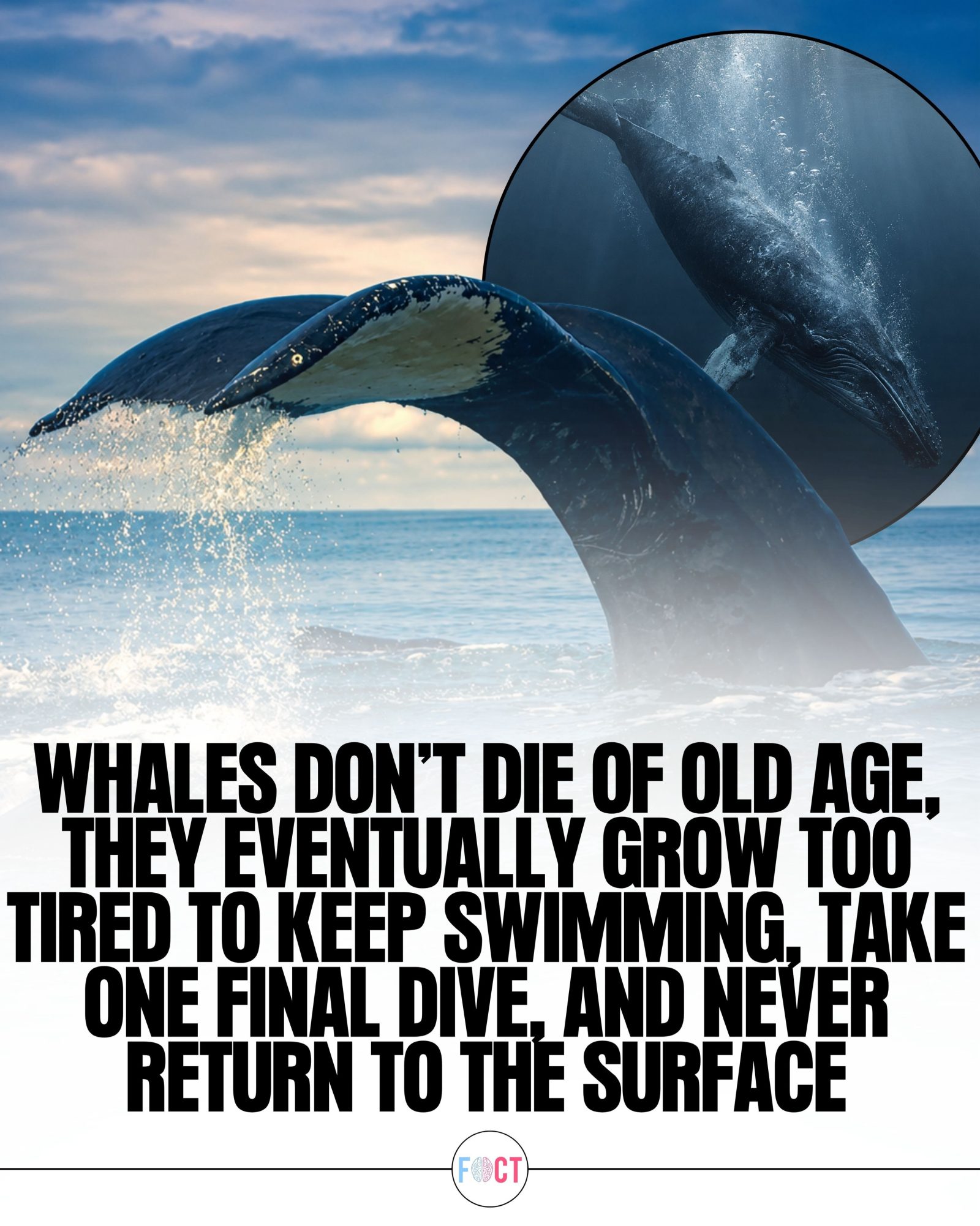
Whale Diving: The Phenomenon of a Whale's Final Descent
Whales, those magnificent giants of the sea, have a unique and poignant end-of-life ritual that sets them apart from many other creatures. Unlike animals that can pass away in their sleep or from pure old age, whales must consciously surface to breathe every few minutes throughout their lives. This constant need to rise to the surface for air shapes their entire existence, and ultimately, their final moments.
Why This Matters
Understanding the lifecycle and eventual fate of whales is more than just an intriguing aspect of marine biology. It offers insights into the broader ecosystem of the oceans, the delicate balance of life and death in the deep sea, and the profound impact of these gentle giants even after their passing.
The Lifecycle and Last Dive
The Constant Struggle for Breath
Whales, whether they are the majestic humpbacks, the enormous blue whales, or any of the other remarkable species, must surface to breathe. This necessity is a constant reminder of their vulnerability and the relentless effort required to sustain life. As they age, illness, injury, or starvation can weaken them, making the journey to the surface increasingly challenging.
The Concept of a Whale's "Last Dive"
When a whale grows extremely old or becomes critically weakened, it may eventually lose the strength to continue making the journey to the surface for air. Marine researchers sometimes refer to this as a whale's "last dive." The whale descends beneath the surface one final time, but this time, it does not have the energy to return. Instead, it slowly sinks deeper into the ocean, where its body eventually comes to rest on the seafloor, creating a unique and significant event known as a "whale fall."
The Whale Fall: A Deep-Sea Oasis
The Creation of a Whale Fall
A whale fall occurs when a whale's carcass sinks to the ocean floor, providing a vast amount of organic material in an otherwise nutrient-poor environment. This event can support a diverse array of deep-sea life, including various types of worms, crabs, and bacteria, for decades. The carcass serves as both food and shelter, creating a temporary but thriving ecosystem.
The Impact on Deep-Sea Life
The deep sea is one of the most inhospitable and least understood environments on Earth. Whale falls, despite their infrequent occurrence, play a crucial role in sustaining the life that dwells there. As the carcass decomposes, it releases nutrients into the surrounding water, fostering the growth of deep-sea organisms that would otherwise struggle to survive.
Practical Tips for Observing and Studying Whales
While the phenomenon of a whale's last dive is a natural and often unobserved event, there are ways to gain a deeper understanding and appreciation for these majestic creatures:
Responsible Whale Watching
For those interested in observing whales, responsible whale-watching practices are essential. This includes maintaining a safe distance, avoiding disruption of their natural behaviors, and adhering to local regulations. Whale-watching tours can provide a unique opportunity to learn about these animals and their habitats from knowledgeable guides.
Supporting Marine Conservation
Supporting organizations dedicated to marine conservation can help protect whales and their habitats. Contributions can fund research, protection efforts, and public education about the importance of maintaining healthy ocean ecosystems.
Participating in Citizen Science
Citizen science projects, such as whale spotting and reporting, can contribute valuable data to ongoing research efforts. By participating in these projects, individuals can help scientists better understand whale behaviors and migration patterns.
Important Takeaways
Whale diving, particularly the concept of a whale's last dive, offers a profound perspective on the lifecycle and ecological significance of these marine giants. The constant struggle for breath, the eventual "last dive," and the creation of a whale fall all underscore the intricate and often overlooked role that whales play in the deep sea.
Conclusion
Whales' unique lifecycle, culminating in their final descent to the ocean floor, is a poignant reminder of the delicate balance of life and death in the ocean. Understanding this phenomenon not only deepens our appreciation for these magnificent creatures but also highlights their enduring impact on the deep-sea ecosystem. By recognizing the significance of a whale fall, we gain a deeper understanding of the interconnectedness of all marine life and the importance of preserving these vital habitats.
Watch the Reel
Questions readers ask
What is a whale fall and why is it significant?
A whale fall is the event that occurs when a whale dies and sinks to the ocean floor. It is significant because it creates a deep-sea oasis, providing critical nutrients to a wide range of marine life, supporting the broader ecosystem.
How does a whale's need to breathe affect its life cycle?
Whales must surface for air every few minutes, which shapes their entire life cycle. This constant need to rise for breath means that when a whale is too weakened to surface, it marks the end of its life and its final dive to the ocean floor.
What happens during a whale's final dive?
During a whale's final dive, it descends to the ocean floor, marking the end of its life. This dive creates a unique habitat for deep-sea creatures, which benefit from the nutrients provided by the whale's body.
Can whales die of old age like other animals?
Unlike some animals, whales cannot simply pass away in their sleep or from pure old age. Because they must surface to breathe, a whale's life ends when it can no longer make that journey to the surface, resulting in a conscious descent to the ocean floor.
What creates a deep-sea oasis after a whale fall?
The creation of a deep-sea oasis after a whale fall is due to the whale's body providing an abundant source of nutrients, which attract a variety of scavengers and deep-sea creatures. This process supports the broader ecosystem of the oceans.
How does a whale's final dive impact the ocean ecosystem?
A whale's final dive, or whale fall, has a profound impact on the ocean ecosystem. It enriches the ocean floor with nutrients, fostering a cycle of life and death that supports diverse marine organisms. This process underscores the importance of whales in maintaining the delicate balance of the deep sea.
Related deep dives
Similar reads based on topic and creator.

Recent articles
Fresh deep dives from the latest Reels we unpacked.




Comments
Be the first to comment.