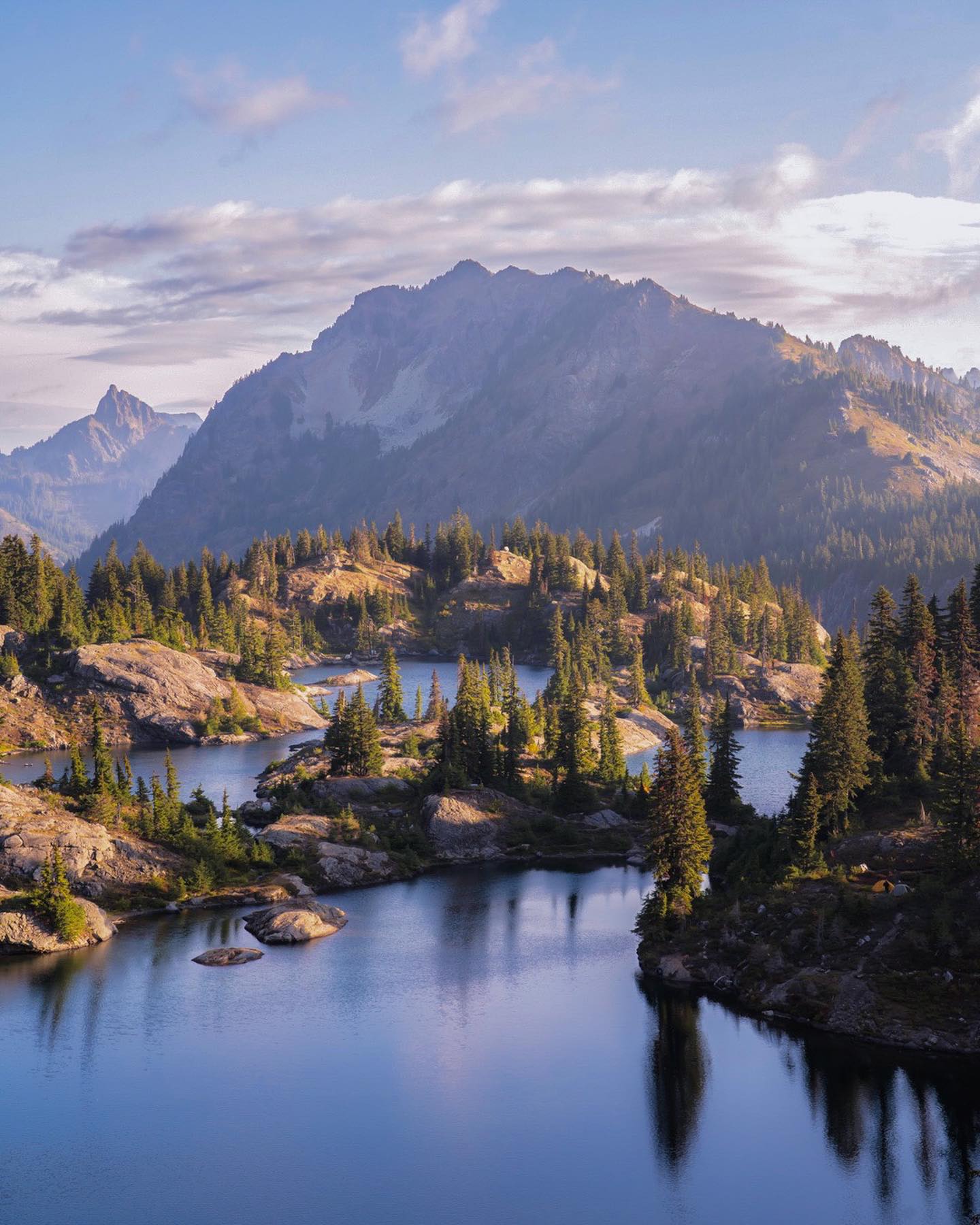
Sunset's Golden Touch On Mountain Lake Landscapes
Mountain lake landscapes are visually striking. They often evoke feelings of tranquility and a profound connection to nature. Many photographers use a slow pan to capture reflections and to highlight the interplay between light, water, and landforms. The video underlines this stunning spectacle, captured during golden hours with the setting or rising sun.
The Tricks Of Sunrise/Sunset Landscape Photography
Mountain lake landscapes have a distinctive presence. The blend of mirrored reflections and sunlight creates a pleasing visual experience, especially in a pan format. Both sunrise and sunset have their own distinct qualities, the latter being more prominent in commercial film and photography. The reflection of mountains and trees over the lake is enhanced especially during these times. Absence of human elements adds to the serenity. In film or photography, it's almost always the choice to let the scenery speak for itself. This is particularly true in landscape silhouettes. An example can be found in cinematic opening or closing scenes, often enhanced with music. This aspect is what makes these landscapes distinctive. These photographs are often composed to capture the angle of sunrise or sunset. With the peak as the primary subject, the reflection and water add an additional layer. Bathing the scene in hues that evoke both tranquility and adventure. The interplay between colors and the luminosity of the sky means photographers are especially meticulous about this aspect. Particularly, since it accentuates the placid nature of the lake’s reflections. The essential components are sunlight and water. They create dynamic yet peaceful compositions. This visual balance can be very appealing to viewers. The calm nature of the water enables the audience to experience a sense of peace. Why It Matters/Sunset Outlooks Sunrise and sunset shots have long been a mainstay in landscape photography and film. This became especially true in the 1970s, when pre-internet users of the photo-sharing service Flickr found that landscape shots had an average of 20 percent more views than close-ups. They are quite popular on social media sites that emphasize visually stunning content. In a busy world, images of tranquil landscapes offer a moment to breathe. Even in the growing trend towards urban aesthetics, serene landscapes maintain their timeless allure. And the timeless appeal of sunrise and sunset shots allows them to transcend cultural and linguistic boundaries. They speak to a universal human appreciation of nature. Additionally, the absence of human elements makes viewers care more about the scenery itself. This creates a deeper sense of connection with nature.
Golden Light And Reflections
The gold and pink hues are distinctive. They soften the harshness of earlier or later parts of the day. Golden hour is the perfect balance of color and light. Mountaintop sceneries and lakes perfectly capture this transition and are typically included in holiday-themed commercials, travel ads, or romantic serenity. This was especially the case in the nature documentary genre of the 1980s, which showcased landscapes in their most pristine, untouched forms.
How It Works
For photographers, the timing of the shot is crucial. Dawn and dusk provide the right light and warm hues. The camera pans horizontally to capture the entire scene. This technique, known as a slow pan, is often used in cinematics. Lighting during sunsets can be particularly challenging. It creates high contrast. The camera must adjust to capture both the bright sky and the darker foreground.
Mountain Lake Landscapes
Mountain lake landscapes provide a sense of tranquility and grandeur. Towering peaks and water bodies create a stunning contrast. Calm waters let in the surrounding peaks and forests, which double the visual appeal.
Practical Guide To Shooting Sunrise/Sunset
When framing, ensure that the mountain peaks are clearly visible in the foreground and the reflections are prominent in the water The golden light on the scene and the reflections will make the image stand out. Timing is important. For the best results, take a few test shots and adjust the exposure settings.
- Gear: High-resolution cameras and wide-angle lenses allow photographers to capture as much of the scene as possible. A tripod is helpful, especially for slow pans.
- Apparel: Photographers must dress in layers or adjust clothing to accommodate changing temperatures. Warm jackets and winter boots are recommended.
Watch the Reel
Questions readers ask
What exactly is the golden hour in photography, and why is it so important for capturing mountain lake landscapes?
The golden hour is the period shortly after sunrise or before sunset, when the sun is low in the sky, creating a soft, warm light. It's crucial for mountain lake landscapes because it enhances the reflection of mountains and trees on the water, adding a golden hue that makes the scene more tranquil and visually appealing.
How do photographers capture the perfect reflection in a mountain lake landscape?
Photographers often use a slow pan technique to capture reflections, which highlights the interplay between light, water, and landforms. They also compose the shot to ensure the angle of the sunrise or sunset is just right, with the peak as the primary subject and the reflection adding an additional layer of depth.
Why are sunsets more prominent in commercial film and photography compared to sunrises?
Sunsets are often preferred in commercial settings because they evoke a sense of closure and tranquility, which can be very appealing for advertisements and travel promotions. Sunrises, on the other hand, are associated with new beginnings and energy, which might not always align with the desired mood of the content.
Can I achieve similar results with a smartphone camera, or is a DSLR necessary for capturing these landscapes?
While a DSLR or mirrorless camera can offer more control and higher quality, many modern smartphones have advanced camera features that can capture stunning landscape shots. The key is to use the golden hour light and a stable surface or tripod to avoid camera shake, especially with slower shutter speeds.
Why do these landscapes often exclude human elements, and how does this affect the viewer's experience?
Excluding human elements allows the scenery to take center stage, creating a deeper sense of tranquility and connection to nature. This approach makes the viewer focus more on the natural beauty, evoking a sense of serenity and adventure. It also allows the landscape to speak for itself, enhancing the emotional impact of the image or scene.
Related deep dives
Similar reads based on topic and creator.


Recent articles
Fresh deep dives from the latest Reels we unpacked.



Comments
Be the first to comment.