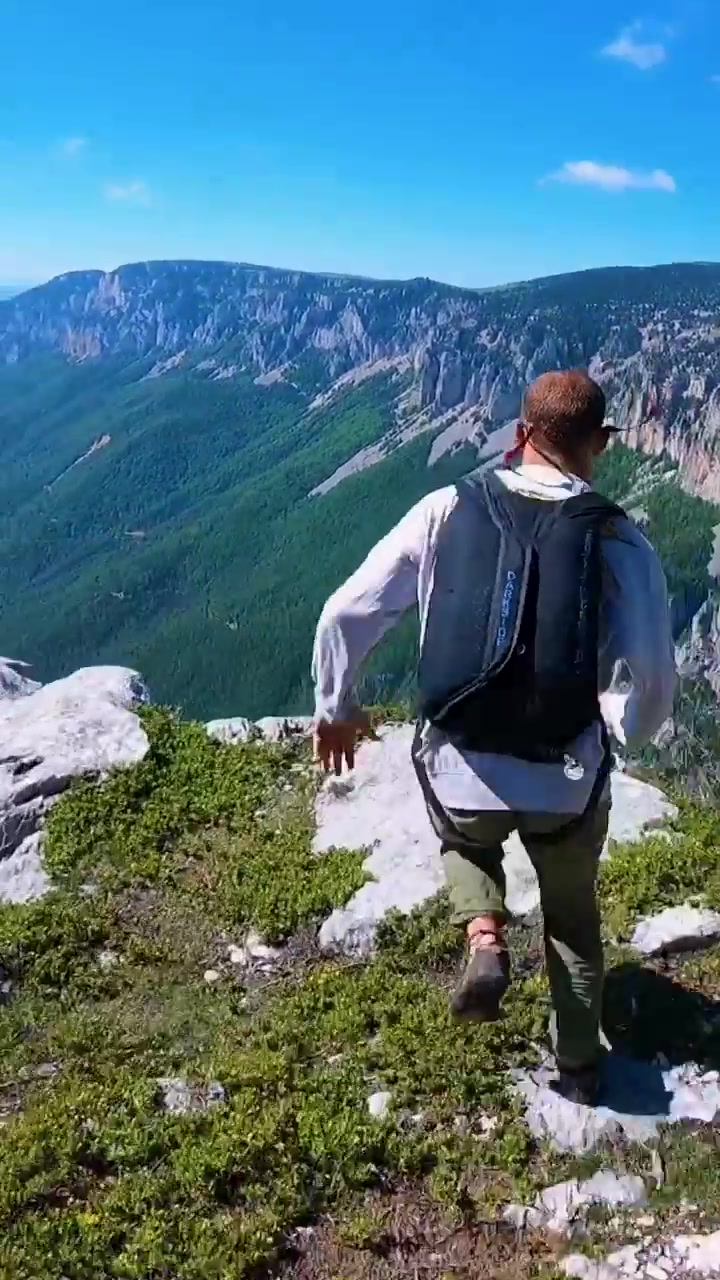
Mountain hiking, the deep intoxicating pull to travel on trails that wind through rocky peaks and wooded slopes. The allure lies in the physical challenge and the beauty of the scenery. One clip in particular showcased the rugged edge of the thing — a hiker traversing steep, exposed sections of a trail, backpack strapped securely around them, trying to navigate the obstacles.
The Nature of the Gauntlet
Trail hiking is a self-powered journey, typically on foot or with hiking-specific equipment to cover challenging terrain. It's distinguished from less demanding forms of outdoor recreation like gentle walks or nature strolling. Hiking isn't casual. It calls for endurance, gear, and navigating landscapes that are often not just rough but also exposed or high-altitude. This isn't a stroll in the park: hikers climb mountains, ford streams, and push through dense woodland, usually with a significant weight-load on their backs. Hiking doesn't demand a nearby mortarboard of digital glory to be enjoyable. It's a personal challenge, and the reward is in the doing. But for the hardy, part of the adventure is hiking to spots no smart-device-sporting masses can access — towering over cities or seeing the sun rise from a peak.
The Adventure Sports Surge
The punishing experience of hiking is almost its opposite in popularity. It appeals to the athletically ambitious and the nature-obsessed. The hiking gear industry has evolved to make the activity more accessible than ever, and even modern technology can't fully tame this primal pastime. There's a Nike, fleet-footed commercialization, but hiking fans are built tough: not even blizzards and bears can scare them off. The peaks themselves aren't going anywhere. There's no place on earth so steep or chilly or vast that a journeying spirit can't conquer. Hiking isn’t a cute niche of outdoor activity anymore: the outdoor recreation industry as a whole is booming. Hiking is a large and growing part of that. Let in the right circumstances, hiking can even become an extreme sport.
The Gear
Hiking is a thrilling journey into the wild, a load of kit accompanies you every step of the way. What exactly do you need on your back? Is it just a mountain and a pair of sturdy sneakers? A good backpack, filled with mostly necessary gear and a few frivolous comforts is the first ingredient. The fit needs to distribute weight properly, and its contents range from essentials to luxury items. Water, a map, and sustenance are necessities. A lighter might be a luxury, but for some the first aid kits are not. Then there are the clothes: waterproof outerwear, a hat, gloves, and shoes that can also be left out of the weight count.
Breathable Layers
Hiking demands movement, so dressing for comfort and endurance is vital. In the mountain wilderness, temperatures can fluctuate wildly, so layering your clothes in breathable fabrics is key to maintaining body temperature. Polyester and merino wool are popular, which wick sweat and dry quickly. Wool is preferred for keeping the warmth around your body, an essential trait when the air around you is cool. An insulating layer keeps heat trapped and away from the transfer of the outside environment. With the right jacket, down or synthetic materials are good choices here. And the outer layer? The most exposed to weather: a waterproof and windproof shell.
Food and Water
To navigate trail hiking and keep yourself fueled, you need more calories than usual. The best food to pack is high in energy and light to carry. Trail mix, dried fruits, and energy bars are staples with a long shelf life. More adventurous hiking spots may call for a larger meal, so dehydrated foods are popular as well. Weight and volume of the chainsaw-sized backpack will restrict some of the more comfortable meals: freeze-dried food is a hiking staple. Hydration is crucial, and more so at high altitude. A water bottle or hydration pack is essential. Water storage keeps weight down, and filtration systems convert creek or pond water into drinking water.
The Physical Challenge
So you have the gear. There are three simple steps to getting started. The body needs to be trained for the altitude and the terrain. Experts recommend conditioning through regular cardiovascular exercise and hiking frequently on increasingly challenging trails. This is where many fail, but the commitment is the only thing keeping them back. Training should also include hiking with full weight gear.
The Climb
You have to hike with your gear, and the gear comes with weight. The beauty of hiking is to climb higher than you think your body can handle. But it takes strength in your leg muscles, so exercises like squats, lunges, and calf raises are essential. Cheat from the steady hands of the trees, but the trails are always slippery. And the higher you go, the thinner the air, so the experience can be quite strenuous. It's a bit more drastic if you're not at your best, but altitude sickness can put a damper on the hike even for the most seasoned climber. This is going to knock out your plan, but not your perseverance.
Panic Points
Mountain hiking is physically demanding, with mental stamina and resilience also essential for tackling unforgiving terrain and harsh conditions The reason to bring a map is that you might get lost. Training is good to keep the anxiety at bay, but it can strike even the most prepared and experienced hiker. The physical trails are definitely navigable, and the mental roadblocks are possible to overcome.
True Trail Tips
For hiking enthusiasts ready for a challenge or novice hikers taking up the pursuit, here is how you do it right:
- Plan Your Route: Make sure to research your intended path and have maps of the trail with you. Do not require you to pay attention to any pointers along the way, though.
- Pack Wisely: Pack a waterproof backpack with essentials, including clothing layers, a first aid kit, and a compass. Because either it forecasts cloudy skies, or a storm breaks out.
- Stay Hydrated: Drink lots of water. Hydration is key, especially when the air is thinner. Try a hydration pack for hands-free drinking.
- Follow the Leave No Trace Principles: Practice these principles to keep the trail clean. Follow the principles of Leave No Trace.
The Hiking Go-Ahead
Mountain hiking is not for the faint-hearted. It's not for the casual nature lover. But those who are ready and willing to attempt this feat will find the experience rewarding. The mental and physical challenges of hiking test the limits of human endurance. There's nothing like the satisfaction of reaching the summit, tired and breathless.
Watch the Reel
Questions readers ask
What exactly makes mountain hiking different from regular hiking?
Mountain hiking is distinguished by its challenging terrain, including steep gradients, rocky peaks, and high-altitude trails. It often involves navigating exposed sections and requires more endurance and specialized gear compared to regular hiking, which might involve gentler, more accessible trails.
How does one prepare for the physical demands of mountain hiking?
Preparing for mountain hiking involves building endurance through regular exercise, especially activities that mimic the demands of hiking, like stair climbing or hill walking. Strength training for the legs and core can also help, as can practicing with a weighted backpack to get used to the load.
What essential gear should I bring on a mountain hike?
Essential gear includes a well-fitted backpack with a proper weight distribution, water, a map, and food. Clothing should be breathable and layerable, with options for waterproof outerwear, a hat, gloves, and sturdy shoes. A first aid kit and a lighter are also recommended for safety.
Can I hike steep trails without any prior experience?
It's not recommended to tackle steep trails without any prior experience. Starting with easier, less challenging hikes allows you to build your skills and endurance. Consider joining a hiking group or going with an experienced friend to learn the ropes and gain confidence before attempting more difficult trails.
How do breathable fabrics like polyester and merino wool help in mountain hiking?
Breathable fabrics like polyester and merino wool are ideal for mountain hiking because they wick sweat away from the body, helping to keep you dry and comfortable. They also dry quickly, which is crucial in fluctuating mountain temperatures. Wool, in particular, retains heat even when wet, making it a good choice for insulation.
Is mountain hiking becoming more popular?
Yes, mountain hiking is indeed becoming more popular as part of the broader boom in outdoor recreation. The hiking gear industry has evolved to make the activity more accessible, and even modern technology can't fully tame this primal pastime. More people are seeking the thrill and challenge of conquering rugged landscapes.
Related deep dives
Similar reads based on topic and creator.


Recent articles
Fresh deep dives from the latest Reels we unpacked.


Comments
Be the first to comment.