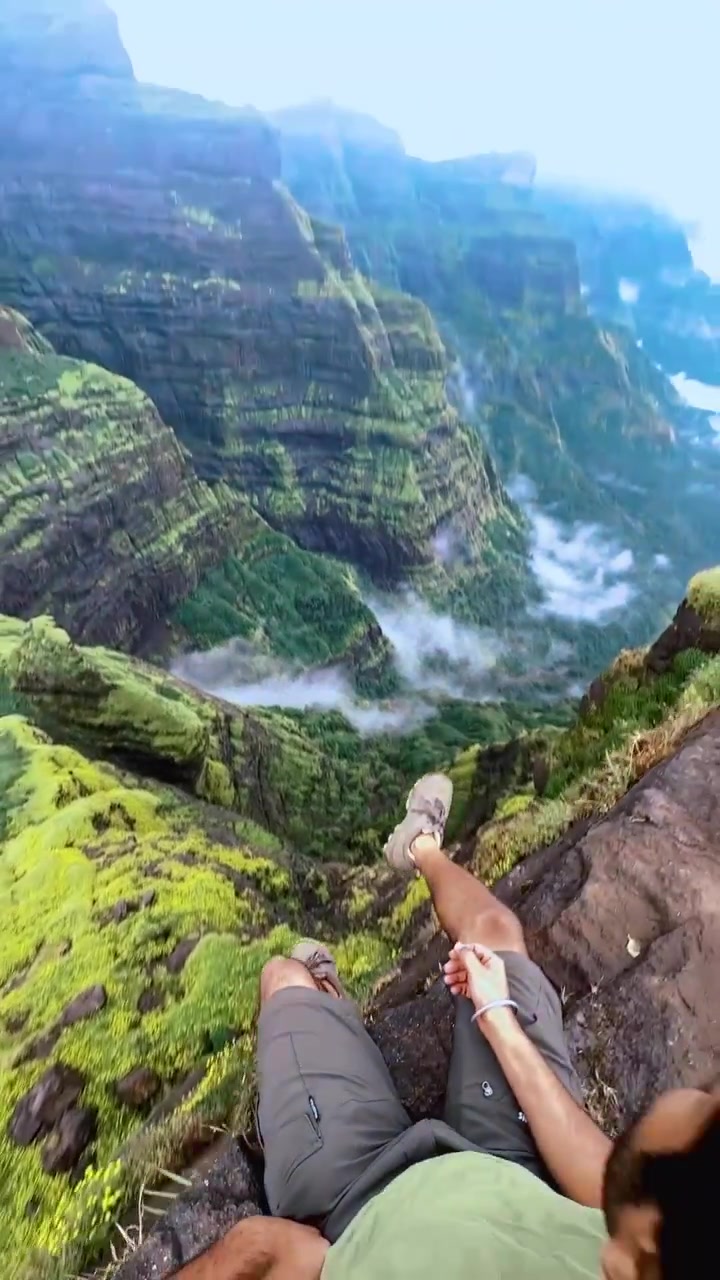
Mountain hiking doesn’t just mean walking uphill — it means immersing in a habitat devised by rock and time. The difference between walking uphill on a trail and hiking shows the imagery in the vivid scene: Mountain trails range from easy gravel roads to technical scrambles. Adventurers must know what they're made of and what lies ahead.
A Wild Path with a View
Mountain hiking involves navigating rugged terrain, often at high altitudes, to reach peaks or other scenic points. Unlike city walks or suburban trails, mountain hiking demands physical endurance, navigation skills, and preparation for unpredictable weather and terrain. What sets mountain hiking apart from other outdoor activities is the scale of elevation gain and loss, the ruggedness of the terrain, and the isolation from civilization. Unlike road walking, hiking trails demand physical challenges including steep inclines and rocky terrain. Trails traverse a mountain, not just up and down. The Mountain Hiking Adventure footage focuses on a hiker taking in a cliffside view; foregrounding trails and the entire experience. Mountain trails carry the adventure upwards to expansive vistas. These paths vary in length and difficulty, from gentle forest trails to challenging treks over rocky ridges and steep ascents.
Go Where the Hills Grow Wild
Mountain hiking is part of a wider trend toward immersive, outdoor experiences. For an increasing number of adventurers, road walking or easy-paced trails don’t quite cut it — they’re seeking the solitude, physical challenge, and stunning vistas that only mountain hiking can offer. According to the 2023 Outdoor Industry Association report, hiking has increased its popularity over the last decade. Mountain hiking is also part of a broader cultural shift towards reconnecting with nature. People are drawn to the ruggedness and physical challenge of hiking through vast, wild landscapes. This urge isn’t just passing. Mountain hiking can offer a profoundly therapeutic moment of solitude. Hiking in the mountains allows individuals to escape from the noise of everyday life. It can lower stress levels, boost mood, and provide a sense of accomplishment. This alone could explain its surging popularity.
The Trail
Mountain hiking trails are the lifeblood of any mountain adventure. Trails are more than pathways. They showcase the work of geology to human activity.
Carving the Paths
Mountain trails are constructed over time. Official trails through national parks and wilderness areas are built and maintained by organizations such as the U.S. Forest Service or the National Park Service. These paths are often built over existing footpaths. Some traders maintain a social trail in the people who travel off of marked paths who also contribute over time. Maintenance is a process of cutting back vegetation, repairing washed-out sections, and marking the trail with signs or cairns. The types of trails in remote wilderness ranges from untouched natural landscapes to crisscrossed paths from people going their own way.
The Sights Along the Way
The mountain hiker’s world builds up naturally. The landscape offers a panorama of alpine lakes, rugged peaks, and lush valleys. The elevation gain highlights a diversity of ecosystems. From dense forests to barren alpine zones. The trail brings different textures in the same way a marathon showcases different terrains. The altitude brings unique flora and fauna. Alpine wildflowers bloom.
The rewards
The end of the trail brings a sense of accomplishment. The vista is a visual reward because the trail involves physical struggle and navigation. Trails lead to vistas as breathtaking as anything the natural world has to offer. Symbolic of this is the cliffside rock overlooking a valley. Each step uphill leads to unfolding vistas. The reward is the final sightline: the peak or natural vista.
Find Your Own Path
For those drawn to mountain hiking, here are some tips to get started:
- Choose a trail thats right for you: Research the trail beforehand and understand its difficulty level. Mountain trails are graded based on difficulty, with ratings ranging from easy to strenuous.
- Time it right: Check the weather forecast before heading out, and be prepared for changing conditions. Always carry the ten essentials, including a map, compass, and extra clothing.
- Prepare for elevation: Mountain trails gain and lose altitude quickly. Understand that your walk to the base of the mountains is different in elevation from the final peak.
- Hydrate and fuel: Carry plenty of water and high-energy snacks to keep your energy levels up. The air is thinner, demand more energy.
- Practice safety: Always let someone know your plans and expected return time. Carry a first-aid kit and know basic first-aid skills. Be aware of potential hazards, such as steep drops, loose rocks, and wildlife.
The Untouched
Mountain hiking is a means to escape every-day civilization, and also a way of engaging it. To leave the cityscape for tree-filled paths. To seek and find in a world apart from the human world. Walking the mountain trail brings closer to nature and the authentic environment. Walking in mountains is a mode of engagement that brings people closer to the power and wilderness.
Watch the Reel
Questions readers ask
What makes mountain hiking different from regular walking or hiking on easy trails?
Mountain hiking is more demanding than regular walking or easy trails because it involves navigating rugged terrain at high altitudes, dealing with unpredictable weather, and often requires significant physical endurance and navigation skills. It's not just about walking uphill; it's about immersing yourself in a habitat shaped by rock and time. The elevation gain and loss, along with the isolation from civilization, set it apart from other outdoor activities.
What kind of trails can I expect when mountain hiking?
Mountain trails vary widely in difficulty and scenery. They can range from easy gravel roads to technical scrambles. Some trails are gentle forest paths, while others involve challenging treks over rocky ridges and steep ascents. The trails often traverse the mountain, not just going up and down, and offer expansive vistas. The types of trails in remote wilderness ranges from untouched natural landscapes to crisscrossed paths from people going their own way.
How are mountain trails constructed and maintained?
Mountain trails are often built and maintained by organizations like the U.S. Forest Service or the National Park Service. They are constructed over time, sometimes over existing footpaths, and involve cutting back vegetation, repairing washed-out sections, and marking the trail with signs or cairns. Maintaining these trails is a constant process, and even social trails, which are unofficial paths created by hikers, contribute to the overall trail system over time.
What kind of physical and mental challenges can I expect from mountain hiking?
Mountain hiking demands both physical and mental endurance. Physically, you'll face steep inclines, rocky terrain, and the challenges of high altitudes. Mentally, it requires preparedness for unpredictable weather, navigation skills, and the ability to handle isolation and solitude. It's an assault course on a mountain's slope that tests your limits, grabs your thighs, and engages your mind and soul.
Why is mountain hiking becoming more popular?
Mountain hiking has seen a surge in popularity due to a broader cultural shift towards reconnecting with nature. People are drawn to the solitude, physical challenge, and stunning vistas that mountain hiking offers. It provides a therapeutic escape from everyday life, lowering stress levels, boosting mood, and providing a sense of accomplishment. Additionally, the 2023 Outdoor Industry Association report shows that hiking has increased in popularity over the last decade, indicating a growing interest in immersive, outdoor experiences.
How do mountain trails showcase the work of geology and human activity?
Mountain trails are more than just pathways; they are a testament to both natural and human forces. The landscape itself, shaped by geological processes, offers a panorama of alpine lakes, rugged peaks, and various natural features. Meanwhile, the trails themselves are a result of human activity and maintenance, often built over existing footpaths and maintained by organizations dedicated to preserving these natural wonders.
Related deep dives
Similar reads based on topic and creator.


Recent articles
Fresh deep dives from the latest Reels we unpacked.




Comments
Be the first to comment.