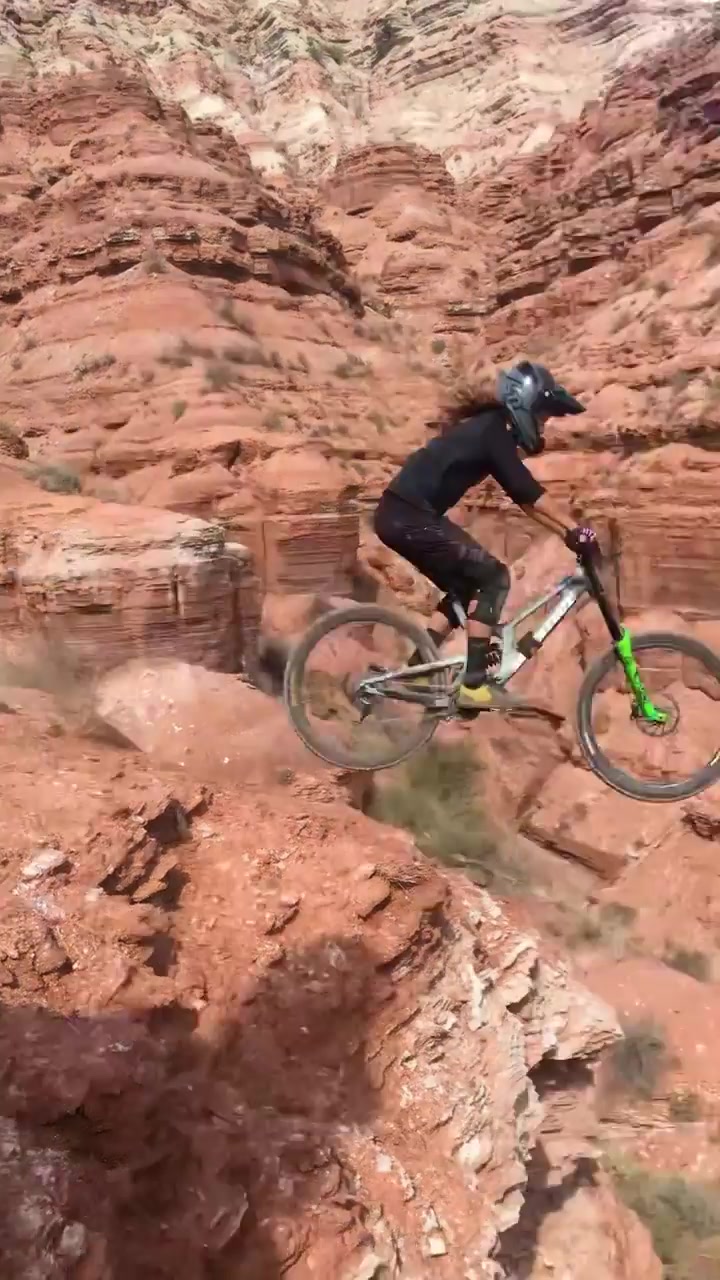
From the rugged cliffs of a canyon, mountain biking meets its arena — a race against gravity down a steep, winding trial. The sport is not for the faint-hearted*.*
A test of guts and grit
Mountain biking in a canyon is a thrill ride. Riders navigate steep trails, and jump over rocks in a far from controlled descent. They need to master expert maneuvers to tackle the obstacles trail riders face. Mountain biking is eventful; there could be jumps, small rocks, and other hurdles. The thrill of the sport, however, comes from the natural setting, the powerful physical exertion, and the presence of risk.* This event, with its deep dives into civilization and nature, as shown, is a memorable experience. Riders take part in this event at their own risk. Having the spectacular views of mountains is something that will stick to the memory of the riders. Sportsmen ride along the mountain trails and have sharp turns, steep tracks, and other features that make the sport so challenging.
The lure of the wild - Canyons are for the adventurous
The sport of mountain biking is attracting more and more riders who want to land the jumps and master the trails. Using nothing but their bike and balance, riders navigate the unforgiving canyon landscapes. Mountain biking is an art of deflection. Riders know the power of a bike and gravity. While gravity works to pull riders down the trail, riders use their bodies and bikes to deflect the force of gravity. They use the bikes, handlebars, and the body to keep the momentum going, helping them take the jumps, and navigate the sharp turns. The natural beauty of the trail and its terrain adds an adventure to the sport. The bid to master the trails draws fitness addicts, adrenaline junkies, and adrenaline procurers to this sport. Riding down the steep canyons is not a different adrenaline rush. It’s a chance for bikers to show off their skills and stamina. They are driven by the need for adventure. Those who love mountain biking travel to beautiful areas to find the best trails. Mountain biking in canyons has a danger element to it. Riders might fall and get themselves wounded. Riders fall all the time — they have to get up and get going. Goring along the steep trails is a rush and, chances are, someone will get hurt. Yet, riders keep coming back for more. One of the reasons why this sport is thrilling is that a rider is in control: They decide where and when to go.
The Biking Experience starts with Practice
Bikers have a checklist of things that they need to consider when hiking up the trails. Riders need to ride safely so that they can enjoy the thrill of riding along the trails. Mountain biking in canyon weaves together challenges. The trails create an obstacle course, a dynamic journey that bounces riders through a natural, rocky landscape. Downhill riding is heavy with a focus on speed and endurance. Keep in mind as you ride along the trails that you should hold your handlebars. Lean back to go uphill and forward to descend.
Rapid Descents
Riding steep trails is a departure from gravel roads and smooth pavement. Trails demand a fresh approach to mountain biking. The riders have to develop a new skill set. Going downhill is the opposite of going uphill. Riders need to practice how to go downhill. A steep downhill trail is going to be more difficult than an easy downhill trail. Riders need to practice going downhill. Practice makes perfect. They need to work in small and manageable chunks. They need to ride downhill with control, balance, and precision. Mountain biking in canyons is a thrill. It's a wild ride that challenges riders to put their skills to the test. Downhill biking requires a lot of practice. For beginners, it will be a challenge, but for experts, it’s going to be a love for the easy.
Conquering Gravity
Riders use a combination of skills to manage the bumps on the trail. Experienced riders know how to shift their weight and lean into the turns. Any turn can have a dynamic feel. Riders need to observe the trail to know when to lean and when to shift. Even the best riders can be caught off guard. To avoid a disaster, riders need to be in the zone. They need to be alert and quick on their feet. That will lower the risk of falling.
Navigating the natural hazards
Riding in a natural environment means that you have to deal with obstacles. The rocks and trees are part of the trail. Riders need to practice how to handle these obstacles. Start small, navigate the obstacles, and gradually increase the size and difficulty. When you encounter an obstacle, you need to focus on how to navigate it. Riders need to be mentally prepared for the obstacles. They must be prepared to make split-second decisions.
Learning from legends
While mountain biking has gained popularity as a sport, there are very few experts. Some of the bikers who conquered the sport include Aaron Gwin, Rachel Atherton, and Danny Hart. Aaron Gwin is a downhill mountain biker. He won the UCI Mountain Bike World Championship in 2010, 2012, and 2017. Rachel Atherton is yet another world champion. She has won the UCI World Championship five times. Danny Hart won the 2013 UCI World Championships. What sets these experts, apart from their ability, is their passion for mountain biking. They have the dedication to learn how to handle the trails.
Taking the fall
Mountain bikers know there are dangers. When it comes to mountain biking, there’s a risk of injury. There are risks ranging from a broken bone to concussion. Riders have to develop a survival instinct. The focus is not on winning the race, but on how to control themselves and their bikes.
How to try mountain biking
In real life, mastering the skills it takes to conquer a canyon — however — isn’t the same as watching someone else navigate it. It takes physical exertion and sweat. If you want to try to tackle a steep trail:
- Find your bike: Find a bike that you can ride confidently. Start small and keep practicing. Go biking trails that you can handle then move on to harder trails. The important thing is to learn how to handle the basic movements to keep your balance.
- Conditioning: Work on your cardio and get in shape. This will help you keep your mind alert. The goal is to know what to do in case of an emergency. It’s about avoiding accidents, rather than preventing them.
- Get coached: Find a coach who is knowledgeable and experienced. Find a person who has a unique passion for mountain biking. That’s how you can learn the best practices and get coaching tips. A mountain bike coach will help you navigate the sport. You need to learn the right skills to work on.
- Know the terrain: Go biking in areas that are safe. Look for trails that you can handle and that won’t overwhelm you. You can, for example, go to places where the trails are a bit safe. This might be something that you can start practicing at first. You need to learn more about the terrains. The thrill of mountain biking, coming down a steep and winding trail, is a sport. Blade by blade, it’s a test of navigation and balance. It’s not for those faint of heart. Practiced riders may look unfazed. But they aren’t. They’ve learned to deal with the thrill.
Watch the Reel
Questions readers ask
What makes canyon mountain biking different from regular mountain biking?
Canyon mountain biking is distinguished by its extreme terrain, including steep cliffs, jagged rocks, and sharp turns. Unlike regular mountain biking, which can occur on a variety of surfaces, the canyon variety focuses on descending rapidly and navigating through natural obstacles. The thrill comes from the combination of natural beauty, physical exertion, and the inherent risk.
How do riders control their descent in canyon mountain biking?
Riders use a combination of their bike, handlebars, and body to deflect the force of gravity and maintain momentum. They lean back to go uphill and forward to descend, using their bikes to navigate jumps, sharp turns, and other obstacles. It's a dynamic interplay between the rider, the bike, and the natural terrain.
What kind of skills do you need to start canyon mountain biking?
Canyon mountain biking requires a strong foundation in general mountain biking skills, including balance, control, and maneuverability. Riders need to be comfortable with steep descents, jumps, and navigating through rocky terrain. It's also important to have a good understanding of how to use your bike and body to deflect gravity and maintain momentum.
Is canyon mountain biking only for experienced riders?
While canyon mountain biking is indeed challenging and not recommended for beginners, it's not exclusively for the most experienced riders either. Many riders who enjoy a good adrenaline rush and have a solid foundation in mountain biking skills might find canyon biking to be an exciting new challenge. However, it's crucial to start with easier trails and gradually build up your skills and confidence.
What should I do if I fall while canyon mountain biking?
Falls are a part of the sport, and it's important to know how to handle them. If you fall, assess yourself for injuries first. If you're okay, get back up, dust yourself off, and keep going. It's all part of the adventure, and riders often find that the thrill of the sport keeps them coming back for more, despite the risks.
Are there any specific safety measures I should take before canyon mountain biking?
Before heading out, make sure you have the right gear, including a helmet, protective clothing, and a well-maintained bike. It's also important to know your limits and choose trails that match your skill level. Always let someone know where you're going and when you expect to return. Having a first-aid kit and knowing basic first-aid can also be crucial in case of injuries.
What kind of trails can I expect in canyon mountain biking?
Canyon mountain biking trails are known for their steep descents, sharp turns, and natural obstacles like rocks and jumps. They can vary in difficulty, but all offer a challenging and thrilling ride. The trails often weave through rugged landscapes, providing stunning views and a sense of adventure. It's important to research and choose trails that match your skill level and experience.
Related deep dives
Similar reads based on topic and creator.



Recent articles
Fresh deep dives from the latest Reels we unpacked.


Comments
Be the first to comment.