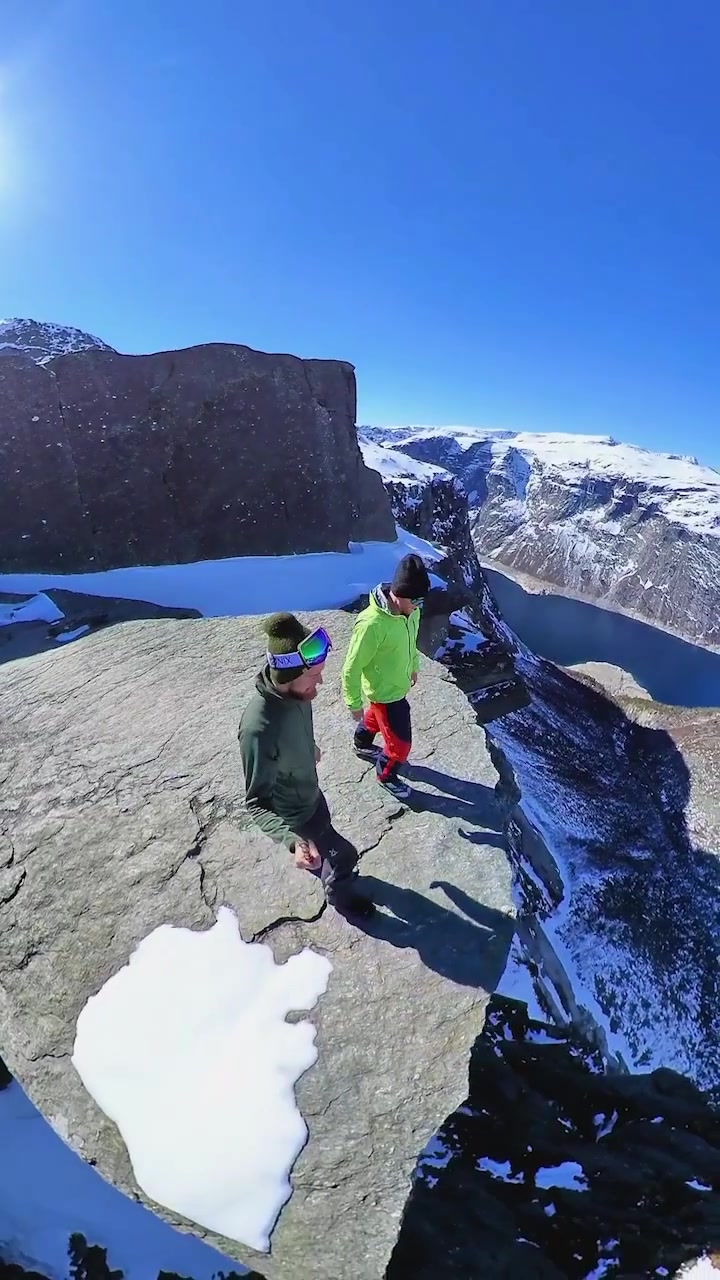
The heather, granite, and mist unfurl like a rich tapestry a lake's surface. The people are close to the edge, near a precipice. The terrain is craggy, rocky and breathtaking.
Mountain Adventures — the words, the reality
Mountain adventures are experiences that take place in the rugged, high-altitude terrain of mountains. These activities range from hiking and rock climbing to skiing and paragliding. They differ from other outdoor pursuits in their level of physical challenge and the unique beauty of alpine environments. This includes the remote, stunning rocky outcrops, the height and the elements providing thrill seekers with a perfect platform to impress upon. A good adventure will make you feel alive and well as you snap images of alpine lakes, snow-capped peaks and waterfalls to remember the adventure. The most compelling moments emerge from a successful hike climbing rapid escapes or the thrill of a thrilling rappel adventure. Getting up and down mountains requires proper gear, planning, and a deep appreciation for the wilderness. There are section of mountains you must sometimes walk over or climb the mountain along a trail, sometimes you can see mountains across a lake which you want to see here instead or climbed up but there is a problem because you are limited to your body shape or because you have to book a adventurer of sorts, it can be part of your experience. Rock climbers and mountaineers engage activities up steep inclines, using ropes, harnesses, and other equipment to ascend safely. For those who prefer speed and excitement, skiing and snowboarding offer a exhilarating way to traverse snowy slopes.
Adrenaline and Altitude — the activity's pull
Mountain adventures have transitioned from a niche pursuit to a mainstream trend. At the heart of this trend is adrenaline. Adventurers often recite the feelings of accomplishment, the rush of adrenaline, and the raw connection to nature. These activities aren't just about the destination; they're also about the journey and the challenges overcome along the way. Adventure thrill seekers want to look to the edge of a cliff or mountain and say: "I did that just then", the highest most remote peaks continue to draw adventurers. For many, mountain adventures serve as a powerful form of escapism, providing a break from daily routines and a chance to reconnect with nature. The COVID-19 pandemic exacerbated this desire, prompting more people to seek outdoor adventures as a means of maintaining mental and physical well-being during lockdowns. A mountain adventure provides a connection to the people you meet in the mountains or the craggy rocks or the alpine lakes, the beauty and the challenge of these environments often lead to lifelong memories of the adventure. These experiences can foster a deeper appreciation for the natural world and a renewed commitment to conservation efforts.
Finding your footing
Mountaineers and rock climbers negotiate steep inclines and technical routes. As mountaineers ascend, snow, ice, and unpredictable conditions—such as storm clouds or wind gusts—can intensify the challenge. This thrill is about reaching the top. Climbers enjoy the solitary accomplishment of conquering a technical route, while mountaineers find satisfaction in reaching the summit of a high-altitude peak. Climbers navigate technical challenges, utilizing ropes and harnesses. Mountaineers might need ice axes or crampons, adapting to shifting weather conditions. On the other hand, adventurists equal to paragliders who seek the thrill of jumping off mountains, skiing, or skiing. They are recreational and allow for rapid movement, making them popular among adrenaline seekers. Xtreme sports are worth the hype due to their inherent thrill.
Climbing chucking and thrill-seeking
Traversing a mountain requires meticulous preparation and skillful execution. You're not just walking; you're navigating jagged terrain, steeps, and cliffs. Alpine climbers tackle craggy, icy or snowy terrain, reaching the summit is the thrill. Climbers, who use ropes and harnesses. The thrill of climbing comes from overcoming the challenges of reaching the top of a hill, the rush of adrenaline. Paragliders who seek the thrill of jumping off mountains, skiing, or snowboarding. These sports offer speed and rapid movement, making them popular among thrill seekers.
Guided trips and training
Adventure enthusiasts can join guided trips led by experienced professionals. Doing a training course is a must. There are organisations and platforms where climbers can rent gear and receive instruction. Equipment considerations are important. Climbers need helmets, ropes, and harnesses, while campers might require tents, sleeping bags, and other camping gear. For many, guided trips are essential as mountain climbing can be dangerous. Emphasizing the beauty of the rivers, the feeling of being in the moment.
From the mountains
Mountains serve as a backdrop for some of the world's most memorable landscapes. Adventurers have the opportunity to immerse themselves in the natural beauty of it all, whether it is finding a spot to take a picture of the alpine lakes or encountering diverse landscapes, including rocky outcrops and steep inclines. The thrill of hiking, climbing, and skiing can be found here. Adventurers also have the opportunity to immerse themselves in the natural beauty of it all, the chance to reconnect with nature provided a sense of escapism. This experience may inspire a deep appreciation for the landscape, leading to a commitment to conservation and a desire to preserve it for future generations.
Watch the Reel
Questions readers ask
What kind of activities are typically included in mountain adventures?
Mountain adventures encompass a wide range of activities, including hiking, rock climbing, skiing, snowboarding, and paragliding. These activities are characterized by their physical demands and the unique beauty of alpine environments, which often include stunning vistas, rocky outcrops, and high altitudes.
How do mountain adventures differ from other outdoor activities?
Mountain adventures stand out due to their elevated physical challenges and the distinctive beauty of alpine settings. Unlike other outdoor pursuits, mountain adventures often involve navigating steep inclines, dealing with unpredictable weather conditions, and experiencing the thrill of high-altitude environments.
What kind of gear is essential for mountain adventures?
Essential gear for mountain adventures typically includes items like ropes, harnesses, and other safety equipment for activities like rock climbing and mountaineering. For hiking and skiing, appropriate footwear, warm clothing, and navigation tools are crucial. Proper planning and a deep appreciation for the wilderness are also important.
How has the COVID-19 pandemic impacted the popularity of mountain adventures?
The COVID-19 pandemic has significantly increased the popularity of mountain adventures. Many people turned to outdoor activities as a means of maintaining mental and physical well-being during lockdowns, seeking escapism and a connection with nature. This trend has made mountain adventures more mainstream, drawing in a broader audience.
What are some of the unique challenges that mountain adventures present?
Mountain adventures present unique challenges such as navigating steep inclines, dealing with unpredictable weather conditions, and the physical demands of high-altitude environments. Activities like rock climbing and mountaineering require specialized gear and skills, while skiing and snowboarding offer a different kind of thrill with the speed and excitement of traversing snowy slopes.
Related deep dives
Similar reads based on topic and creator.



Recent articles
Fresh deep dives from the latest Reels we unpacked.



Comments
Be the first to comment.