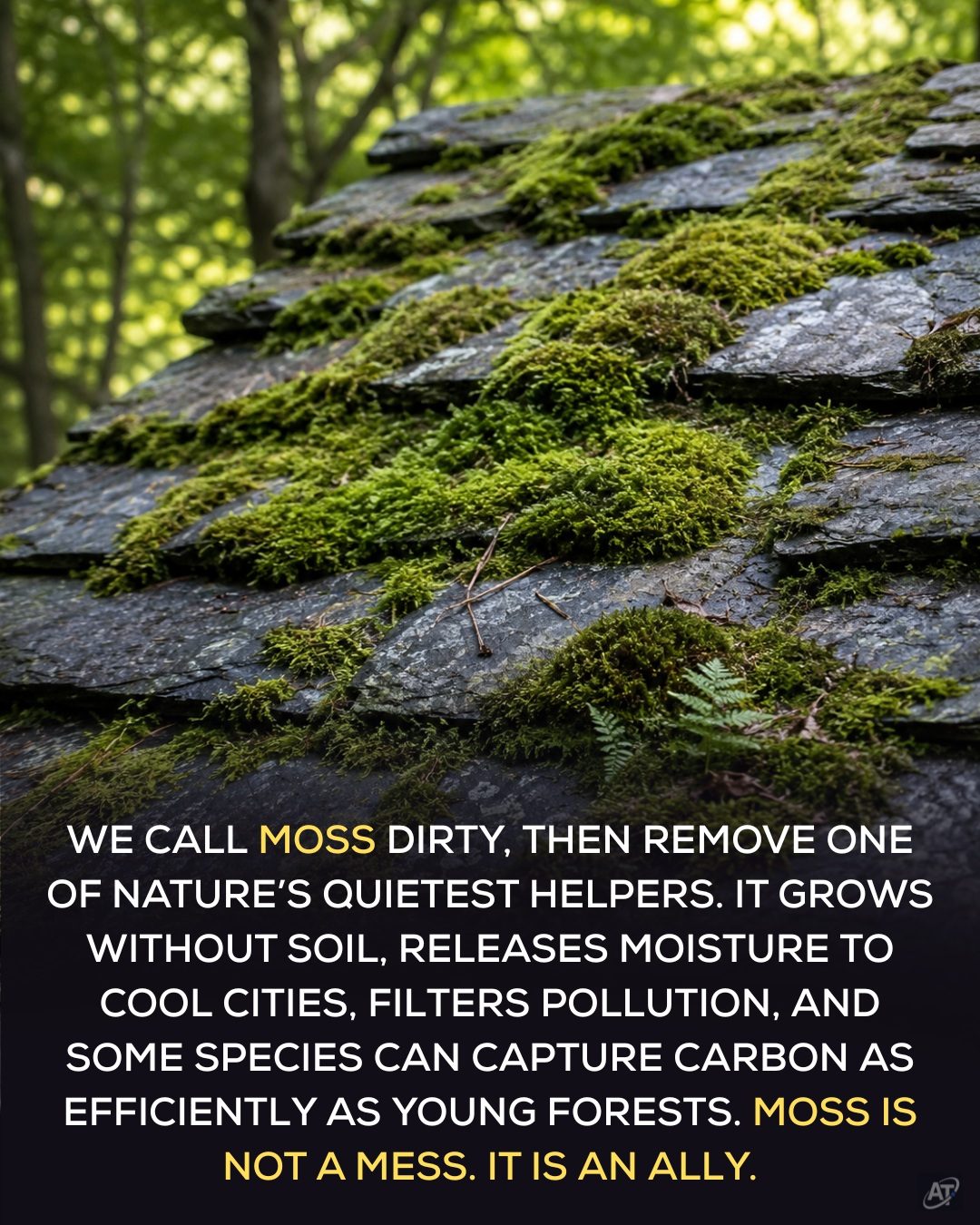
Moss and Its Benefits
Moss often goes unnoticed, thriving quietly on stones, soil, walls, tree roots, and damp areas where many plants can't. Often dismissed as simple "green fuzz," it’s frequently cleared away without a second thought. However, moss is far more than just a tiny, insignificant plant. It plays a vital role in the ecosystems around it.
Why This Matters
Understanding the role of moss in our environment is crucial for a variety of reasons. From its ability to support soil health to its part in urban temperature regulation, moss is a powerful ally in nature. By appreciating and preserving it, we can contribute to a healthier planet.
Main Discussion
Ecological Benefits
Moss does a lot of heavy lifting in its small, unassuming way. It holds moisture, protects exposed soil, and creates tiny habitats for insects and microorganisms. These tiny ecosystems are instrumental in nutrient cycling, which is essential for soil health. In fact, soil mosses are linked with healthier soil functions, including greater carbon storage, nutrient pools, and organic matter decomposition. This was highlighted in a global study published in Nature Geoscience.
Soil Health and Nutrient Cycling
One of the primary benefits of moss is its contribution to soil health. By holding moisture and preventing soil erosion, moss creates a more stable environment for other plants. It also supports nutrient cycling by breaking down organic matter, which enriches the soil. This process helps to reduce the levels of some soil-borne plant pathogens, making the soil healthier for other plants.
Carbon Storage
Moss plays a significant role in carbon storage. It captures and stores carbon dioxide, one of the primary greenhouse gases, which helps mitigate climate change. This is especially important in urban environments, where surfaces like concrete and asphalt can trap heat and increase temperatures.
Urban Environments
In cities, moss isn't just a pretty addition to your garden or a symbol of damp weather conditions. It plays a role in managing urban temperature dynamics. By growing on cement-like surfaces, moss can help cool the environment, making it a key component in nature-based design for heat management.
Temperature Regulation
New research has shown that moss on cement-like surfaces can affect urban temperature dynamics. This is particularly important in urban areas where heat islands—areas that are significantly hotter than their rural surroundings—can have detrimental effects on human health and the environment. By incorporating moss into urban planning, cities can mitigate these effects and create more livable spaces.
Practical Considerations
While it's clear that moss has its benefits, it's important to manage it properly. Not every patch of moss should be left unchecked. For example, moss on a slippery walkway or roof can pose safety risks. For these areas, regular cleaning might be necessary.
Practical Tips
Whether you’re in a city or a rural area, understanding how to work with moss can enhance its benefits:
Identification and Appreciation
Before you decide to remove moss, take a moment to observe and appreciate it. Identify where it is growing and what it is doing. This will help you make informed decisions about its management.
Strategic Removal
If you need to remove moss, do so strategically. For instance, moss on walkways, roofs, and other structures can be problematic. In these cases, it’s best to clear it away to prevent slips and falls.
Encouraging Moss Growth
If you have an area that would benefit from moss, consider encouraging its growth. Moss can thrive in shady, moist areas, making it a great addition to gardens and other green spaces.
Urban Integration
In urban settings, incorporate moss into your landscape design. This can be done by creating moss walls, which not only add an aesthetic appeal but also help in temperature regulation.
Important Takeaways
- Moss is vital for soil health and nutrient cycling.
- It captures carbon efficiently, contributing to climate change mitigation.
- Moss can help manage urban temperature dynamics.
- Not all moss should be removed; sometimes it's working as an ally in nature.
- Strategic removal and encouragement of moss growth can enhance its benefits.
Conclusion
Moss may be small and often overlooked, but it plays a crucial role in our ecosystems. From supporting soil health to helping manage urban temperature dynamics, moss is a powerful ally in nature. By taking a closer look at where it is growing and what it is doing, we can better understand how to work with it to create healthier and more sustainable environments.
Watch the Reel
Questions readers ask
Why is moss important for soil health in urban areas?
Moss helps to stabilize soil, preventing erosion and maintaining soil structure. It retains moisture, which is crucial for other plants, and contributes to nutrient cycling. By holding onto water, it makes urban green spaces more resilient during dry spells, helping to support other plants.
How does moss contribute to carbon storage in cities?
Moss, through photosynthesis, absorbs carbon dioxide from the atmosphere and stores it as biomass. By covering surfaces like walls, rooftops, and tree roots, moss can significantly increase carbon sequestration, helping mitigate the impacts of urbanization on climate.
What role does moss play in regulating urban temperatures?
Moss helps regulate urban temperatures by providing a cooling effect. It can absorb and retain water, which evaporates slowly, helping to keep surrounding areas cooler. This process can offset the urban heat island effect, making cities more comfortable during hot weather.
Is moss beneficial for urban green spaces?
Yes, moss is highly beneficial in urban green spaces. It thrives in areas where traditional plants might struggle, adding visual appeal and ecological benefits. Moss also reduces the need for watering, mowing, and maintenance, making it a sustainable option for urban landscaping.
How can urban moss support nutrient cycling in cities?
Urban moss supports nutrient cycling by breaking down organic matter and releasing nutrients back into the soil. This process enriches the soil, making it more fertile and supporting the growth of other plants. Moss also helps to filter pollutants from the air and water, improving overall environmental quality.
What are the best ways to manage and grow moss in urban areas?
To promote moss growth in urban areas, provide it with a suitable environment by ensuring it has access to moisture and partial shade. Avoid using chemicals like herbicides and pesticides. Regularly watering damp surfaces and reducing foot traffic can also help moss thrive, even in the heart of the city.
How can urban moss be beneficial for important environmental benefits?
Urban moss provides several environmental benefits, such as improving air and water quality, supporting biodiversity, and reducing noise and visual pollution. Additionally, moss can create habitats for small animals and insects, further enriching the urban ecosystem. By promoting moss, you can enhance the overall livability of urban areas.
Related deep dives
Similar reads based on topic and creator.


Recent articles
Fresh deep dives from the latest Reels we unpacked.




Comments
Be the first to comment.