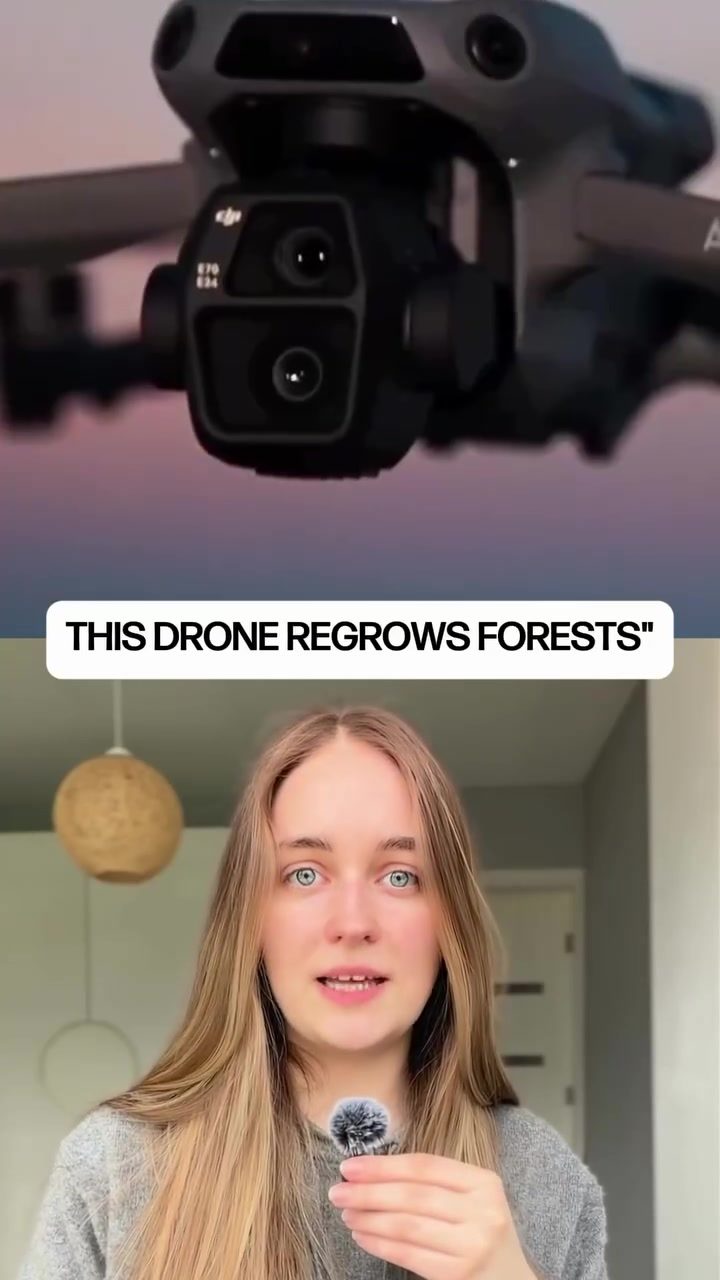
Drone Reforestation
Drone technology has revolutionized various industries, and one of its most impactful applications is in reforestation efforts. By leveraging drones, companies like Morpho are transforming landscapes by planting seeds and monitoring growth over time, ensuring biodiversity and carbon storage. In Brazil, where nearly 90% of the Atlantic Forest has been lost, this innovative approach offers a glimmer of hope for restoration.
Why This Matters
Deforestation remains a critical global issue, contributing significantly to climate change and biodiversity loss. Traditional reforestation methods, which often rely on manual planting, are time-consuming and labor-intensive. Drones equipped with advanced technology can drastically speed up this process, covering vast areas in a fraction of the time. This efficiency is crucial for large-scale restoration projects, such as reviving the Atlantic Forest, which has lost nearly 90% of its original cover.
Main Discussion
The Technology Behind Drone Reforestation
Drone reforestation involves several key steps, each leveraging advanced technology to maximize efficiency and effectiveness.
Terrain Scanning and Soil Analysis
The process begins with high-resolution drone scanning of the terrain. These drones capture detailed images of the landscape, enabling teams to analyze soil composition, moisture, and compaction. This initial data collection is crucial for understanding the micro-climates and soil conditions that will influence seed selection and planting strategies.
Seed Selection and Planting
Next, AI technology comes into play. The AI system matches the analyzed site with a catalog of over 300 native species, selecting seeds that are best suited to the specific soil conditions and micro-climates. This ensures that the plants will thrive and contribute to a diverse ecosystem. The drones then plant these seeds, each packed with nutrients to support strong initial growth.
Monitoring and Biodiversity
Once the seeds are planted, AI continues to monitor the area. Drone and satellite imagery provide real-time data on vegetation and biodiversity. This ongoing surveillance helps track the growth and health of the new forest, allowing for timely interventions if necessary. Every Morpho project aims to plant at least 20 different species, as diverse forests are known to store more carbon and promote healthier ecosystems.
The Atlantic Forest Restoration Effort
The Atlantic Forest, once sprawling along Brazil's eastern coast, has been significantly degraded over the years. Morpho's ambitious goal is to restore nearly 2.5 million acres by 2030. This restoration effort focuses on creating diverse, resilient forests that can store substantial amounts of carbon and support a wide range of plant and animal species. The project highlights the potential of drone and AI technology to transform landscapes on a large scale.
Practical Tips
For those interested in implementing drone reforestation or similar projects, several practical tips can help ensure success:
Invest in High-Quality Drones and Sensors
High-resolution cameras and sensors are essential for accurate terrain scanning and soil analysis. Investing in top-tier equipment, such as the DJI Air S drones, can make a significant difference in the quality and reliability of the data collected.
Develop a Comprehensive Soil Database
A detailed database of soil conditions and suitable plant species is critical. This database should include information on soil composition, moisture levels, and the types of plants that thrive in specific conditions. This ensures that the AI can make informed decisions about which seeds to plant.
Leverage AI for Monitoring
AI-powered monitoring systems can provide real-time insights into the health and growth of the reforested areas. Regular updates and interventions based on this data can help maintain the health and biodiversity of the new forests.
Collaborate with Local Experts
Working closely with local ecologists, botanists, and conservationists can provide invaluable insights. Their expertise can help ensure that the reforestation efforts align with the region's ecological needs and promote long-term sustainability.
Important Takeaways
Drone reforestation represents a groundbreaking approach to restoring degraded lands. By leveraging AI and high-resolution drone imagery, companies like Morpho are making significant strides in regenerating ecosystems and promoting biodiversity. The technology not only speeds up the reforestation process but also ensures that the planted areas are diverse and resilient, capable of storing substantial amounts of carbon.
Efficiency and Scale
Drones can replant over 120 acres in a single day, a task that would take 100 times longer by hand. This efficiency is crucial for restoring vast areas quickly, making drone technology an indispensable tool for large-scale reforestation projects.
Biodiversity and Carbon Storage
Promoting biodiversity is key to the success of any reforestation effort. Diverse forests store more carbon and are more resilient to environmental changes. Morpho's approach of planting at least 20 different species in each project ensures that the restored landscapes are both ecologically rich and robust.
Real-Time Monitoring
Ongoing monitoring through drone and satellite imagery allows for timely interventions and continuous improvement. This real-time data ensures that the reforested areas remain healthy and sustainable over the long term.
Conclusion
Drone reforestation offers a promising solution to the urgent challenge of deforestation. By integrating AI and advanced drone technology, companies like Morpho are paving the way for efficient, large-scale restoration efforts. The ability to scan terrain, analyze soil, and plant seeds with precision ensures that these efforts are both effective and sustainable. As we look ahead to 2030 and beyond, the potential for drone technology to transform landscapes and combat climate change becomes increasingly evident.
Watch the Reel
Questions readers ask
How do Morpho's AI-driven drones assist in reforestation efforts in Brazil?
Morpho's AI-driven drones aid in reforestation by planting seeds and monitoring the growth of saplings. Using AI, the drones ensure that they can efficiently cover large areas, which is crucial for combating deforestation and restoring biodiversity, especially in regions like the Atlantic Forest in Brazil.
What are the benefits of using drones for reforestation compared to traditional methods?
Drones offer several advantages over traditional reforestation methods. They can cover large areas more quickly and efficiently, reducing the time and labor required. Additionally, drones can access remote or difficult-to-reach locations, ensuring that seeds are planted in areas where manual planting would be challenging or impossible.
How does AI technology enhance the effectiveness of drone reforestation efforts?
AI technology enhances drone reforestation efforts by enabling precise seed planting and monitoring growth over time. AI algorithms help drones identify the best locations for planting, track the progress of saplings, and adjust strategies in real-time to optimize reforestation outcomes.
Why is the Atlantic Forest in Brazil a critical area for drone reforestation efforts?
The Atlantic Forest in Brazil is a critical area for drone reforestation efforts because it has experienced significant deforestation, with nearly 90% of its original coverage lost. Drones can help restore this vital ecosystem by planting seeds in large, hard-to-reach areas, promoting biodiversity and carbon storage, and reversing the effects of deforestation.
What role do drones play in monitoring the success of reforestation projects?
Drones play a crucial role in monitoring reforestation projects by providing continuous, real-time data on the growth and health of planted saplings. They can capture detailed images and videos, allowing scientists and conservationists to assess the progress of reforestation efforts, identify any issues, and make data-driven decisions to improve outcomes.
Can drones replant seeds in areas with difficult terrain?
Yes, drones are particularly effective in areas with difficult terrain. Equipped with advanced navigation systems, drones can access remote or rugged locations that are challenging or even impossible for humans to reach. This capability allows for the planting of seeds in areas that might otherwise be left untouched, contributing to more comprehensive reforestation efforts.
Related deep dives
Similar reads based on topic and creator.
Recent articles
Fresh deep dives from the latest Reels we unpacked.
Comments
Be the first to comment.