Data Centers: Public Perception and the Energy Debate
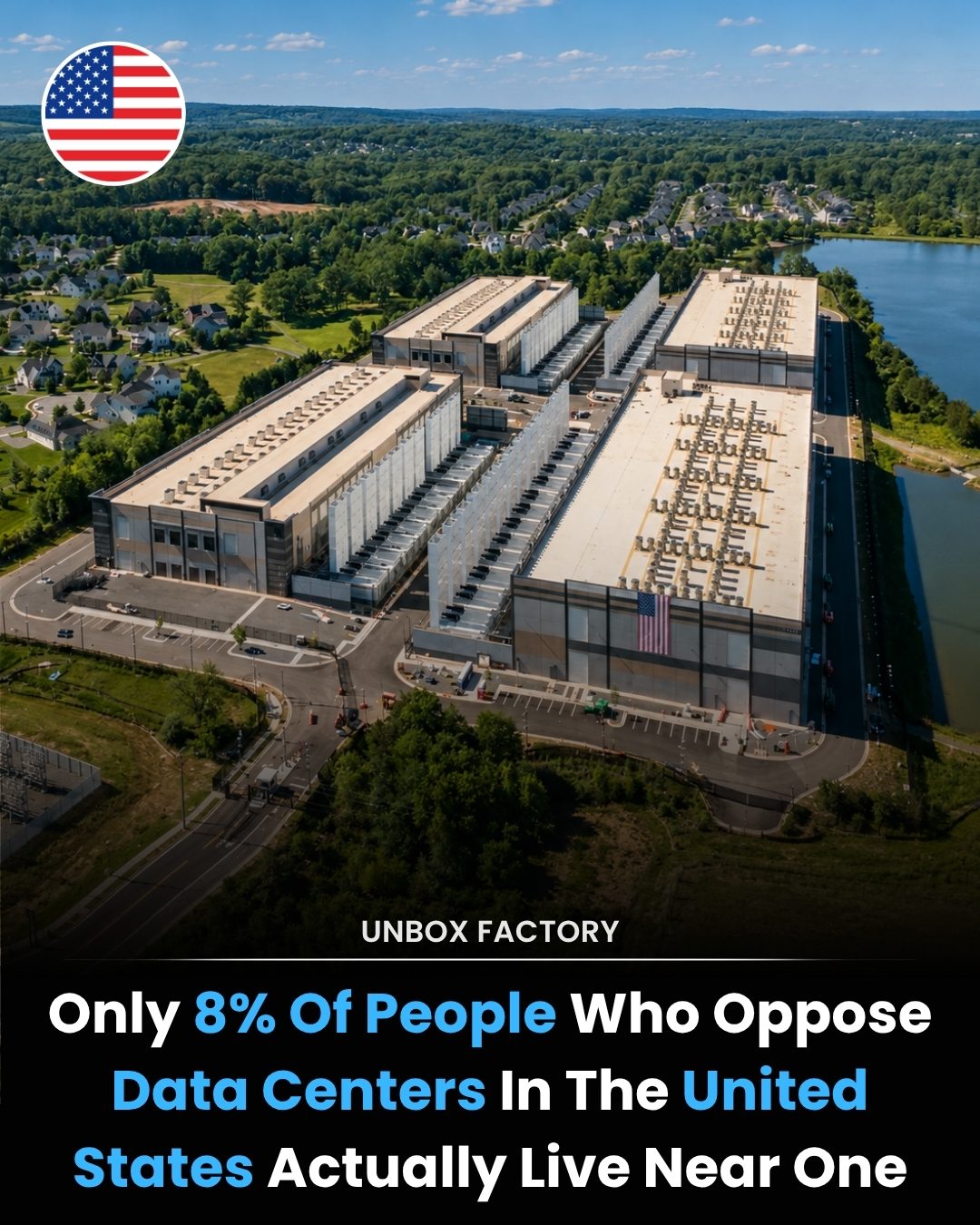
Data centers have become ubiquitous in the digital age, with over 5,000 facilities scattered across the United States. These centers are the backbone of our interconnected world, housing the servers and networks that power everything from cloud computing to artificial intelligence. Yet, despite their critical role, data centers face significant public scrutiny, particularly regarding their energy consumption. A recent U.S. survey revealed a surprising disparity between national public opinion and local sentiment, with only 8% of those opposing new data centers actually residing near one. This statistic, presented alongside a sunny aerial view of a sprawling data center complex, highlights a complex landscape of public perception and energy demands.
Context: The Growing Role of Data Centers
The rapid growth of data centers is driven by the increasing demand for digital services and the surge in AI-driven technologies. These facilities enable everything from streaming services and social media to complex machine learning algorithms, making them indispensable for modern society. In 2028, data centers are projected to consume up to 12% of the total electricity in the U.S., according to industry forecasts. This significant energy demand has sparked intense debate about the environmental impact and sustainability of these facilities.
A Surprising Gap in Public Opinion
The recent U.S. survey revealed an intriguing gap between national public opinion and the sentiments of people living near data centers. Nationally, there is a notable level of opposition to building new data centers, driven largely by concerns about energy consumption and environmental impact. However, this opposition is not as strong among people who live near these facilities. The data shows that only 8% of those who oppose new data centers actually reside close to an existing one.
Residents who live near data centers often have a more nuanced view, as they experience firsthand the benefits that these facilities can bring. Many communities near data centers have seen an influx of jobs, infrastructure investments, and increased tax revenue. These local economic benefits often outweigh the concerns about energy consumption, leading to a more favorable public opinion. This disparity highlights an essential aspect of public sentiment: direct experience and local benefits can significantly influence how people perceive and support these large-scale infrastructure projects.
Benefits of Living Near Data Centers
The local economic benefits of having a data center nearby are tangible and can transform communities. Data centers often create high-paying jobs, attract infrastructure investments, and contribute to local tax revenue. These factors can make a substantial difference in the quality of life for residents in nearby communities. For instance, the construction and maintenance of data centers require a variety of skilled labor, from IT professionals to engineers and technicians. This influx of jobs can boost local economies and provide opportunities for residents.
Additionally, data centers often bring infrastructure improvements, such as better roads, utilities, and other community amenities. These investments can enhance the overall quality of life for residents, further improving their perception of the data centers. The increased tax revenue generated by these facilities can also support local education, healthcare, and public services, benefiting the community in multiple ways.
Energy Consumption and Sustainability Concerns
Despite the economic advantages, the energy consumption of data centers remains a contentious issue. These facilities require significant amounts of electricity to power their servers and cooling systems, contributing to the overall energy demand. The projection that data centers will consume 12% of total U.S. electricity by 2028 underscores the urgency of addressing this concern.
However, the industry is actively seeking solutions to mitigate the environmental impact. Many data centers are adopting renewable energy sources, such as solar and wind power, to reduce their carbon footprint. Additionally, advancements in energy-efficient technologies and cooling systems are helping to lower the overall energy consumption of these facilities. These efforts are crucial in balancing the benefits of data centers with the need for sustainable energy practices.
The Influence of AI and Emerging Technologies
Artificial Intelligence (AI) is one of the primary drivers of the increasing electricity demand in data centers. AI algorithms require significant computing power and data processing, which in turn necessitates large-scale data centers. As AI continues to evolve and become more integrated into various aspects of daily life, the demand for data centers is expected to grow even further. This growth poses both challenges and opportunities for the industry.
The challenges include the need for sustainable energy solutions and efficient resource management. However, the opportunities lie in the potential for innovation and technological advancements. As data centers become more efficient and environmentally friendly, they can continue to support the growth of AI and other emerging technologies without compromising sustainability.
Practical Tips for Engaging with the Community
For data center operators and policymakers, engaging with the community is essential to address public concerns and promote a more positive perception of these facilities. Here are some practical tips for fostering better community engagement:
Transparency and Communication
Transparency about the benefits and environmental impact of data centers can help build trust with the community. Regular updates on energy consumption, sustainability initiatives, and economic contributions can keep residents informed and engaged. Clear communication about the role of data centers in supporting modern technologies can also help dispel myths and misconceptions.
Public Outreach and Educational Programs
Organizing public outreach programs and educational workshops can demystify the operations and benefits of data centers. These initiatives can provide residents with a deeper understanding of the technology and its role in their daily lives. Hosting open houses, tours, and community events can also create a more personal connection between the facility and the local residents, fostering a sense of community ownership and support.
Collaboration with Local Authorities
Collaborating with local authorities and community leaders can help address concerns and ensure that data centers contribute positively to the community. Partnering on infrastructure projects, job training programs, and public services can create mutual benefits and strengthen the relationship between the facility and the community.
Important Takeaways
The growing role of data centers in our digital age is undeniable, and they will continue to be a critical component of our infrastructure. The recent survey findings highlight the importance of addressing public perception and concerns about energy consumption. By fostering better community engagement, adopting sustainable practices, and communicating the benefits of data centers, the industry can create a more balanced and supportive environment.
Understanding the local economic benefits and the significance of public engagement can help shape a more positive narrative around data centers. As we navigate the challenges and opportunities presented by these facilities, it is essential to recognize their role in supporting modern technologies and the economy.
Conclusion
Data centers are the backbone of our digital world, and their importance will only grow as we continue to rely on technology for everyday tasks. The gap in public opinion between national sentiment and local experience underscores the need for better communication, community engagement, and sustainable practices. By addressing these issues, we can ensure that data centers continue to support technological advancements while minimizing their environmental impact and fostering positive community relationships.
Watch the Reel
Questions readers ask
Why do people living near data centers tend to have a more favorable view of them?
Local residents often see the benefits of data centers firsthand, such as job opportunities, infrastructure improvements, and potential local investments. These direct benefits can outweigh national concerns over energy use, leading to a more positive local perception.
What are some of the benefits that data centers bring to local communities?
Data centers can bring significant economic benefits to local communities. These include job creation, increased tax revenue, and improvements in local infrastructure. Additionally, data centers often invest in community initiatives and partnerships to enhance their local presence.
Why are data centers often criticized despite their local support?
Data centers are often criticized due to their high energy consumption and environmental impact. Concerns about carbon emissions and the strain on local power grids contribute to national opposition. However, many data centers are also investing in renewable energy sources to mitigate these issues, which can influence local sentiment.
How do data centers contribute to the local economy?
Data centers can significantly boost the local economy by creating high-skilled jobs in IT, engineering, and data management. They also attract related businesses, such as restaurants and hotels, which can spur additional local economic growth. Furthermore, data centers often pay substantial property taxes and fees, contributing to local government revenue.
What initiatives can data centers undertake to improve their public image?
Data centers can improve their public image by investing in renewable energy sources, such as solar or wind power, to reduce their carbon footprint. Additionally, collaborating with local communities on initiatives like environmental conservation, local events, or educational outreach can foster goodwill and demonstrate their commitment to the community's well-being.
Why is there a disparity between national and local perceptions of data centers?
The disparity arises because local residents often have direct, tangible benefits from the presence of data centers, while the national public may only consider the broader concerns about energy use and environmental impact. Locals might benefit from local investments, job opportunities, and infrastructure improvements, which can overshadow national concerns.
Related deep dives
Similar reads based on topic and creator.




Recent articles
Fresh deep dives from the latest Reels we unpacked.




Comments
Be the first to comment.