Data Center Bans: The Case of Monterey Park, California
The residents of Monterey Park, California, made a historic decision in June 2026. With an overwhelming 86% approval, they voted to permanently ban data centers in their city. This ban is unprecedented, marking the first time a city in the United States has implemented such a ban through a public vote. The story of Monterey Park not only highlights the concerns of local communities but also sets a precedent for other cities grappling with similar issues.
Why This Matters
Data centers are essential for the operation of modern technology. They house the servers and infrastructure that support everything from cloud computing to artificial intelligence. However, the construction and operation of these facilities come with significant environmental and community impacts. The Monterey Park case underscores the growing tension between technological progress and quality of life.
The Battle Over Data Center Construction
Proposed Data Center and Community Opposition
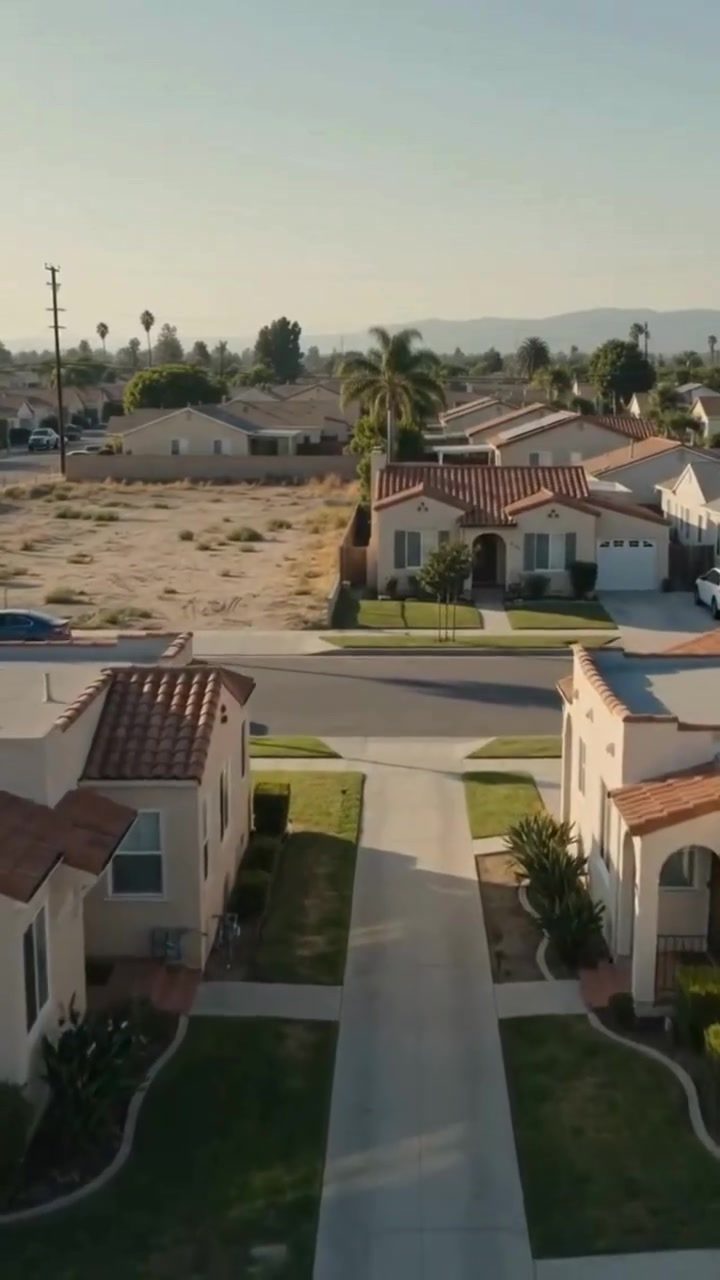
A massive data center, planned to span 247,000 square feet, was proposed to be built in Monterey Park. The location of the proposed site was unusually close to residential areas, with the nearest home just 500 feet away. This proximity raised concerns among residents about potential health and environmental impacts.
The proposed data center would have consumed triple the electricity used by the entire city of 60,000 people. Local residents feared the strain on the city's resources and the potential environmental impact of increased energy consumption. These concerns fueled a grassroots movement to stop the project.
The Vote and Its Implications
The city responded to the mounting opposition by putting the issue to a public vote. Measure NDC was overwhelmingly supported by 86% of voters. This decisive outcome sent a clear message: the community prioritizes quality of life over the construction of a large-scale data center. The vote effectively banned future data centers in the city, making it the first such ban enacted by voters in the United States.
Practical Tips for Community Activism
Understanding the Impact
For communities facing similar challenges, understanding the potential impact of a data center is crucial. This includes evaluating the environmental footprint, health risks, and strain on local resources. Residents can gather data on energy consumption, pollution levels, and other relevant factors to build a strong case against the project.
Engaging with Local Authorities
Communities can pressure local authorities to act. Engaging with city councils, attending public meetings, and submitting formal objections can help amplify the community's voice. Example: in Monterey Park, residents organized protests and public meetings to raise awareness about the potential dangers.
Legal and Political Tools
Once a community is aware of the potential impacts, they can leverage legal and political tools to block the project. This might involve initiating a ballot measure or pushing for stricter zoning laws. Community organizers can draw inspiration from the success of Monterey Park's Measure NDC, which demonstrated the power of direct voter action.
Important Takeaways
Community Power
The success of Monterey Park's ban highlights the power of community activism. Local residents, when united, can influence policy and environmental decisions. The city's story is a testament to the effectiveness of grassroots movements.
Resource Management
The environmental concerns surrounding data centers are not trivial. The immense energy consumption of these facilities can stress local resources. Future data center projects should prioritize sustainable energy solutions if they are to coexist with residential areas.
The Inspiration for Neighboring Communities
A Roadmap for Others
The decision in Monterey Park has already inspired neighboring communities. Organizers in areas facing their own data center proposals are referencing Monterey Park as a roadmap. The city's experience shows that banning data centers through a public vote is a viable option, and it sets a precedent for other cities.
Conclusion
Monterey Park's ban on data centers is a landmark decision that reflects the community's values and priorities. The overwhelming support for Measure NDC illustrates the power of community activism and the importance of considering local concerns in the face of large-scale developments. As technology advances, it is crucial to balance progress with the well-being of residents. The story of Monterey Park serves as a guiding example for other communities facing similar challenges.
Watch the Reel
Questions readers ask
What led Monterey Park to ban data centers?
Monterey Park's decision to ban data centers was driven by local environmental and community concerns. Residents were particularly worried about the potential negative impacts on their quality of life, such as increased energy consumption, noise, and traffic.
How did Monterey Park's data center ban come to be?
The ban was implemented through a public vote in June 2026. The overwhelming approval of 86% by residents made it the first city in the U.S. to enact such a ban through a direct vote.
What are the primary concerns of communities opposing data centers?
Communities opposing data centers often express concerns about environmental impacts, such as increased energy use and potential water consumption. Additionally, they worry about the effects on local infrastructure, including traffic congestion and noise pollution, which can reduce overall quality of life.
What are the implications of Monterey Park's ban for other cities?
Monterey Park's decision sets a historic precedent and could inspire other cities to consider similar actions. It signals a growing awareness of the need to balance technological infrastructure with community well-being and environmental sustainability.
Do data centers have a significant environmental impact?
Yes, data centers consume large amounts of energy and water, contributing to carbon emissions and straining local resources. They also generate heat, which can require additional cooling methods, further increasing their energy footprint.
What does the ban mean for technological infrastructure in Monterey Park?
The ban means that Monterey Park will not be host to any new data centers, which are crucial for supporting modern technology services. This could potentially impact the availability and performance of cloud services and other digital infrastructure in the area.
What could be potential solutions for cities facing similar data center concerns?
Cities might explore alternative sites for data centers where environmental impact can be mitigated, or promote renewable energy use in data centers. They might also consider stricter regulations or incentives to encourage more environmentally friendly operations.
Related deep dives
Similar reads based on topic and creator.




Recent articles
Fresh deep dives from the latest Reels we unpacked.




Comments
Be the first to comment.