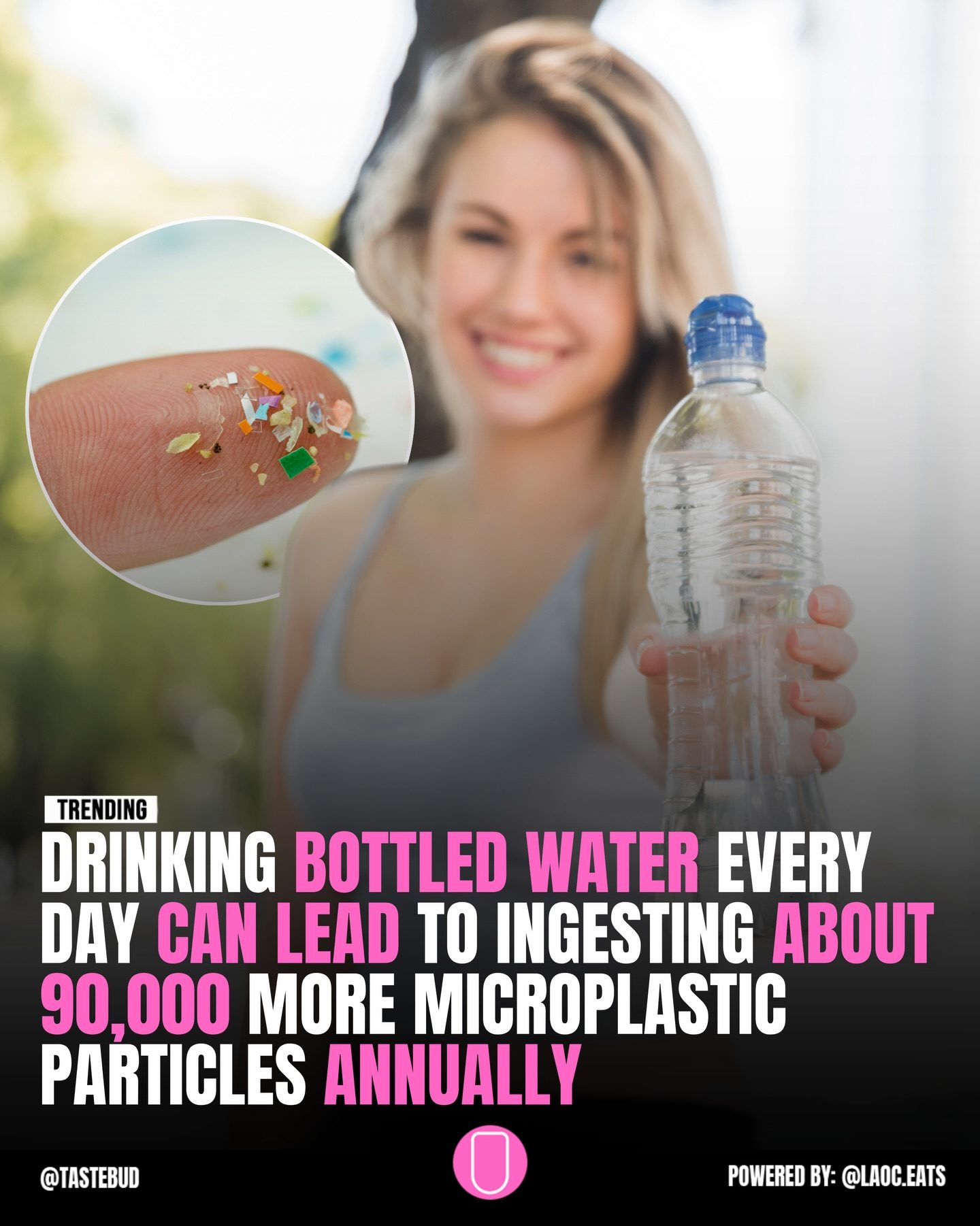
Microplastics in Bottled Water
Bottled water is a staple in many households and workplaces. It seems convenient, portable, and safe. However, emerging research indicates that daily consumption of bottled water might expose you to significant amounts of microplastics. These tiny plastic particles are now ubiquitous in our environment, found in water, food, and even the air. While the long-term health effects are still under investigation, scientists are increasingly concerned about the potential interactions of these particles with the human body.
Why This Matters
Microplastics are tiny fragments of plastic, typically less than 5 millimeters in size. They originate from various sources, including the breakdown of larger plastic items, microbeads in personal care products, and fibers from synthetic clothing. Their presence in bottled water is a growing concern due to the widespread consumption of bottled water. Understanding the implications of ingesting these particles is crucial for making informed choices about our daily water consumption.
The Ubiquity of Microplastics
Sources of Microplastics
Microplastics come from a variety of sources. Industrial processes, packaging materials, and even the degradation of larger plastic items contribute to their prevalence. They can be ingested directly from food and water or inhaled from the air. This makes them nearly impossible to avoid in daily life.
Prevalence in Bottled Water
Recent studies have shown that bottled water can contain a significant number of microplastic particles. This is partly due to the manufacturing and packaging processes, where plastics are used extensively. For instance, the on-screen text highlights that drinking bottled water every day can lead to ingesting about 90,000 more microplastic particles annually. This stark figure underscores the potential exposure risk for regular consumers of bottled water.
Health and Environmental Concerns
Long-Term Health Effects
The long-term health effects of microplastic ingestion are still being studied, but early findings are concerning. Microplastics can potentially carry harmful chemicals like bisphenol A (BPA) and phthalates, which are known to disrupt hormones and have adverse effects on health. While the exact impact on humans remains unclear, animal studies suggest that microplastics can cause inflammation, oxidative stress, and even alter gene expression.
Environmental Impact
The environmental impact of bottled water consumption extends beyond microplastics. The production, transportation, and disposal of plastic bottles contribute to greenhouse gas emissions and plastic pollution. According to the U.S. Department of the Interior, plastic pollution is prevalent in all major bodies of water. This not only affects marine life but also poses a risk to human health through the contamination of water sources.
Practical Tips for Reducing Microplastic Intake
Choose Tap Water
One of the simplest ways to reduce microplastic intake is to switch to tap water. Tap water is subjected to rigorous testing and treatment processes, making it a safer option. Additionally, many cities have excellent water quality. Investing in a good-quality water filter can further ensure the purity of tap water.
Use Reusable Water Bottles
Opting for reusable water bottles is an effective way to reduce both microplastic intake and environmental impact. Stainless steel or glass bottles are durable and do not leach chemicals. They also help minimize the use of single-use plastics, contributing to a reduction in overall plastic waste.
Wash Synthetic Clothing Properly
Microfibers from synthetic clothing are a significant source of microplastics. Washing synthetic fabrics in cold water and using a washing bag designed to catch microfibers can help reduce the number of microplastics that enter the water system. Additionally, avoiding the use of dryer sheets and fabric softeners can further minimize the release of microfibers.
Important Takeaways
- Bottled water can contain microplastic particles, increasing daily exposure.
- Microplastics are found in various environmental sources, including water, food, and air.
- Long-term health effects of microplastic ingestion are still under study but raise concerns.
- Choosing tap water, using reusable bottles, and proper washing of synthetic clothing can help reduce microplastic intake.
Conclusion
The presence of microplastics in bottled water is a pressing concern that highlights the broader issue of plastic pollution. While the long-term health effects are still being studied, taking proactive steps to reduce exposure can have immediate benefits. Switching to tap water, using reusable bottles, and being mindful of microplastic sources in daily life can help mitigate the impact of these pervasive particles. By making informed choices, we can contribute to a healthier environment and minimize our exposure to microplastics.
Watch the Reel
Questions readers ask
How many microplastics can be found in a typical bottle of water?
Studies have found that a single bottle of water can contain hundreds, and in some cases, thousands of microplastic particles. This number can vary greatly depending on the brand and the source of the water.
What are the potential health risks associated with consuming microplastics in bottled water?
While research is ongoing, some studies suggest that microplastics may cause inflammation, alter gut microbiota, and potentially absorb and transport harmful chemicals into the body. Long-term effects are still not fully understood, but there is growing concern among scientists.
Is tap water a safer alternative to bottled water in terms of microplastic contamination?
Tap water can also contain microplastics, but in generally lower amounts than bottled water. Filtering tap water with a high-quality filter can further reduce microplastic intake. However, it's important to note that the safety of tap water can vary greatly depending on your location.
How can I reduce my intake of microplastics from water?
To reduce microplastic intake, consider using a reusable water bottle with a built-in filter. Additionally, opting for tap water over bottled water when possible, and choosing brands known for rigorous testing and low microplastic content can help minimize exposure.
What are the main sources of microplastics in bottled water?
Microplastics in bottled water primarily come from the breakdown of plastic bottles and caps, as well as contamination during the bottling process. Additionally, microplastics can enter the water source before it is bottled, such as from environmental pollution.
Can microplastics in bottled water be seen with the naked eye?
No, microplastics are typically too small to be seen with the naked eye. They are usually less than 5 millimeters in size, making them invisible to the human eye. Microplastic particles can only be identified and measured using specialized equipment and techniques.
What measures are being taken to address microplastic contamination in bottled water?
Some bottled water companies are implementing stricter quality controls and testing to reduce microplastic contamination. Additionally, there are ongoing studies and advocacy efforts to increase awareness and encourage regulation. Consumers can also play a role by choosing brands that prioritize reducing microplastic intake.
Related deep dives
Similar reads based on topic and creator.



Recent articles
Fresh deep dives from the latest Reels we unpacked.




Comments
Be the first to comment.