Bottled Water and Microplastics: What You Need to Know
Every day, millions of people rely on bottled water for hydration. While convenient, this habit may come with unintended consequences. Recent findings highlight a significant issue: the potential ingestion of microplastics. Understanding this concern is crucial for making informed decisions about your water consumption.
Context: Why This Matters
While tap water is often treated and regulated for safety, bottled water can contain microscopic plastic fragments. This isn't a matter of water quality alone. Instead, it's about the potential health implications of consuming these tiny plastic particles that can leach from the bottles themselves, and exposure levels that depend on factors such as storage conditions, and individual consumption habits. It's important to be informed about these factors so you can make healthier choices.
The Problem with Bottled Water
Microplastics in Bottled Water
One of the primary concerns is the presence of microplastics in bottled water. Microplastics are tiny plastic particles, often invisible to the naked eye, that can originate from various sources, including the bottle itself. Studies have shown that a single liter of bottled water can contain approximately 240,000 microplastic fragments. In contrast, treated tap water averages around 5.5 particles per liter. This disparity means that bottled water drinkers could be exposed to roughly 50 times more microplastics than those who rely on tap water.
Studies from Columbia and Rutgers universities reveal that about 90% of these microplastics are nanoplastics. These are tiny enough to potentially cross cell membranes, raising concerns about their interaction with our bodies over time. Nanoplastics are particularly worrying because their small size allows them to penetrate biological barriers more easily.
How Microplastics Enter Bottled Water
Microplastics can enter bottled water through several mechanisms. Plastics can leach from the bottle material itself, particularly when exposed to heat or sunlight. Opening caps, squeezing bottles, and the bottling process can all introduce particles into the water. These factors contribute to the overall microplastic content in bottled water.
The Health Implications
Current Research and Findings
The U.S. Food and Drug Administration (FDA) currently states that there is no established evidence that microplastic levels in water pose direct health risks. However, research is ongoing, and scientists are actively investigating how these particles interact with our bodies over time.
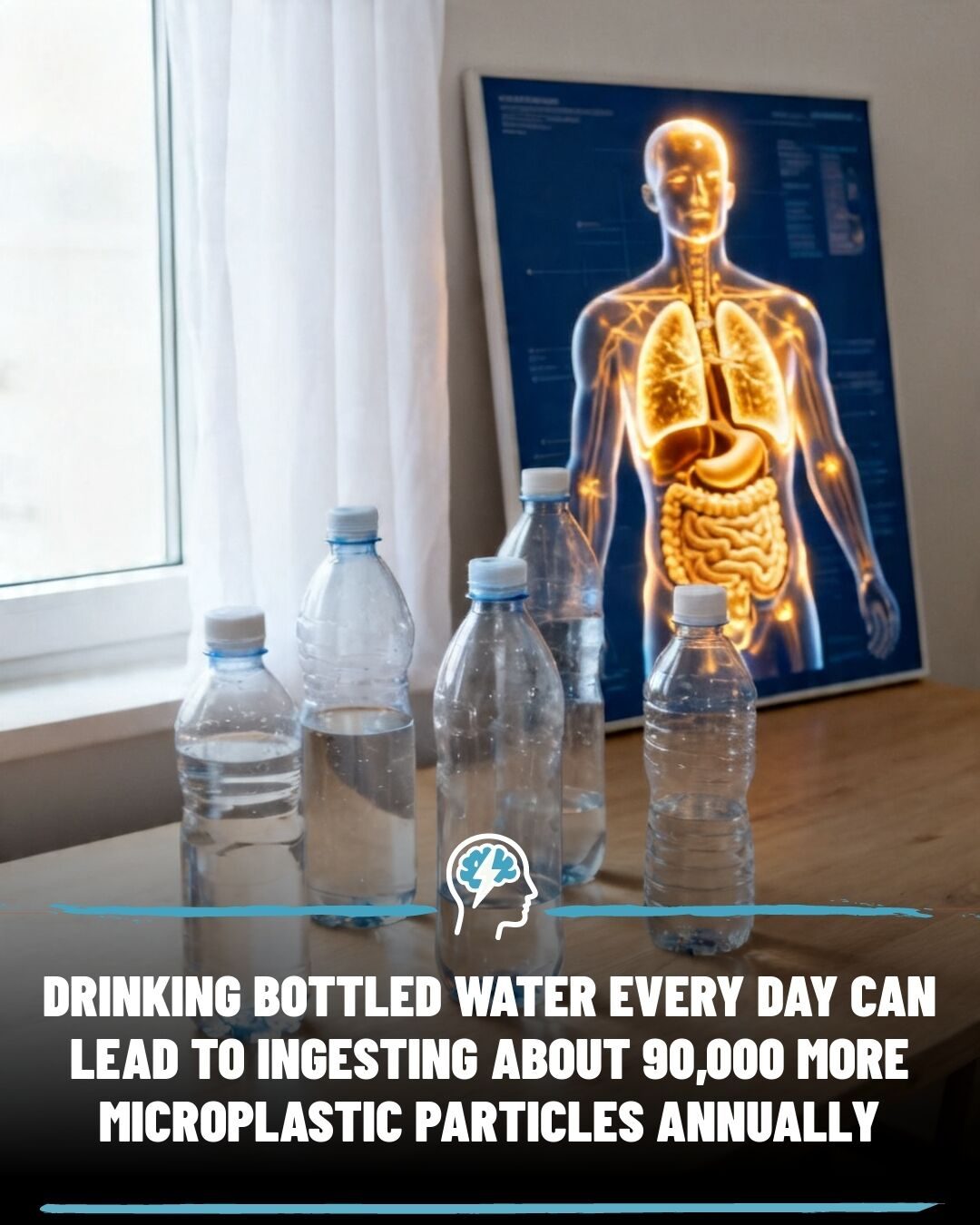
One key study found that people who rely exclusively on bottled water may ingest around 90,000 microplastic particles annually, compared to tap water drinkers. This significant difference underscores the importance of understanding your water source and its potential impact on your health.
Ongoing Investigations
Scientists are actively investigating the potential long-term health effects of microplastic ingestion. While the research is still developing, preliminary findings suggest that these particles may interact with our bodies in ways that could impact our health. The long-term effects are not yet fully understood, but the potential risks are enough to warrant caution.
Practical Tips for Reducing Microplastic Intake
Switch to Filtered Tap Water
One of the most effective ways to reduce your microplastic intake is by switching to filtered tap water. Many filtration systems are designed to remove contaminants, including microplastics, and can provide a safer and more sustainable water source. Using a high-quality water filter at home can significantly lower your exposure to these particles.
Use a Reusable Bottle
Investing in a quality reusable bottle can also help reduce your microplastic intake. Choose bottles made from materials like stainless steel or glass, which are less likely to leach microplastics into your water. These materials are also more environmentally friendly, reducing plastic waste and contributing to a greener lifestyle.
Be Mindful of Storage Conditions
Store your bottled water properly to minimize microplastic leaching. Avoid exposing plastic bottles to heat or direct sunlight, as these conditions can accelerate the release of microplastics. Additionally, try to keep your bottles away from harsh chemicals or other contaminants that could potentially leach into the water.
Important Takeaways
- Microplastics in Bottled Water: A single liter of bottled water can contain hundreds of thousands of microplastic fragments.
- Health Implications: The long-term health effects of ingesting microplastics are still being investigated, but the potential risks are concerning.
- Alternatives: Switching to filtered tap water and using a reusable bottle can significantly reduce your microplastic intake.
- Storage and Handling: Proper storage and handling of bottled water can help minimize microplastic leaching.
Conclusion
While bottled water offers convenience, it also comes with potential health concerns related to microplastic contamination. By understanding the sources of microplastics and their potential health implications, you can make more informed choices about your water consumption. Switching to filtered tap water, using a reusable bottle, and being mindful of storage conditions are practical steps that can help reduce your microplastic intake and promote a healthier lifestyle.
Watch the Reel
Questions readers ask
What are microplastics and how do they end up in bottled water?
Microplastics are tiny plastic particles, often measuring less than five millimeters, that can originate from various sources, including the breakdown of larger plastic items. In bottled water, they can leach from the bottle itself, especially when exposed to heat or sunlight, or be present due to contamination during the bottling process.
How does daily bottled water consumption increase microplastic intake?
Daily consumption of bottled water can increase microplastic intake because these tiny particles can be present in much higher quantities than in tap water. The longer water is stored in plastic bottles, the more likely it is to absorb microplastics, leading to elevated levels of exposure over time.
What are the potential health risks associated with consuming microplastics in bottled water?
The health risks of consuming microplastics in bottled water are still a subject of ongoing research. Some studies suggest potential links to issues like inflammation, hormonal disruption, and even cancer, but more data is needed to fully understand these effects. The extent of these risks can depend on the amount of microplastics ingested and the individual's overall health.
Why might tap water be a better choice than bottled water when it comes to microplastic contamination?
Tap water is often subject to stringent regulations and treatment processes that can help reduce microplastic contamination. Additionally, it is generally stored in containers that are less likely to leach microplastics compared to single-use plastic bottles. This makes tap water a potentially safer choice in terms of microplastic exposure.
Are there any studies that compare microplastic levels in bottled water and tap water?
Yes, several studies have compared microplastic levels in bottled water and tap water. Many of these studies have found that bottled water often contains significantly higher levels of microplastics. These findings underscore the importance of considering the source of your drinking water, especially if you're concerned about microplastic contamination.
Can I reduce my exposure to microplastics by choosing certain types of bottled water?
While no type of bottled water is guaranteed to be free of microplastics, you can reduce your exposure by opting for glass bottles or stainless-steel containers. For plastic bottles, choose those made from materials less likely to leach microplastics, such as PET, and avoid storing them in hot or sunny places, which can accelerate the release of microplastics.
What should I do if I am concerned about the microplastics in my bottled water?
If you're concerned about microplastics in bottled water, consider switching to tap water or using a high-quality water filter. Additionally, opt for reusable containers that are less likely to leach microplastics, and be mindful of storage conditions if you must use bottled water. Consulting with a healthcare provider can also provide personalized advice based on your specific health needs.
Related deep dives
Similar reads based on topic and creator.




Recent articles
Fresh deep dives from the latest Reels we unpacked.




Comments
Be the first to comment.