Microplastics in Drinking Water: A New Filtration Solution
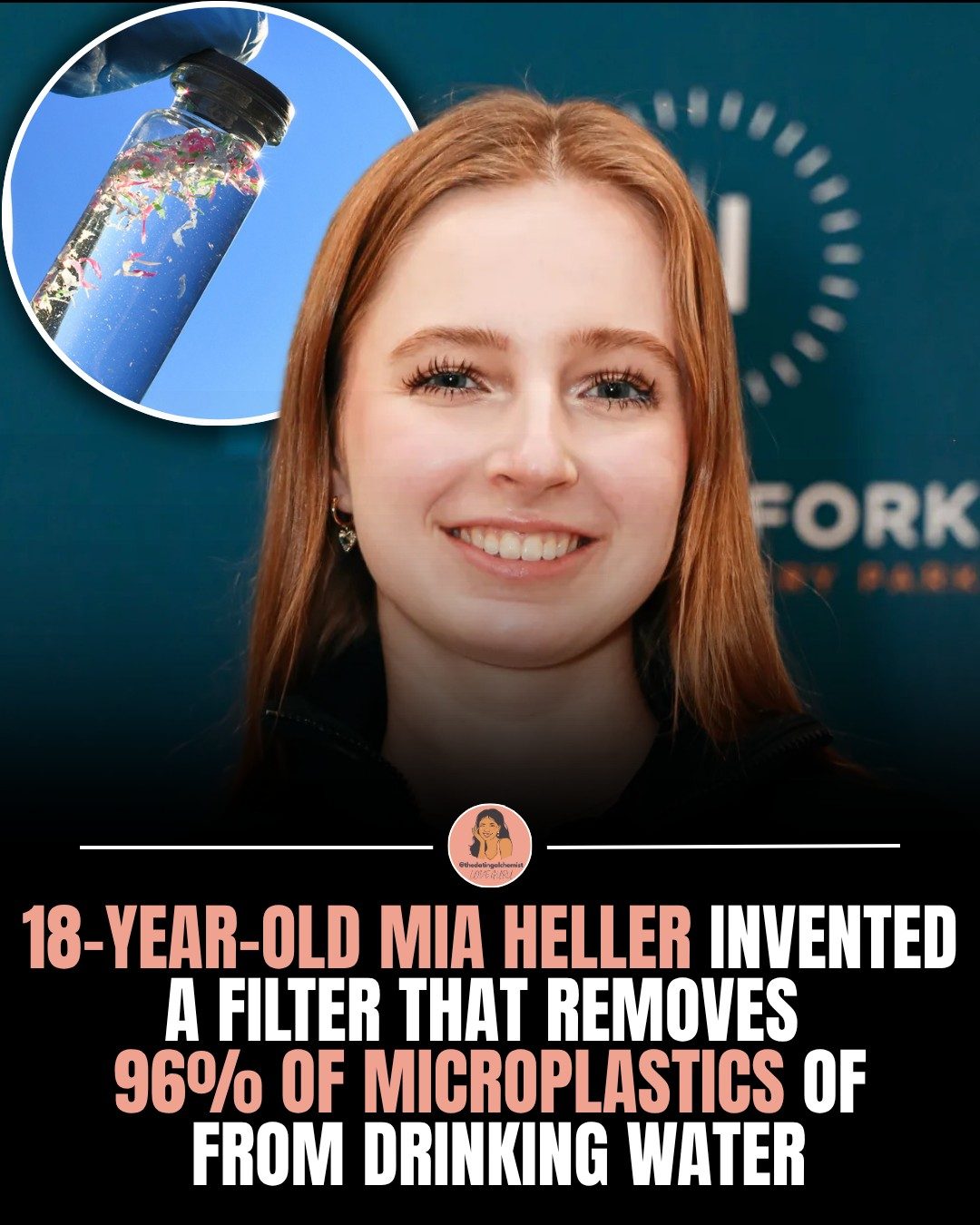
Microplastics have become an increasingly concerning issue in drinking water. These tiny plastic particles, often less than five millimeters in size, can originate from various sources, including washing of synthetic fabrics, cosmetics, and degradation of larger plastic items. A student from Warrenton, Virginia, Mia Heller, has developed an innovative filtration system that shows promise in removing nearly all microplastics from drinking water.
Why This Matters
Water contamination by microplastics is a growing ecological and health concern. While the long-term health effects of ingesting microplastics are still being studied, many researchers are concerned about their potential impacts. Microplastics can contain harmful chemicals and heavy metals, which, when ingested, could pose significant health risks. Moreover, plastic particles can absorb and concentrate pollutants from the surrounding water, exacerbating the issue. The widespread presence of microplastics in water sources underscores the need for effective filtration solutions like the one developed by Mia Heller.
Main Discussion
The Inspiration Behind the Invention
Mia Heller's journey to developing a microplastics filter began in her own community. After learning about PFAS and microplastic contamination in her local water supply, she realized the urgency of addressing this problem. Her family's experience with an expensive and high-maintenance filtration system further inspired her to create a more cost-effective and sustainable solution. These personal experiences fueled her determination to innovate for community and household use.
The Design and Mechanism
Mia's filtration system stands out because it doesn't rely on traditional filter membranes. Instead, it uses a magnetic liquid called ferrofluid. This ferrofluid is designed to bind to microplastic particles, which can then be removed from the water. By applying a magnetic field, the ferrofluid captures the microplastics and separates them from the water. This innovative approach not only reduces the cost and maintenance needs of the system but also minimizes waste.
Key Advantages
-
Cost-Effective: Traditional filtration systems often involve expensive membrane replacements, which can be a significant financial burden. Mia's design, by eliminating the need for membranes, helps in reducing long-term costs.
-
Low-Waste: The ferrofluid-based system produces less waste compared to traditional filters. This makes it a more environmentally friendly option.
-
Accessibility: The design is intended to be accessible to households, making it a practical solution for everyday use.
-
Efficiency: The prototype has shown the ability to remove 96% of microplastics from drinking water, making it highly effective in addressing the contamination issue.
Practical Tips
If you're considering implementing a similar filtration system, keep these tips in mind:
-
Research Thoroughly: Before adopting any new filtration technology, research its effectiveness and reliability. Look for systems that have been tested and proven to remove a significant percentage of microplastics.
-
Check Local Water Reports: Understand the specific contaminants present in your local water supply. This will help you choose the most appropriate filtration system for your needs.
-
Consider Maintenance: Opt for systems that are low on maintenance. Regular cleaning and replacement of components can add to the overall cost and effort. Mia's design, for example, is designed with lower maintenance in mind.
-
Environmental Impact: Choose solutions that are environmentally friendly. Look for systems that minimize waste and have a lower carbon footprint.
Important Takeaways
-
Microplastics are a significant concern in drinking water. Effective filtration systems are crucial to address this issue.
-
Traditional filters have limitations, including high costs and frequent maintenance. Innovative solutions like Mia's ferrofluid-based system offer a more sustainable and cost-effective alternative.
-
Innovation often comes from addressing personal or community challenges. Mia Heller's story underscores the importance of grassroots innovation in solving ecological problems.
-
Accessibility and efficiency are key factors in choosing a filtration system. A good system should be both effective and practical to use in everyday settings.
Conclusion
Microplastics in drinking water are a pressing problem that demands innovative solutions. Mia Heller's development of a filtration system that removes 96% of microplastics is a significant step forward. This innovation not only addresses the immediate issue of contamination but also sets a precedent for future developments in sustainable and cost-effective filtration technologies. By taking care of the water we drink, we can make a positive impact on our health and the environment.
Watch the Reel
Questions readers ask
How does Mia Heller's water filter work to remove microplastics?
Mia Heller's invention uses a magnetic liquid that binds to microplastics. This binding process allows the filter to efficiently remove up to 96% of these tiny plastic particles, ensuring cleaner and safer drinking water.
What makes Mia Heller's microplastic water filter innovative?
Mia's filter stands out due to its use of magnetic liquid technology, which is both effective and efficient in removing high percentages of microplastics. This innovative approach addresses a significant environmental and health issue in a unique way, offering a promising solution for safe drinking water.
Why are microplastics in drinking water a concern?
Microplastics in drinking water are a concern due to their potential health and environmental impacts. These tiny particles can contain harmful chemicals, and while the long-term effects on human health are still under study, their presence in water raises significant worries about water quality and safety.
Where did Mia Heller develop her innovative water filter?
Mia Heller developed her groundbreaking water filter in Warrenton, Virginia. This innovation is a testament to the potential for local solutions to address global environmental and health issues, providing a model for how young inventors can make a significant impact.
Can other filtration systems remove microplastics as effectively as Mia Heller's invention?
While some filtration systems can remove microplastics to varying degrees, Mia Heller's invention is notable for its high efficiency, removing up to 96% of microplastics. Traditional systems may not achieve the same level of effectiveness, making Mia's magnetic liquid filter a particularly promising solution for clean drinking water.
How can magnetic liquid technology help improve healthy drinking water?
Magnetic liquid technology, as used in Mia Heller's invention, binds to and removes microplastics from water. By effectively filtering out these particles, the technology helps ensure that drinking water is safer and healthier, addressing a growing environmental and health concern.
What are the sources of microplastics in drinking water?
Microplastics in drinking water come from various sources, including the washing of synthetic fabrics, the use of certain cosmetics, and the degradation of larger plastic items. These tiny particles, often less than five millimeters in size, can enter the water supply through multiple pathways.
Related deep dives
Similar reads based on topic and creator.

Recent articles
Fresh deep dives from the latest Reels we unpacked.




Comments
Be the first to comment.