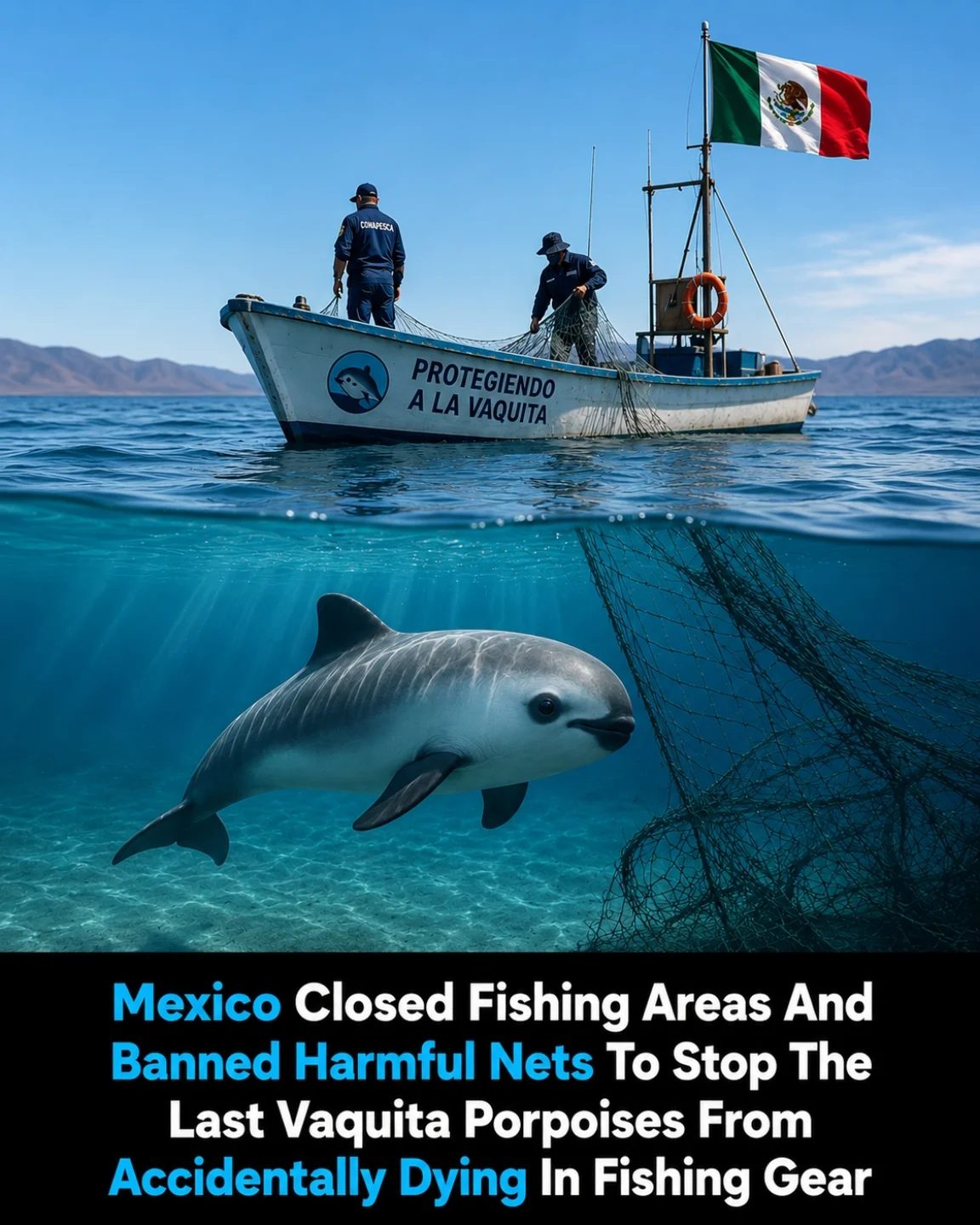
Vaquita Porpoise Conservation: Protecting the World's Most Endangered Marine Mammal
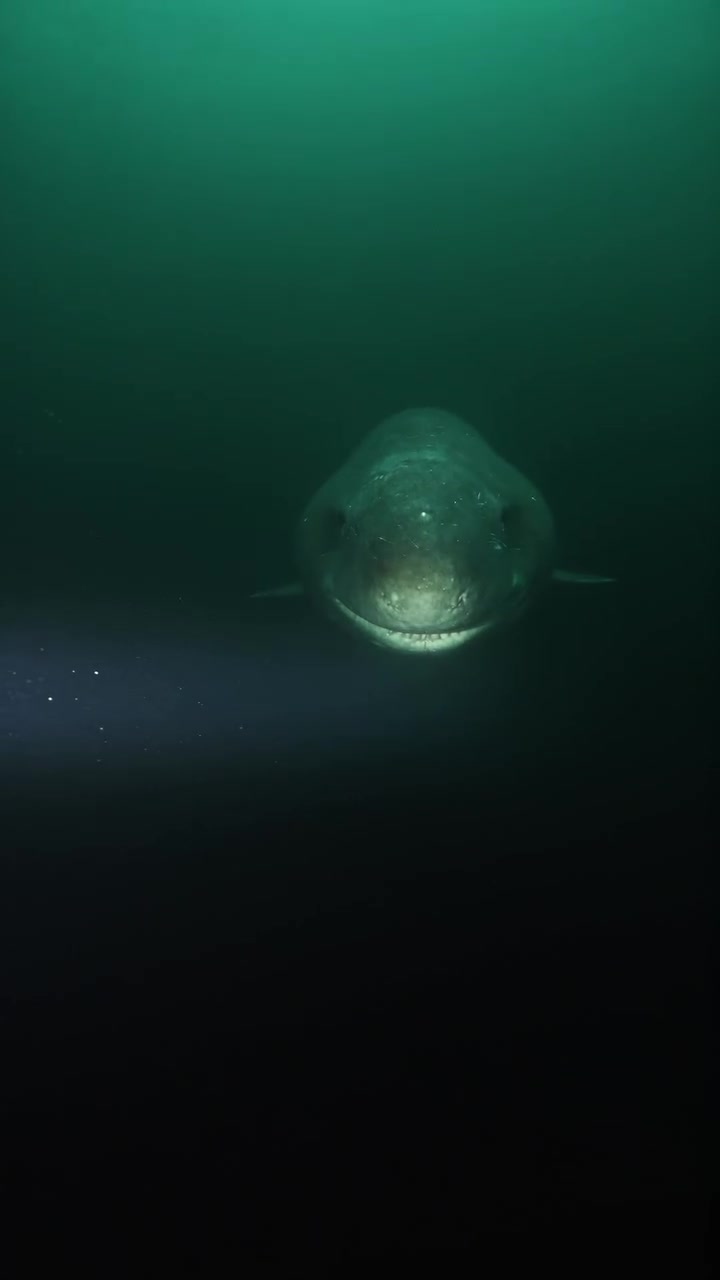
The Vaquita porpoise is the world's most endangered marine mammal, with fewer than 20 individuals remaining. Mexico, home to the last Vaquita population, has implemented significant measures to protect this critically endangered species.
Why This Matters
Conservation efforts for the Vaquita porpoise are crucial not only for the species' survival but also for maintaining the health of marine ecosystems. The Vaquita is a keystone species, playing a pivotal role in the marine environment. Its extinction could lead to cascading effects on other marine life and the overall balance of the ecosystem.
Understanding the Vaquita Porpoise and the Threats It Faces
A Fragile Population
The Vaquita porpoise (Phocoena sinus) is the smallest and most endangered porpoise species in the world. Once common in the Gulf of California, their population has plummeted due to bycatch in fishing nets, particularly gillnets used to catch totoaba, another critically endangered fish. These nets, designed to catch totoaba, also trap and drown Vaquitas.
The Role of CONAPESCA
The National Fisheries Commission of Mexico, known as CONAPESCA, has been instrumental in implementing and enforcing measures to protect the Vaquita. Their efforts include closing fishing areas and banning harmful nets. CONAPESCA officials work tirelessly to monitor and protect the Vaquita, ensuring that conservation measures are effectively enforced.
Main Conservation Measures
Closed Fishing Areas
Mexico has taken a significant step by closing fishing areas where Vaquitas are known to inhabit. These areas, known as Vaquita refuges, are no-fish zones designed to reduce the risk of accidental bycatch. The closures are part of a broader strategy to create safe habitats for the Vaquita.
Banning Harmful Nets
One of the most direct threats to Vaquitas is the use of gillnets, which are designed to catch totoaba but inadvertently trap and kill Vaquitas. To address this issue, Mexico has banned the use of gillnets in Vaquita habitats. This ban is crucial for reducing bycatch and protecting the remaining Vaquita population. To enforce this ban, CONAPESCA officers patrol the restricted areas, ensuring that no harmful nets are used.
Monitoring and Enforcement
CONAPESCA plays a critical role in monitoring and enforcing these conservation measures. Their officers patrol the protected areas, ensuring that no illegal fishing activities occur. This involves regular inspections, surveillance, and collaboration with local communities to promote conservation awareness and compliance.
Community Engagement
Local communities play a crucial role in Vaquita conservation. Engaging fishermen and coastal communities in conservation efforts is essential for the long-term success of these measures. Collaborative programs, such as providing alternative fishing gear and financial compensation, help to reduce the economic impact of fishing closures on local communities.
Practical Tips for Supporting Vaquita Conservation
Supporting Vaquita conservation does not require a deep understanding of marine biology. Everyone can play a role in protecting this endangered species. Here are some practical tips:
Advocate for Sustainable Fishing Practices
Advocate for sustainable fishing practices and support organizations that promote responsible fishing. By doing so, you can help reduce the demand for harmful fishing gear and promote the use of Vaquita-friendly practices.
Raise Awareness
Raise awareness about the Vaquita's plight and the importance of conservation efforts. Share information on social media, participate in local conservation events, and support organizations working to protect the Vaquita.
Support Conservation Organizations
Support organizations that work to protect the Vaquita and other endangered species. Contributions, whether financial or through volunteering, can make a significant difference in conservation efforts.
Important Takeaways
- The Vaquita porpoise is the world's most endangered marine mammal, with fewer than 20 individuals remaining.
- Bycatch in fishing nets, particularly gillnets, is the primary threat to the Vaquita.
- Mexico has implemented significant measures, including closing fishing areas and banning harmful nets, to protect the Vaquita.
- Conservation efforts require collaboration between government agencies, local communities, and international organizations.
- Everyone can contribute to Vaquita conservation through advocacy, awareness, and support for sustainable fishing practices.
Conclusion
The Vaquita porpoise is on the brink of extinction, but with concerted efforts and collaboration, there is hope for its survival. Mexico's initiatives, led by CONAPESCA, are crucial in protecting the last remaining Vaquita population. By closing fishing areas, banning harmful nets, and enforcing conservation measures, these efforts aim to ensure a future for this critically endangered species. Community engagement and support from individuals worldwide are essential for the long-term success of these conservation efforts. Together, we can make a difference in protecting the Vaquita and preserving the delicate balance of marine ecosystems.
Watch the Reel
Questions readers ask
What is the Vaquita porpoise and why is it at risk of extinction?
The Vaquita porpoise is the world's most endangered marine mammal, with its population dwindling to fewer than 20. The primary threat to its existence is bycatch, where the porpoise becomes entangled in fishing nets intended for other species, primarily the totoaba fish.
What measures has Mexico taken to protect the Vaquita porpoise?
Mexico has established protected zones in the Gulf of California where fishing is restricted or prohibited. Additionally, the use of harmful fishing nets, such as gillnets, has been banned to prevent bycatch and reduce the threat to the Vaquita.
What is a keystone species and why is the Vaquita porpoise considered one?
A keystone species is an organism that plays a unique and crucial role in the way an ecosystem functions. The Vaquita porpoise is considered a keystone species because its extinction could lead to significant disruptions in the marine ecosystem, affecting other marine life and the overall balance of the ecosystem.
What is bycatch and how does it impact the Vaquita porpoise?
Bycatch refers to the unintentional capture of non-target species, such as the Vaquita porpoise, in fishing nets. This is the primary cause of the Vaquita's decline. When Vaquitas become entangled in these nets, they often drown, leading to a significant decrease in their population.
What is CONAPESCA and what role does it play in Vaquita conservation?
The National Commission of Aquaculture and Fisheries (CONAPESCA) is a Mexican government agency responsible for regulating fishing activities. In the context of Vaquita conservation, CONAPESCA enforces bans on harmful fishing gear, implements protected zones, and monitors fishing activities to prevent bycatch.
What can individuals do to support Vaquita porpoise conservation efforts?
Individuals can support Vaquita conservation by raising awareness about the species and the threats it faces, advocating for stricter fishing regulations, and promoting sustainable seafood choices. Additionally, supporting organizations dedicated to marine conservation can help fund efforts to protect the Vaquita.
Why is it important to save the Vaquita porpoise beyond its intrinsic value?
Saving the Vaquita porpoise is important for maintaining the health of marine ecosystems. As a keystone species, the Vaquita plays a crucial role in the balance of marine life. Its extinction could have cascading effects on other species and the overall health of the ocean.
Related deep dives
Similar reads based on topic and creator.

Recent articles
Fresh deep dives from the latest Reels we unpacked.



Comments
Be the first to comment.