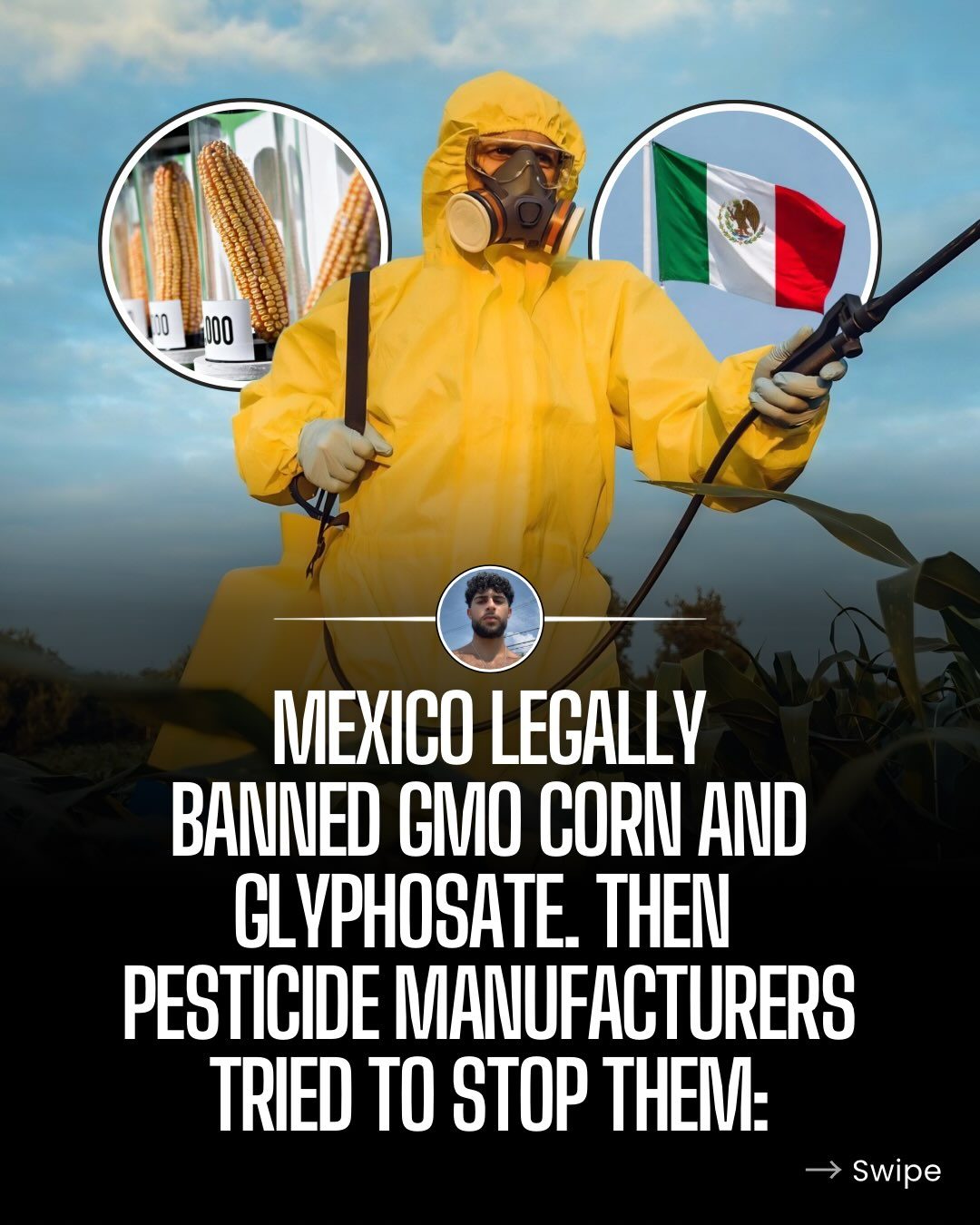
Mexico's GMO Corn Ban
In 2020, Mexico initiated a bold move to phase out genetically modified (GMO) corn for human food and glyphosate, a widely used herbicide. The goal was to protect staple foods like tortillas and masa, as well as to preserve native corn varieties. This decision marked a significant step in Mexico's efforts to assert food sovereignty and protect its agricultural heritage. However, the path to implementing this ban has been fraught with challenges, particularly from international pressure and trade agreements.
Why This Matters
The debate surrounding GMO corn and glyphosate in Mexico is not just about agricultural practices; it touches on broader issues of food security, biodiversity, and national sovereignty. Mexico's native corn varieties have been cultivated for thousands of years and are deeply rooted in the country's cultural and culinary traditions. The introduction of GMO corn and the use of glyphosate have raised concerns about the potential impact on these native varieties, as well as on human health and the environment.
The Journey to a GMO Corn Ban
Initial Ban and Industry Pushback
Mexico's initial announcement in 2020 to phase out GMO corn and glyphosate was met with immediate resistance. The U.S. and major chemical companies exerted significant pressure on Mexico to delay or abandon the plan. These companies argued that the ban would disrupt trade and harm the agricultural industry. Despite this pressure, Mexico moved forward with its plans, citing the importance of protecting native corn and preserving biodiversity.
Constitutional Reforms
In 2024, Mexico took a significant step to bolster its stance on GMO corn and glyphosate. The country responded to the external pressure with a constitutional reform aimed at protecting biodiversity, agricultural heritage, and food sovereignty. This reform was a clear indication of Mexico's commitment to safeguarding its native corn varieties and ensuring that its agricultural practices align with its cultural and environmental goals.
Trade Agreement Challenges
In early 2025, a United States-Mexico-Canada Agreement (USMCA) panel ruled that Mexico's restrictions on GMO corn violated the trade agreement. This ruling posed a significant challenge to Mexico's efforts to implement its ban. However, Mexico showed its resilience and determination by amending its Constitution just months later. In March 2025, the country officially banned the cultivation of GMO corn and recognized native corn as a part of its national identity.
Practical Tips for Understanding the Issue
Stay Informed
The debate around GMO corn and glyphosate is complex and evolving. To stay informed, follow reliable news sources and scientific research. Understanding the scientific evidence and regulatory frameworks can provide a clearer picture of the issue.
Support Local Agriculture
One of the best ways to support Mexico's efforts to protect native corn is by supporting local agriculture. Purchasing locally grown, non-GMO corn products can help sustain traditional farming practices and preserve biodiversity.
Advocate for Policy Changes
If you are passionate about food sovereignty and environmental protection, consider getting involved in advocacy efforts. This could include supporting organizations that work to protect native corn varieties or advocating for policy changes that prioritize environmental and health concerns over corporate interests.
Important Takeaways
- Mexico's efforts to ban GMO corn and glyphosate are driven by a desire to protect native corn varieties and promote food sovereignty.
- The road to implementing this ban has been challenging, with significant pressure from the U.S. and chemical companies.
- Constitutional reforms and amendments have been crucial in Mexico's efforts to uphold its stance on GMO corn and glyphosate.
- The USMCA trade agreement has posed challenges to Mexico's ban, but the country has shown resilience in defending its agricultural heritage.
- Supporting local agriculture and advocating for policy changes can help sustain efforts to protect native corn varieties and promote food sovereignty.
Conclusion
Mexico's journey to ban GMO corn and glyphosate is a story of resilience and determination in the face of significant challenges. The country's efforts to protect its native corn varieties and promote food sovereignty are grounded in a deep commitment to its cultural and environmental heritage. By staying informed, supporting local agriculture, and advocating for policy changes, individuals can play a role in sustaining these efforts and promoting a more sustainable and culturally rich agricultural future.
Watch the Reel
Questions readers ask
What is the purpose of Mexico's GMO corn ban?
Mexico's GMO corn ban aims to safeguard native corn varieties and promote food sovereignty. The government is phasing out GMO corn for human consumption to protect staple foods and preserve Mexico's agricultural heritage.
Why is glyphosate being banned in Mexico?
Glyphosate, a widely used herbicide, is being banned to align with Mexico's goal of protecting native corn varieties and promoting sustainable agricultural practices.
What challenges has Mexico faced in implementing the GMO corn ban?
The implementation of the GMO corn ban has faced significant obstacles, including international pressure and opposition from industry stakeholders, as well as complexities arising from existing trade agreements.
What are the benefits of phasing out GMO corn for human consumption?
Phasing out GMO corn for human consumption helps preserve Mexico's native corn varieties, promotes biodiversity, and supports food sovereignty by ensuring that traditional foods like tortillas and masa remain untainted by GMOs.
What is the timeline for Mexico's GMO corn phase out?
Mexico has set a goal to complete the phase out of GMO corn for human consumption by 2025. This gradual process allows for the transition to alternative crops and practices that support sustainable agriculture and food sovereignty.
How does the GMO corn ban impact international trade agreements?
The GMO corn ban has sparked debates and potential conflicts with international trade agreements, as Mexico seeks to balance its domestic agricultural reforms with its commitments to global trade partners. This has led to negotiations and adjustments in trade policies.
Related deep dives
Similar reads based on topic and creator.


Recent articles
Fresh deep dives from the latest Reels we unpacked.




Comments
Be the first to comment.