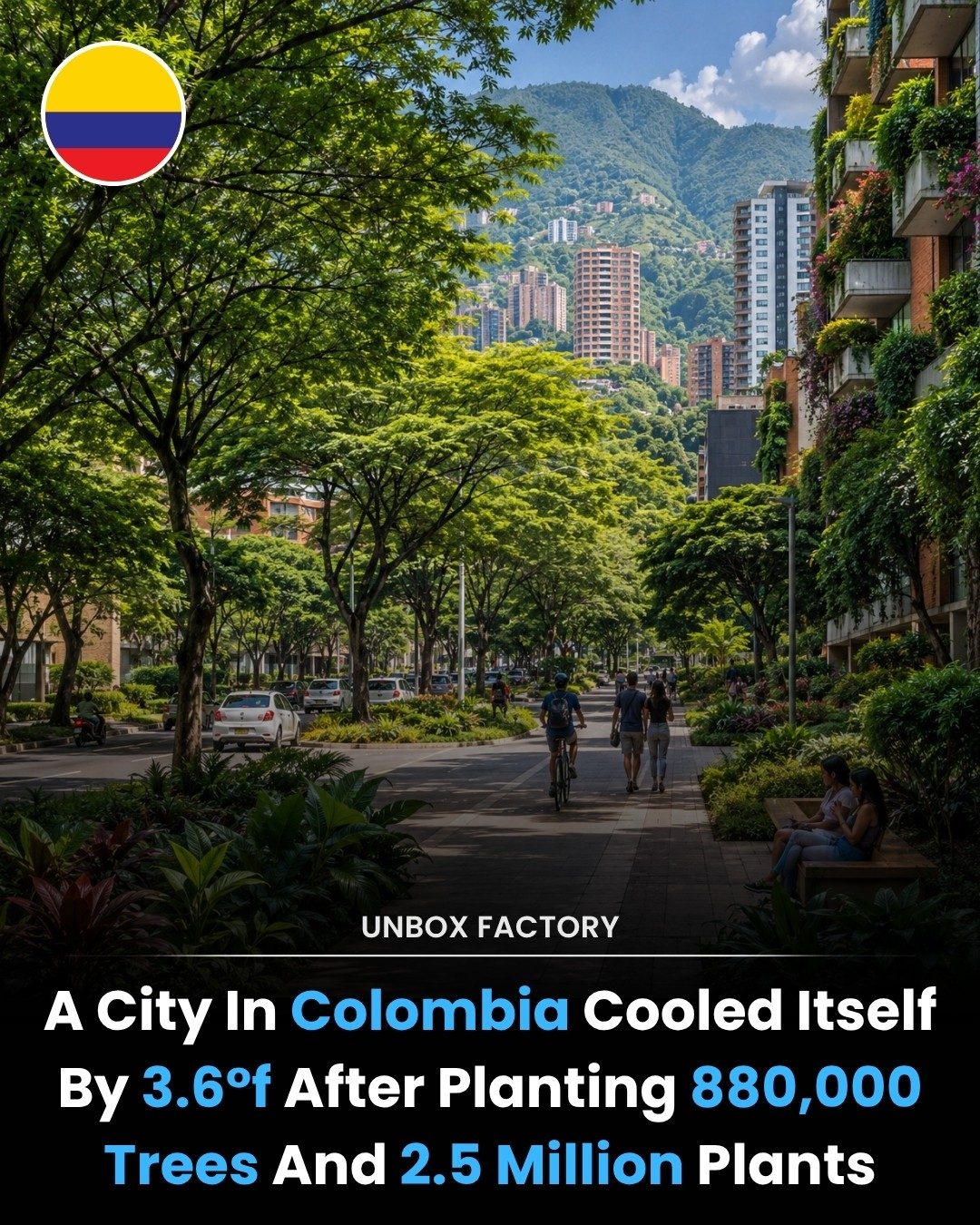
Medellín's Green Corridors: A Model for Urban Reforestation
Medellín, a city in Colombia, has become a beacon of environmental transformation through its innovative Green Corridors program. This initiative, recognized internationally, involved planting approximately 880,000 trees and 2.5 million shrubs and plants along roads, rivers, parks, and public spaces. The project not only cooled the city by up to 3.6°F (2°C) but also significantly improved biodiversity, air quality, and public health. Medellín's success story offers valuable insights into urban reforestation and its benefits.
Why this matters
Urban areas often face challenges related to air pollution, heat island effects, and reduced green spaces. Medellín's Green Corridors program addresses these issues by integrating nature into the urban landscape. The city's efforts to plant trees and shrubs have led to tangible benefits, making it a model for sustainable urban planning worldwide.
The Impact of Urban Reforestation
Cooling Effects
One of the most notable achievements of Medellín's Green Corridors program is the reduction in urban temperatures. By planting 880,000 trees and 2.5 million plants, the city cooled itself by up to 3.6°F (2°C). This cooling effect is crucial for mitigating the urban heat island phenomenon, where cities are significantly warmer than their rural surroundings due to human activities and the built environment.
Improving Air Quality
Trees and plants act as natural filters, absorbing pollutants and releasing oxygen. The extensive planting in Medellín has significantly improved air quality, contributing to better public health. Cleaner air reduces respiratory diseases and enhances the overall well-being of residents.
Enhancing Biodiversity
Urban reforestation efforts not only benefit humans but also support local ecosystems. The green corridors in Medellín have created habitats for various plant and animal species, increasing biodiversity within the city. This ecological diversity is vital for maintaining a balanced ecosystem and promoting sustainability.
Stormwater Management
The green corridors also play a critical role in stormwater management. Trees and plants help absorb rainfall, reducing the risk of flooding and soil erosion. This natural approach to water management is more sustainable and cost-effective than traditional methods like concrete channels and drainage systems.
Creating Green Corridors
Planning and Implementation
The success of Medellín's Green Corridors program can be attributed to meticulous planning and execution. The city created more than 30 green corridors covering dozens of kilometers. These corridors are strategically placed along roads, rivers, and public spaces, ensuring maximum impact on urban cooling, air quality, and biodiversity.
Public Engagement
Engaging the community is essential for the success of any urban reforestation project. Medellín involved local residents in planting and maintaining the green corridors, fostering a sense of ownership and responsibility. This community participation ensures the sustainability of the project and builds a culture of environmental stewardship.
Practical Tips for Urban Reforestation
Choosing the Right Plants
Selecting the right species of trees and plants is crucial for the success of urban reforestation. Plants that are native to the region and can thrive in urban conditions are ideal. These plants are more resilient and require less maintenance, making them suitable for urban environments.
Strategic Planting
Planting trees and shrubs in strategic locations can maximize their benefits. Green corridors along roads, rivers, and parks provide shade, improve air quality, and enhance the aesthetic appeal of the city. These corridors also serve as green buffers, reducing noise pollution and providing recreational spaces for residents.
Maintaining Green Spaces
Regular maintenance is essential for the health and longevity of urban green spaces. Pruning, watering, and pest control measures ensure that trees and plants remain healthy and continue to provide their benefits. Community involvement in maintenance activities can foster a sense of responsibility and ownership among residents.
Important Takeaways
Medellín's Green Corridors program offers valuable lessons for cities aiming to integrate nature into their urban landscapes. The benefits of urban reforestation are manifold, including cooling effects, improved air quality, enhanced biodiversity, and better stormwater management. By strategically planting trees and shrubs, cities can create sustainable and resilient environments that benefit both humans and the ecosystem.
Conclusion
Medellín's success in urban reforestation serves as a global model for sustainable city design. The Green Corridors program has not only transformed the city's landscape but also improved the quality of life for its residents. By adopting similar strategies, other cities can achieve similar benefits, creating greener, healthier, and more sustainable urban environments.
Watch the Reel
Questions readers ask
How many trees and shrubs were planted in Medellín's Green Corridors initiative?
The Green Corridors initiative in Medellín involved the planting of approximately 880,000 trees and 2.5 million shrubs and plants. These were strategically placed along various urban landscapes, including roads, rivers, parks, and public spaces.
What is the significance of the temperature reduction achieved by Medellín's Green Corridors?
The temperature reduction of up to 3.6°F (2°C) in Medellín is significant because it helps mitigate the urban heat island effect, where cities are typically warmer than their rural surroundings due to human activities and the lack of vegetation. This cooling effect also contributes to improved public health and comfort for residents.
How did Medellín's Green Corridors initiative improve air quality and biodiversity?
The Green Corridors initiative in Medellín improved air quality by increasing the number of trees and plants, which absorb pollutants and release oxygen. The extensive planting also enhanced biodiversity by creating habitats for various species, thereby supporting local ecosystems. This green infrastructure has led to a noticeable improvement in the city's environmental health.
What makes Medellín's Green Corridors a model for sustainable urban planning?
Medellín's Green Corridors serves as a model for sustainable urban planning due to its holistic approach to integrating green spaces into urban infrastructure. The initiative demonstrates how urban reforestation can effectively reduce temperatures, improve air quality, and enhance biodiversity. This makes it a valuable example for other cities aiming to implement similar programs.
What are the benefits of urban reforestation as demonstrated by Medellín's Green Corridors?
Urban reforestation, as demonstrated by Medellín's Green Corridors, offers numerous benefits. These include cooling urban temperatures, improving air quality, enhancing biodiversity, and providing public health benefits. Additionally, green corridors contribute to the aesthetic appeal of urban areas and can support local economies through ecotourism and related activities.
What are the key challenges Medellín faced before implementing the Green Corridors initiative?
Before implementing the Green Corridors initiative, Medellín faced several challenges, including air pollution, the urban heat island effect, and the reduction of green spaces due to urbanization. These issues negatively impacted the quality of life for residents and posed significant environmental concerns for the city.
How has Medellín's Green Corridors initiative influenced urban planning strategies worldwide?
Medellín's Green Corridors initiative has influenced urban planning strategies worldwide by showcasing the feasibility and benefits of large-scale urban reforestation projects. Cities around the world have taken inspiration from Medellín's approach, adopting similar strategies to address their own environmental challenges. This has led to a growing interest in urban greening and reforestation efforts globally.
Related deep dives
Similar reads based on topic and creator.




Recent articles
Fresh deep dives from the latest Reels we unpacked.




Comments
Be the first to comment.