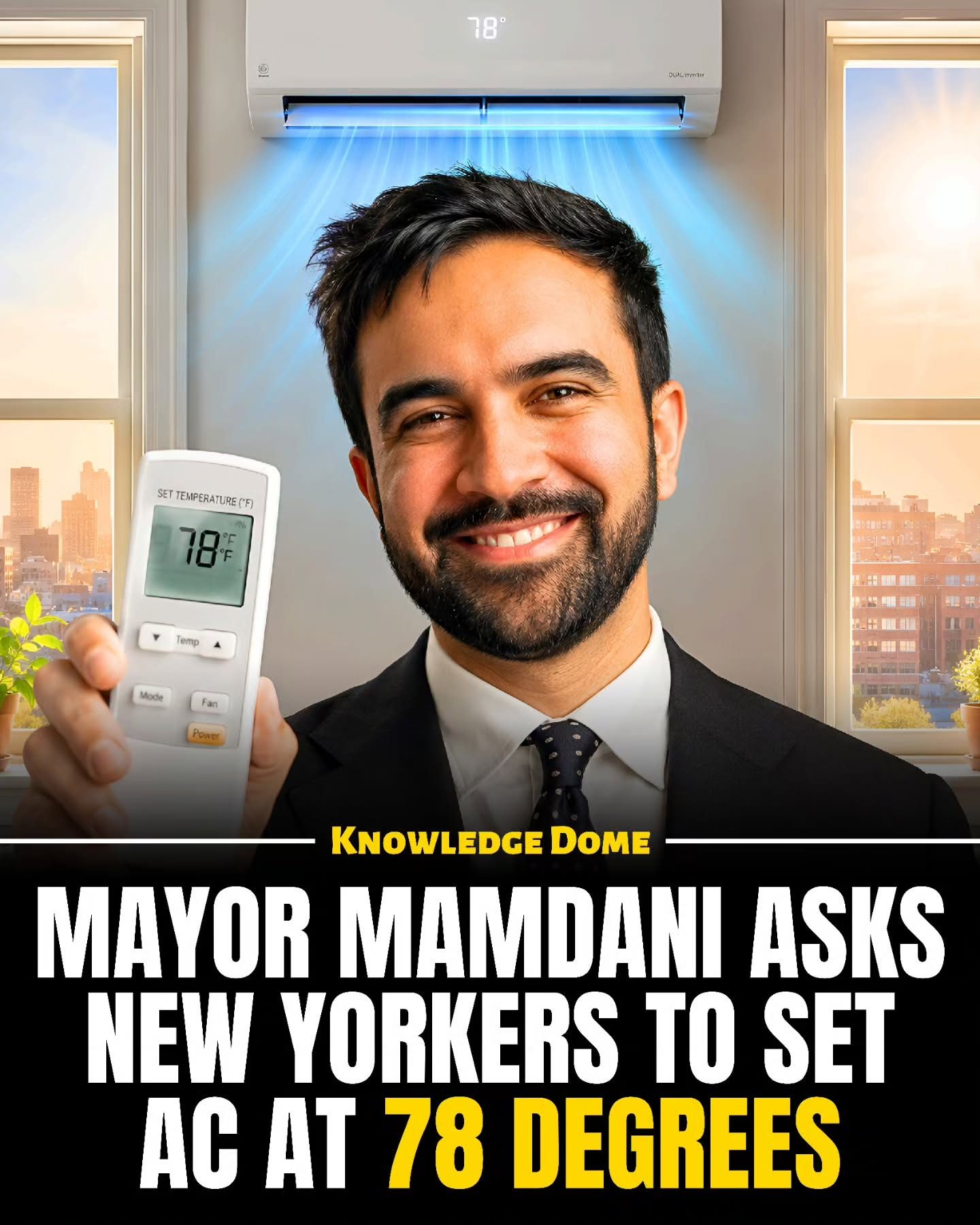
Setting Your Air Conditioner to 78°F: Why It Matters and How to Do It
During extreme heat waves, managing indoor temperatures effectively becomes crucial. This is especially true in densely populated cities like New York, where the power grid can become strained under the load of numerous air conditioners running at full blast. Mayor Zohran Mamdani's recent advice to set air conditioners to 78°F aims to mitigate this issue by encouraging energy conservation and grid stability.
Context
Heat waves are a significant concern for urban areas. When temperatures soar past 100°F and humidity makes the heat feel even more intense, the demand for air conditioning spikes. This increased usage can overwhelm the power grid, leading to potential blackouts and other disruptions.
Setting air conditioners to 78°F is a simple yet effective strategy to alleviate some of this strain. By raising the thermostat just a few degrees, residents can significantly reduce their energy consumption. This not only helps stabilize the power grid but also lowers individual utility bills.
Main Discussion
The Science Behind 78°F
The temperature of 78°F is not arbitrary. It strikes a balance between comfort and energy efficiency. According to the U.S. Department of Energy, raising the thermostat by just 7-10°F for eight hours a day can save up to 10% on annual cooling costs. This small adjustment can make a big difference, especially during peak demand times.
The Role of Air Conditioners
Air conditioners are essential for maintaining comfortable living and working environments during hot weather. However, their energy consumption can be substantial. A typical air conditioner uses a significant amount of electricity, and during heat waves, the demand can surge dramatically. By setting the thermostat to 78°F, residents can ensure that their air conditioners are not running at their maximum capacity, thereby conserving energy.
The Psychological Impact
The idea of setting the air conditioner to 78°F garnered mixed reactions. Some people found the temperature too warm and complained about the discomfort. However, others understood the importance of energy conservation and the need to protect the city's power grid. The psychological impact of such advisories can be significant, influencing public behavior and attitudes toward energy use.
The Daikin Advantage
Daikin air conditioners, as showcased in the demonstration, offer advanced features that can help in managing energy consumption. These units often come with energy-saving modes, programmable thermostats, and smart controls that allow users to adjust settings remotely. Such features can make it easier to adhere to energy-saving recommendations without sacrificing comfort.
Cooling Centers and Community Support
In addition to setting air conditioners to 78°F, New York City also opened extra cooling spaces across the five boroughs. These cooling centers provide a refuge for those without adequate air conditioning or who are particularly vulnerable to heat, such as the elderly, children, and pets. The city's reminder to check on neighbors and loved ones highlights the importance of community support during extreme weather conditions.
Practical Tips
Adjusting Your Thermostat
If you have a programmable thermostat, set it to 78°F during the day and slightly lower it at night or when you are away from home. This can help save energy while maintaining a comfortable indoor environment.
Using Fans
Fans can help circulate cool air and make the room feel cooler. Consider using ceiling fans, portable fans, or even a small desk fan to enhance comfort without relying solely on air conditioning.
Sealing Windows and Doors
Ensure that your home is well-insulated. Seal any gaps around windows and doors to prevent hot air from entering and cool air from escaping. This can make your air conditioner more effective and reduce energy consumption.
Maintaining Your AC Unit
Regular maintenance of your air conditioner can improve its efficiency. Clean or replace filters regularly, and schedule professional maintenance at least once a year. A well-maintained unit will run more efficiently and consume less energy.
Smart Thermostats
Consider investing in a smart thermostat that allows you to control your air conditioner remotely. Many smart thermostats can learn your routines and adjust settings automatically to save energy.
Important Takeaways
Setting your air conditioner to 78°F is a practical and effective way to conserve energy during heat waves. This simple adjustment can help protect the power grid, reduce utility bills, and contribute to a more sustainable lifestyle. By combining this strategy with other energy-saving tips, you can stay comfortable while also doing your part to conserve resources.
Conclusion
Adapting to extreme heat requires a combination of personal actions and community support. Setting your air conditioner to 78°F, using fans, and taking advantage of cooling centers are all practical steps you can take to stay safe and comfortable. By understanding the importance of energy conservation and taking proactive measures, you can help ensure that your community remains resilient during heat waves.
Watch the Reel
Questions readers ask
Why did Mayor Zohran Mamdani propose the 78°F AC challenge?
Mayor Mamdani introduced the 78°F AC challenge to help New Yorkers conserve energy during intense heat waves. By setting air conditioners to 78°F, residents can reduce the strain on the city's power grid, which helps prevent blackouts and ensures a more stable energy supply.
How does setting my air conditioner to 78°F help during a heat wave?
By setting your air conditioner to 78°F, you reduce the overall energy consumption in your home. This collective reduction across many households helps stabilize the power grid, preventing it from becoming overwhelmed during peak usage times and lowering the risk of blackouts.
Will setting my air conditioner to 78°F significantly affect my energy bills?
Yes, setting your air conditioner to 78°F can help lower your energy bills. Air conditioners consume a significant amount of energy, and by raising the temperature slightly, you can reduce your power usage, leading to cost savings, especially during prolonged heat waves.
What are some additional tips for conserving energy during a New York heat wave?
In addition to setting your air conditioner to 78°F, consider using fans to circulate air, closing curtains during the day to block out heat, and avoiding the use of heat-generating appliances during peak hours. These practices can further reduce your energy consumption and support the stability of the power grid.
How does a heat wave affect the power grid in a densely populated city like New York?
During a heat wave, the demand for air conditioning in New York City can significantly increase, putting a heavy load on the power grid. If too many air conditioners are running at high capacity, the grid can struggle to meet the demand, leading to potential blackouts and disruptions in power supply.
What are the benefits of participating in the 78°F AC challenge?
Participating in the 78°F AC challenge offers several benefits, including contributing to grid stability, reducing the risk of blackouts, and lowering your energy bills. Additionally, it promotes a collective effort towards conserving energy and managing resources effectively during extreme weather conditions.
Related deep dives
Similar reads based on topic and creator.


Recent articles
Fresh deep dives from the latest Reels we unpacked.




Comments
Be the first to comment.