Ancient Mayan Dentistry
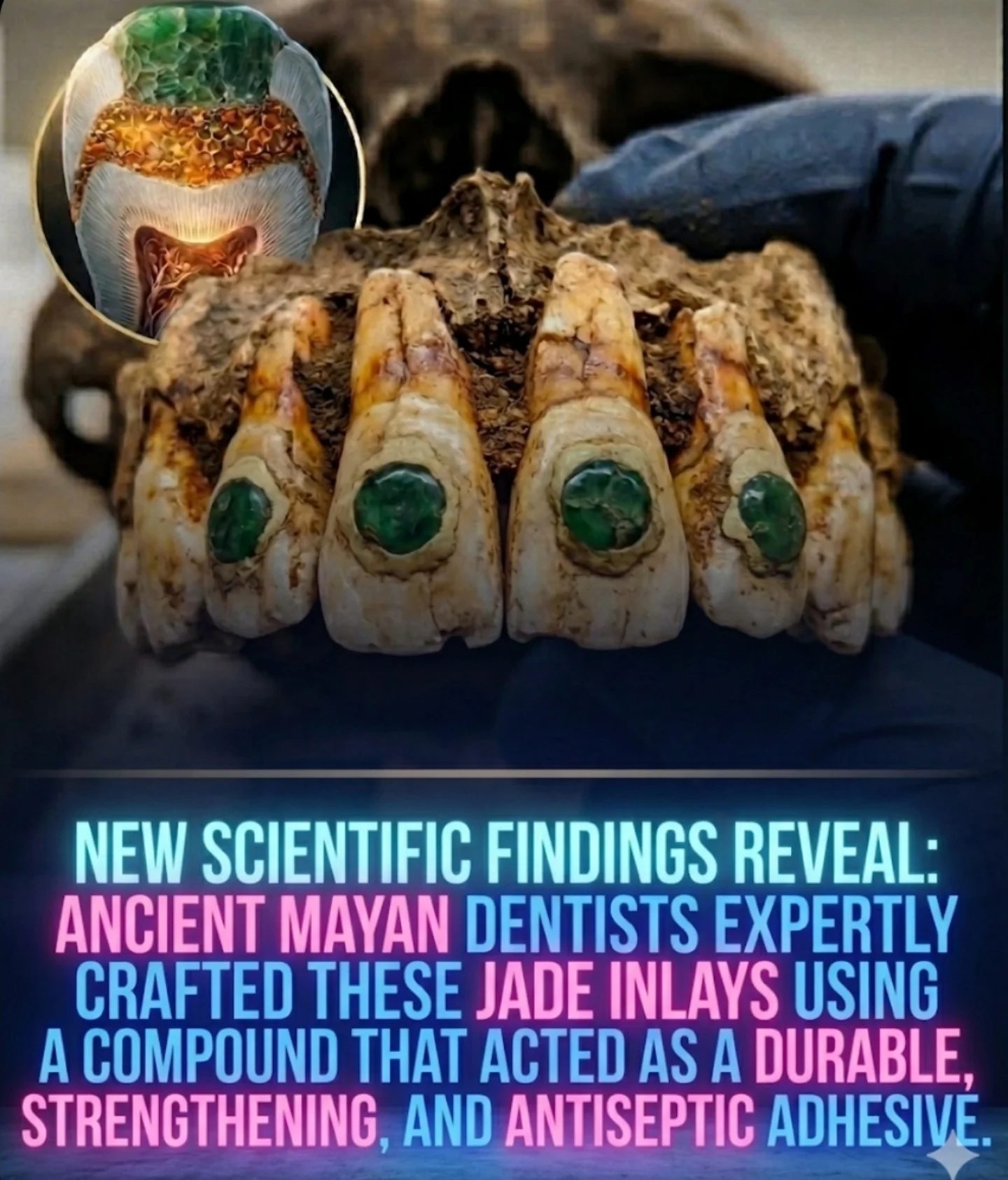
Ancient Mayan dentistry is a fascinating field of study that offers unique insights into the advanced dental practices and medicinal knowledge of the Mayan civilization. Dental modifications, such as inlaying jade and other precious stones into live teeth, were not only for aesthetic reasons but also held ritualistic significance.
Why this Matters
Understanding the dental practices of the ancient Mayans provides a deeper appreciation of their technological and medicinal advancements. Their ability to perform sophisticated dental modifications and maintain oral health for over a millennium highlights the sophistication of their society. This knowledge can also inspire modern dentistry by revealing the effectiveness of natural compounds and resins in dental procedures.
Main Discussion
Dental Modifications and Ritualistic Significance
The Mayan civilization is renowned for its intricate dental modifications, particularly the inlaying of jade and other precious stones into teeth. These inlays were meticulously crafted and embedded within the teeth, serving both aesthetic and ritualistic purposes. Jade, being a highly valued material, was often used for these inlays, symbolizing status, wealth, and cultural significance.
The Compound: Composition and Properties
One of the most remarkable aspects of Mayan dentistry is the use of a uniquely effective adhesive compound. This compound, made from various resins and essential oils, acted as a powerful adhesive, ensuring the durability and longevity of the inlays. Notably, the inclusion of pine resin gave the compound antiseptic and antimicrobial properties. This prevented secondary infections and inflammation, a testament to the advanced understanding of dental health and medicinal chemistry by the ancient Mayans.
Scientific Findings and Modern Discoveries
Recent bioarchaeological studies have provided new insights into the techniques and materials used by Mayan dentists. These studies confirm that the cement used to secure the inlays was remarkably durable, allowing many of these modifications to remain intact for over a thousand years. The compound's effectiveness in preventing infections and inflammation is a testament to the Mayans' sophisticated knowledge of medicinal chemistry.
Practical Tips
Dental Care and Natural Remedies
The Mayan approach to dental care, particularly the use of natural resins and essential oils, offers valuable insights for modern dental practices. Incorporating natural antiseptics and antimicrobials into dental procedures can enhance the effectiveness and safety of treatments. For example, pine resin, which was a key component in Mayan dental compounds, can be explored for its potential in modern dental adhesives and treatments.
Preventive Measures
The Mayans' use of antiseptic and antimicrobial compounds to prevent secondary infections and inflammation during and after dental procedures underscores the importance of preventive measures in dental care. Modern dentists can adopt similar approaches by focusing on the use of natural, antimicrobial substances to maintain oral health and prevent infections.
Important Takeaways
Technological and Medicinal Advancements
The Mayan dentists' expertise in creating durable, strengthening, and antiseptic adhesive compounds demonstrates their advanced understanding of dental health and medicinal chemistry. Their techniques and materials, though ancient, still offer valuable lessons for modern dentistry.
Cultural and Historical Significance
Dental modifications in Mayan society were more than just aesthetic enhancements; they held deep cultural and ritualistic significance. Understanding these practices provides a glimpse into the social and cultural aspects of Mayan life, highlighting the importance of dental health and appearance in their society.
Conclusion
Mayan dentistry stands as a testament to the advanced knowledge and skills of the ancient Mayan civilization. Their use of jade inlays and a unique adhesive compound showcases their understanding of dental health, medicinal chemistry, and preventive care. By exploring these ancient practices, we can gain valuable insights that continue to influence modern dentistry.
Watch the Reel
Questions readers ask
What types of materials did the Mayans use for dental inlays?
The Mayans primarily used jade, along with other precious stones, for dental inlays. These materials were chosen not only for their aesthetic appeal but also for their ritualistic significance in Mayan culture. The use of these materials indicates a deep understanding of both artistry and symbolism in dental modifications.
How did the Mayans adhere dental inlays to teeth?
The Mayans used a natural adhesive compound to secure dental inlays. This compound had antiseptic properties, which helped prevent infections and promote healing. The exact composition of this adhesive is still a subject of study, but its effectiveness highlights the Mayans' advanced knowledge of dental procedures and materials.
What was the significance of dental modifications in Mayan culture?
Dental modifications, such as inlaying jade, held significant ritualistic and symbolic meaning in Mayan society. These practices were not merely for aesthetic purposes but were deeply intertwined with cultural beliefs and social status. The intricate dental modifications reflect the Mayans' sophisticated understanding of both dental health and cultural significance.
How did the Mayans ensure the durability of their dental inlays?
The durability of Mayan dental inlays can be attributed to the use of a strong, natural adhesive and the precision of their dental techniques. The antiseptic properties of the adhesive also helped maintain oral health, ensuring that the inlays remained secure and the teeth healthy over long periods. This combination of materials and techniques speaks to their advanced dental practices.
What can modern dentistry learn from ancient Mayan dental practices?
Modern dentistry can gain insights into the effectiveness of natural compounds and resins used as adhesives and their antiseptic properties. The Mayans' ability to perform complex dental modifications and maintain oral health over long periods also highlights the potential benefits of incorporating traditional and natural methods into contemporary dental practices. .
Were Mayan dental procedures painful?
While it is difficult to ascertain the exact level of discomfort experienced during Mayan dental procedures, the use of antiseptic adhesives suggests that the Mayans had a basic understanding of pain management and infection control. The precision and success of their dental modifications indicate that they likely employed techniques to minimize pain and ensure the well-being of their patients.
Are there any visual records of Mayan dental procedures?
There are few direct visual records of Mayan dental procedures, but archaeological findings, such as artifacts and skeletal remains, provide valuable insights. These findings, along with interpretations of Mayan art and iconography, help researchers reconstruct the techniques and tools used in Mayan dentistry. For a more detailed understanding, you can explore Mayan dental findings and related artifacts.
Related deep dives
Similar reads based on topic and creator.


Recent articles
Fresh deep dives from the latest Reels we unpacked.




Comments
Be the first to comment.