The Extraordinary World of a Century-Old Bee Aggregation
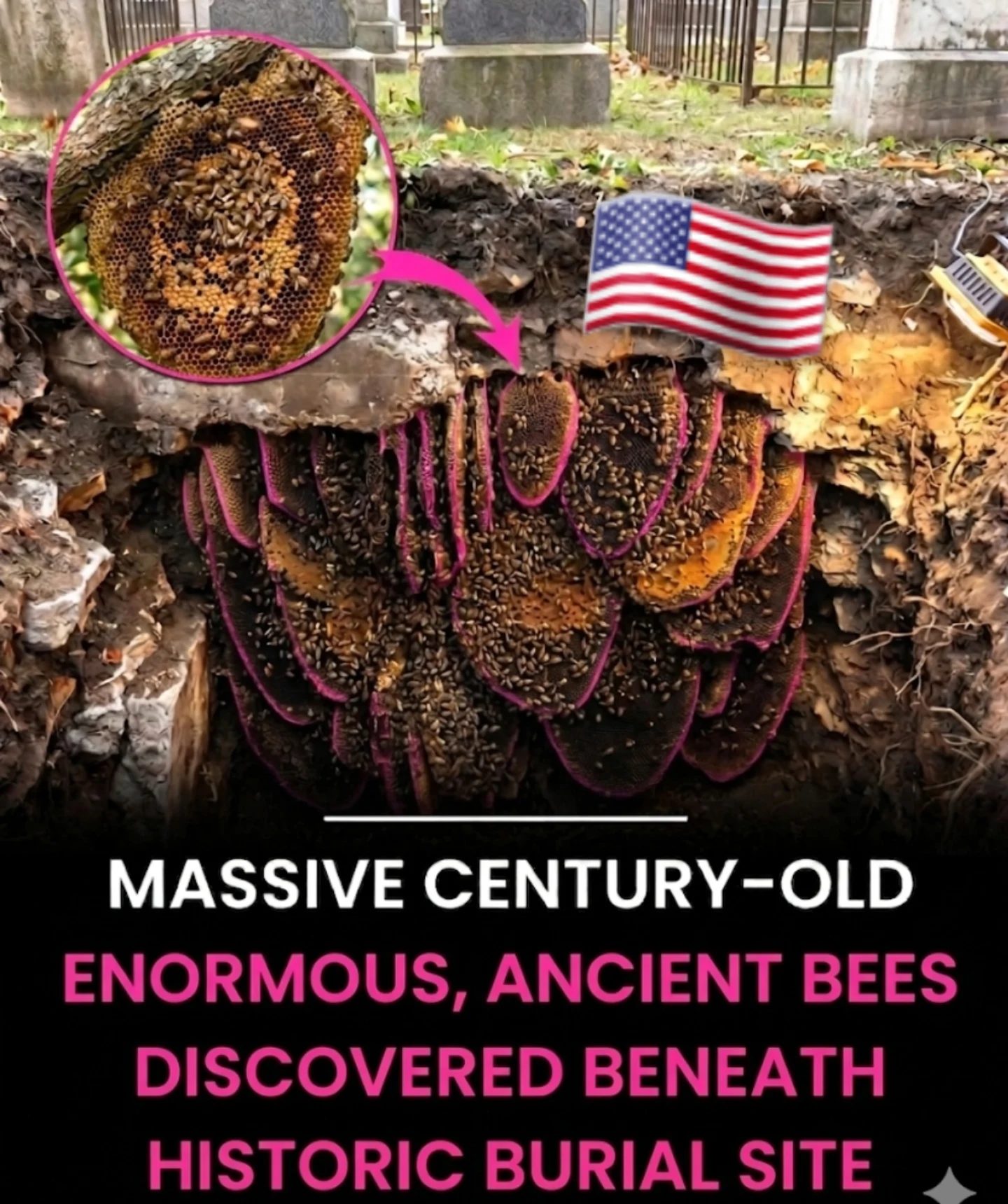
Beneath the East Lawn Cemetery in Ithaca, New York, lies a natural wonder: a massive, ancient aggregation of approximately 5.5 million bees. This subterranean colony, documented by Cornell University researchers and published in the journal Apidologie, is one of the largest wild bee aggregations ever recorded. The population spans roughly 1.5 acres, equivalent to more than 200 standard honeybee hives.
Why This Matters
This discovery is significant for several reasons. It highlights the importance of preserving natural habitats, even in urban and suburban areas, and underscores the ecological role of native pollinators. The bees in question are Andrena regularis, or the "regular mining bee," a species that plays a crucial role in local ecosystems.
The Unique Nature of the Bee Aggregation
The Regular Mining Bee
Unlike social bees like honeybees or bumblebees, which live in colonies with a strict caste system, Andrena regularis are solitary bees. Each female bee acts independently, excavating her own private subterranean burrow. These burrows are provisioned with pollen and nectar to sustain her offspring. This behavior is a stark contrast to the communal living seen in many other bee species, making the regular mining bee's lifestyle particularly fascinating.
The Historic Site
The East Lawn Cemetery in Ithaca, New York, has been the home to this century-old aggregation. The cemetery's sandy soil, minimal disturbance, and absence of pesticide use have created an ideal environment for these bees to thrive. The aggregation has been flourishing at the site since at least the early 1900s, showcasing the resilience and adaptability of these insects.
The Role of Native Pollinators
Ecological Significance
The regular mining bee plays a vital ecological role. As a native pollinator, it supports both local wild vegetation and regional agricultural assets, such as the nearby Cornell University apple orchards. Pollination is a crucial process in the ecosystem, facilitating the reproduction of many plant species and contributing to the overall health of the environment.
Supporting Local Agriculture
In the case of the Cornell University apple orchards, the presence of these bees ensures the pollination of apple trees, which in turn supports the local agricultural economy. The bees' role in pollination underscores the importance of preserving natural habitats that support such species.
The Challenge of Urbanization
With the increasing urbanization and development of land, natural habitats for many species, including bees, are at risk. The East Lawn Cemetery example highlights the potential for urban areas to coexist with natural habitats, provided that the right conditions are maintained. This coexistence is crucial for the survival of many species and the health of local ecosystems.
Practical Tips for Supporting Native Pollinators
Creating Bee-Friendly Gardens
One of the best ways to support native pollinators is by creating bee-friendly gardens. Planting native flowers that provide pollen and nectar can attract bees and other pollinators to your garden. Avoiding the use of pesticides and herbicides can also help maintain a healthy environment for these beneficial insects.
Preserving Natural Habitats
Preserving natural habitats, such as the East Lawn Cemetery, is essential for the survival of species like the regular mining bee. Efforts to protect and maintain these habitats can ensure that such species continue to thrive. This can involve advocating for conservation efforts, participating in local clean-up initiatives, and promoting awareness about the importance of these habitats.
Educational Outreach
Educating the public about the importance of native pollinators and their role in the ecosystem can foster a greater appreciation for these insects. Sharing information about the regular mining bee and its unique lifestyle can inspire others to take an interest in supporting these vital species.
Important Takeaways
The discovery of the massive, ancient beehive beneath the East Lawn Cemetery in Ithaca, New York, offers valuable insights into the world of native pollinators and the importance of preserving natural habitats. The regular mining bee's unique behavior and ecological significance underscore the need for conservation efforts to maintain healthy ecosystems.
Understanding the role of native pollinators in supporting local vegetation and agriculture is crucial for fostering a greater appreciation for these insects. By creating bee-friendly environments and promoting awareness, individuals can contribute to the preservation of these vital species.
Conclusion
The century-old bee aggregation beneath the East Lawn Cemetery serves as a testament to the resilience and adaptability of the regular mining bee. This discovery highlights the importance of preserving natural habitats and supporting native pollinators. By understanding the unique behavior and ecological significance of these bees, we can foster a greater appreciation for their role in the ecosystem and take steps to ensure their continued survival.
Watch the Reel
Questions readers ask
Why is the bee colony in the Ithaca cemetery considered massive?
The bee colony in the Ithaca cemetery is considered massive because it consists of approximately 5.5 million bees. This is a significant number, equating to the size of over 200 standard honeybee hives, all residing in a relatively small 1.5-acre area beneath the East Lawn Cemetery.
What type of bees make up the large colony found in the Ithaca cemetery?
The large colony in the Ithaca cemetery is composed of *Andrena regularis*, also known as the regular mining bee. These are solitary mining bees, unlike honeybees, which live in large, social colonies. The discovery is not only notable for its size but also for its longevity, with the colony having been present since at least the 1900s.
How does the discovery of the Ithaca bee colony contribute to urban ecology?
The discovery of the Ithaca bee colony highlights the importance of preserving natural habitats in urban and suburban areas. Urban environments can offer suitable habitats for various species, including pollinators essential for ecosystems. This discovery underscores that even in developed regions, crucial ecological roles can be played by native pollinators.
How did researchers discover the massive bee colony in the Ithaca cemetery?
Researchers from Cornell University first discovered the massive bee colony. They documented the aggregation, the largest wild bee aggregation ever recorded, and published a detailed study of the colony in the journal *Apidologie.* The discovery emphasizes the importance of continued research and documentation of native bee species.
What are the implications of finding such a large bee aggregation in a cemetery?
The discovery of a large bee aggregation in a cemetery underscores the importance of preserving natural habitats in unexpected places. This shows that even areas designated for human burial can maintain critical ecosystems. The findings also stress the need for more awareness about the ecological significance of native pollinators and the benefits they can bring to local ecosystems.
Related deep dives
Similar reads based on topic and creator.




Recent articles
Fresh deep dives from the latest Reels we unpacked.




Comments
Be the first to comment.