Polar Bear Encounters
Polar bears are majestic creatures that captivate the imagination, and encountering them in the wild is an experience that will surely remain with you for a lifetime. These bears are known for their impressive size and strength, as well as their distinctive white fur, which provides excellent camouflage in their icy habitats. Understanding the dynamics of a polar bear encounter is crucial for anyone venturing into their territory, especially in the Arctic regions.
Context
Polar bears are found primarily in the Arctic Circle, inhabiting the sea ice, tundra, and open water. These regions provide the perfect hunting grounds for polar bears, who mainly feed on seals. Their diet also includes fish, birds, and occasionally carrion. Polar bears are powerful predators, and their encounters with humans, although rare, can be dangerous.
The Encounter
The Polar Bear's Habitat
Polar bears are uniquely adapted to survive in the harsh Arctic environment. Their dense fur provides insulation, and their large, slightly webbed feet help them swim efficiently. Encounters with polar bears typically occur in areas with sea ice, which they use as a platform for hunting seals.
Encounter Dynamics
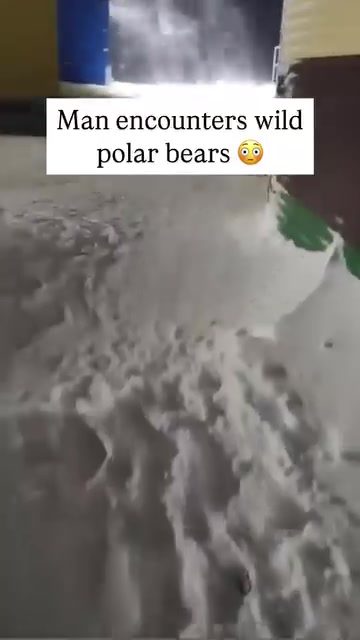
When a man has a close encounter with a polar bear, as seen in the visual summary, it's essential to understand the bear's behavior. Polar bears are curious and may approach humans out of curiosity or hunger. In such cases, it's crucial to remain calm and avoid sudden movements. The key is to make yourself look bigger and more intimidating. Waving your arms and making loud noises can sometimes deter an aggressive bear.
Safety Measures
If an encounter with a polar bear is unavoidable, having the right gear and knowledge can be a lifesaver. Carry bear spray, which is a powerful deterrent, and know how to use it effectively. Always travel in groups and keep a safe distance from any polar bears you encounter. Remember, respecting their space is paramount to a safe and enjoyable experience.
Practical Tips
Stay Calm and Assess the Situation
The first rule of any wildlife encounter, including polar bears, is to stay calm. Panicking can provoke the bear and escalate the situation. Assess the bear's behavior to determine if it's curious, hungry, or threatened.
Make Noise and Appear Larger
Polar bears are often attracted by silence and may approach to investigate. Make noise by clapping your hands, shouting, or using noisemakers. If you have a group, stand together and raise your arms to appear larger and more intimidating.
Use Bear Spray
Bear spray is an effective deterrent. It creates a cloud of irritant that can temporarily blind the bear and give you time to escape. Always carry bear spray and know how to use it. Practice deploying it in a controlled environment to be prepared if the need arises.
Travel in Groups
Polar bears are more likely to avoid large groups of people. Traveling in groups increases your safety and reduces the likelihood of a close encounter. Stay together and keep an eye out for any bear activity.
Important Takeaways
Encounters with polar bears are exhilarating but require preparation and knowledge. Always respect their space and follow safety guidelines. Carry bear spray, travel in groups, and stay calm and aware. By understanding their behavior and habits, you can enjoy a safe and memorable experience in the Arctic.
Conclusion
Polar bears are magnificent creatures that command respect and admiration. Encountering them in the wild is a thrilling experience, but it's essential to be prepared. By staying calm, making noise, and using bear spray, you can ensure a safe and enjoyable encounter. Always respect the bear's habitat and follow safety guidelines to protect both yourself and the wildlife.
Watch the Reel
Questions readers ask
What should I do if I encounter a polar bear in the wild?
If you encounter a polar bear, remain calm and do not run. Make yourself look bigger by raising your arms or holding up a jacket. Back away slowly while facing the bear, and prepare to use bear spray if necessary. Stay in a group and make noise to alert the bear to your presence.
How can I prevent a polar bear attack while exploring the Arctic?
To prevent a polar bear attack, always travel in groups, make noise to alert bears to your presence, and carry bear spray. Avoid areas with fresh polar bear signs, such as tracks or dens. Never approach or feed polar bears, and store food and garbage securely.
What should I do if a polar bear approaches my campsite?
If a polar bear approaches your campsite, do not run or retaliate. Make noise, set off flares, and prepare to use bear spray, but do not attempt to scare it off. Call local authorities or park rangers for assistance. Ensure that food and garbage are stored securely and away from your tent.
What is the best way to store food and garbage during my Arctic adventure to avoid polar bear encounters?
Store food and garbage in bear-resistant containers or hang them from a tree, out of reach from polar bears. Keep a clean campsite, and never leave food or garbage unattended. Cook and eat away from your tent, and dispose of waste properly to avoid attracting polar bears.
What should I do if I am attacked by a polar bear?
If a polar bear attacks, fight back aggressively using any object available. Aim for the bear's face and muzzle. Try to stay on your feet and do not play dead, as this could encourage the bear to attack further. Seek immediate medical attention if injured. Call for help immediately if you are in the wilderness.
Related deep dives
Similar reads based on topic and creator.




Recent articles
Fresh deep dives from the latest Reels we unpacked.




Comments
Be the first to comment.